Standing Where It Happened
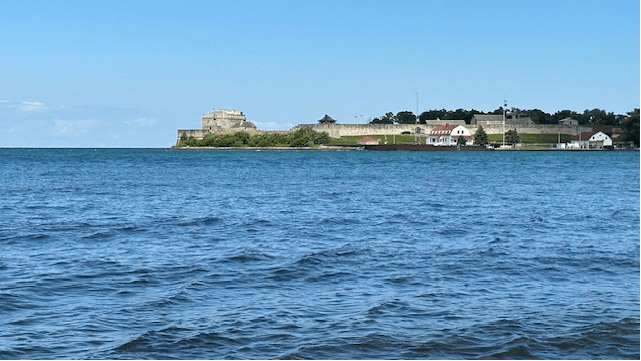
I always meant this series to have three parts. But in mid‑August 2024, I found myself standing on the shoreline in Niagara-on-the-Lake, looking across the mouth of the Niagara River at Old Fort Niagara. From where I stood, the fort looked quiet, almost serene. The water lapped gently at the shore, and the red roofs and stone walls seemed frozen in time.
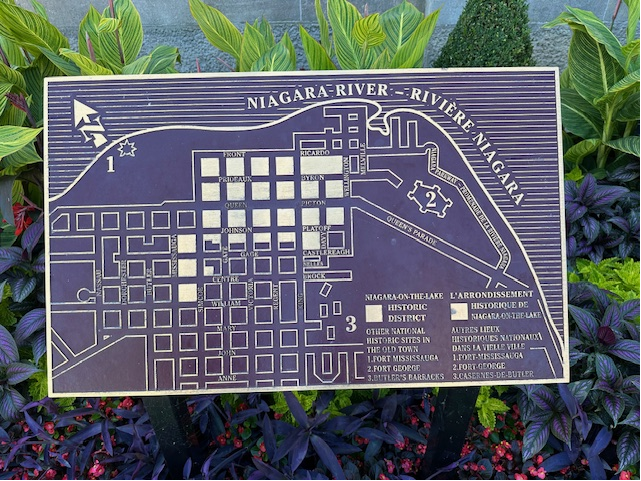
And yet, I knew that centuries ago, this place had been anything but peaceful. It was alive with tension, with fear, and with courage. It was a British stronghold, a refuge for Loyalists fleeing rebel territories, and a launching point for frontier campaigns that shaped North America.
From that shore — just about a kilometre from the fort — history felt close enough to touch.
I imagined my ancestors here, walking these same trails, standing at these same riverbanks. Edward Hicks Sr., my 6× great-grandfather, served here in Butler’s Rangers, along with his sons Benjamin Hicks and Edward Hicks Jr., my 5× great-granduncle, famously known as “The Spy.” And later, Joseph Hicks, my direct 5× great-grandfather, would cross these same waters to settle in Upper Canada as a United Empire Loyalist.
Who Was There, and When?
Butler’s Rangers were headquartered at Fort Niagara, patrolling northern New York and Pennsylvania. They were constantly on the move, conducting raids, scouting, and carrying messages across a dangerous, unsettled frontier. This was no distant history; these were my family.
- Edward Hicks Sr. (1736–1778) — stationed at Fort Niagara from late 1777, deeply involved in operations along the frontier.
- Benjamin Hicks — served beside his father and brother, moving across the same waters I now stood by.
- Edward Hicks Jr. (1761–1832) — captured by Patriot forces, imprisoned, escaped, and returned to British lines; later settled in Marysburgh, Prince Edward County, Upper Canada.
- Joseph Hicks (1767–1815) — received land as a United Empire Loyalist and helped build the early Loyalist community in Ontario.
I closed my eyes and tried to picture them: Edward Sr. pacing the earthworks, Benjamin carrying messages, Edward Jr. crouched in the woods, waiting for the chance to escape, Joseph looking toward a future he had yet to claim.
Old Fort Niagara had already stood for decades when the American Revolution began:
- A French trading post and military site, built to control the fur trade in the Great Lakes.
- A British frontier garrison, holding the northern border during a continent-wide war.
- A Loyalist hub, where Butler’s Rangers launched their operations and where refugees like my family gathered before resettling in Upper Canada.
Walking in Their Footsteps
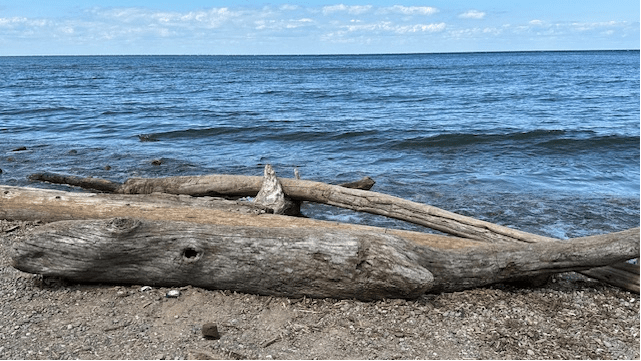
Sitting there on the shoreline of Queen’s Royal Park Beach, I could almost feel the pulse of that past. Supplies and dispatches moved along the river; men hid in the woods; families waited anxiously for news. Edward Jr.’s daring escape probably ended just on the other side of that water. My kin were not spectators. They were surviving, navigating loyalties, making impossible choices, and carving a path forward in a dangerous world. I imagined Edward Sr. and his sons walking these trails in 1777, carrying messages, courage, and the weight of their choices.
Standing there, history wasn’t just in archives or old documents. It was in the stone walls, the river’s edge, the gentle slope of the shore. It was alive. It was my family.
Reflections
Visiting Niagara-on-the-Lake was a moment of connection with my ancestors, with the Loyalist struggle, and with the landscape that shaped them. It reminded me that history isn’t just dates and events. Its footsteps on the shore. Its heart is beating with fear and hope. And it’s the places that survive long after the people have moved on.
As I turned to leave, I looked back at the fort one last time. Somewhere between the quiet water and the weathered stone on the other side, I felt my family’s presence — standing where they had walked, surviving where they had struggled, and building the lives that would one day lead to me.
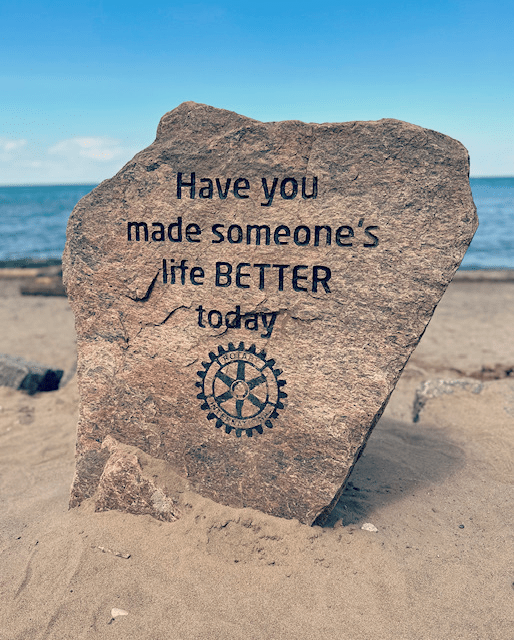
And I saw this carved into a stone at the beach …

 My Tiny World Corner
Leave a comment