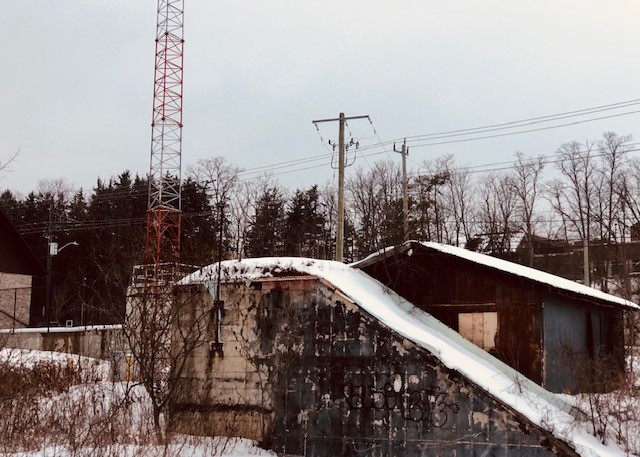
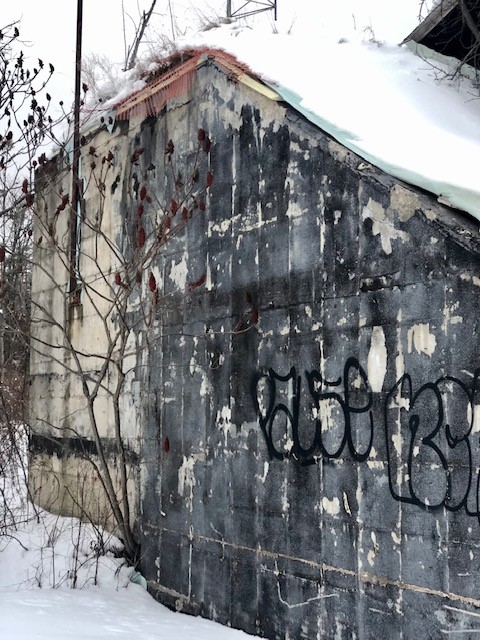
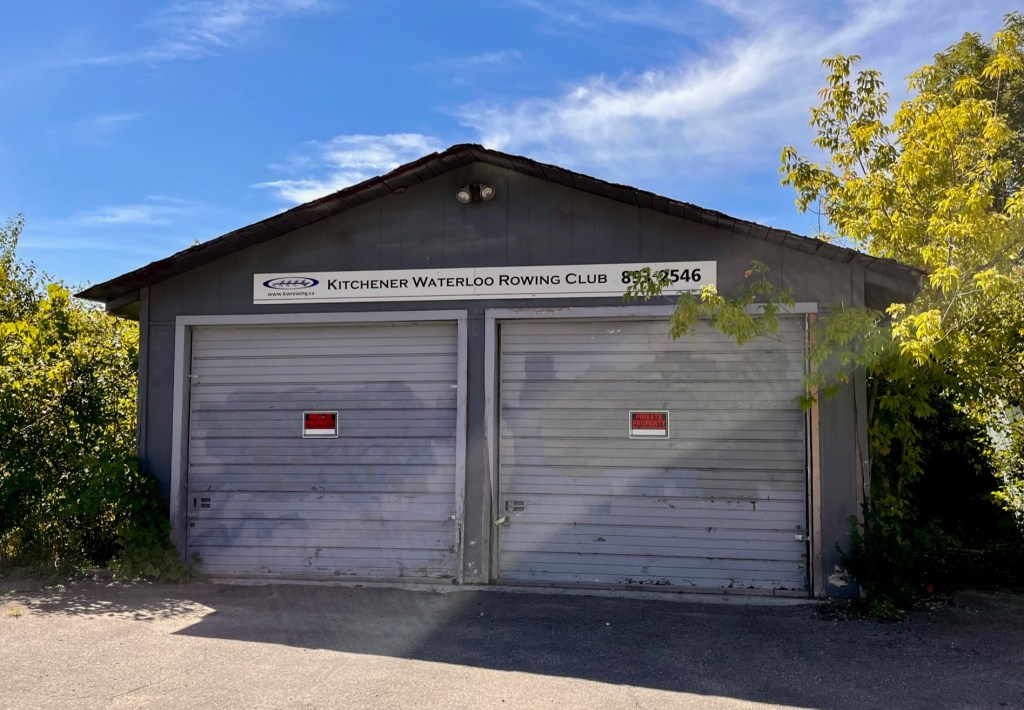
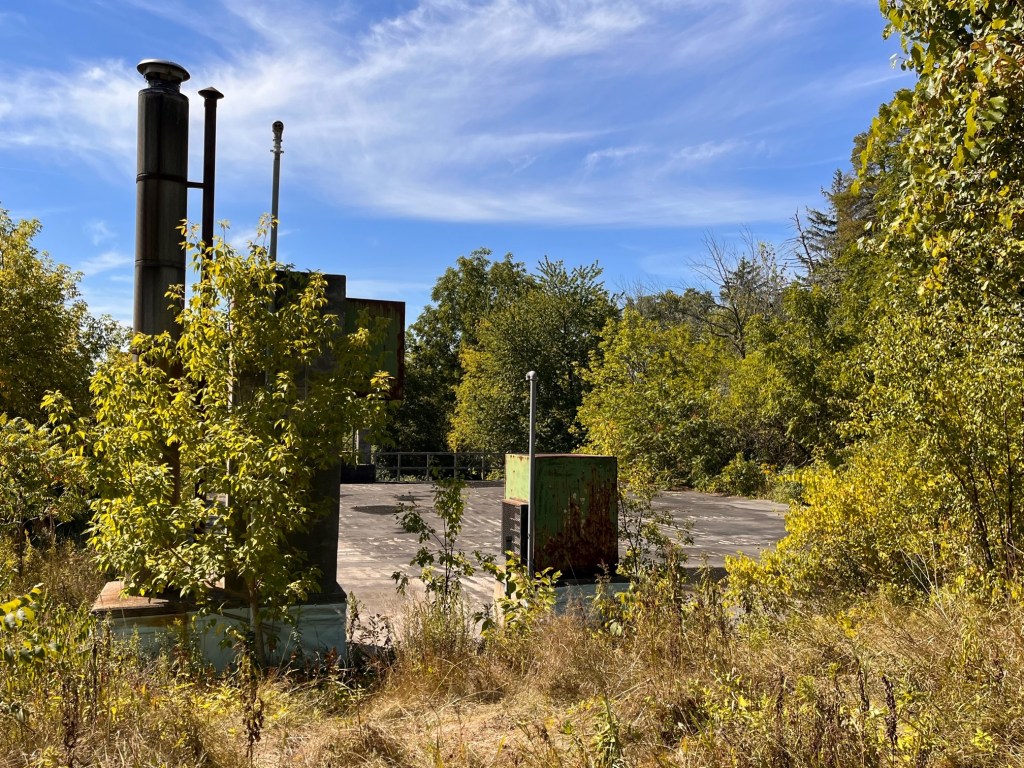
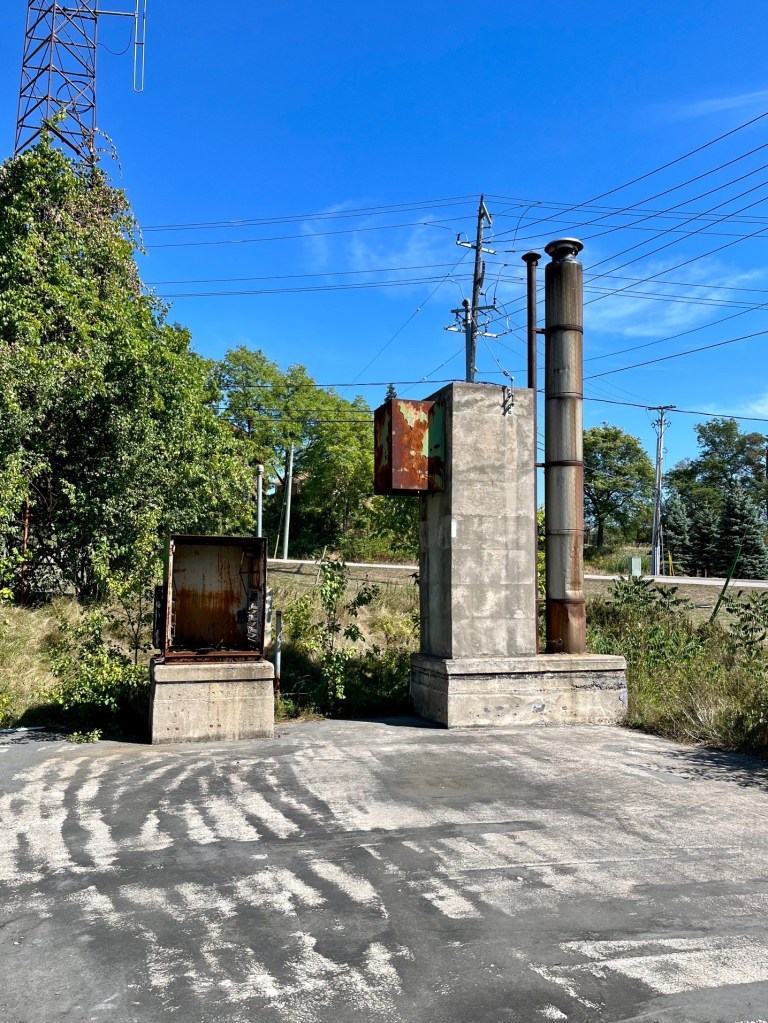
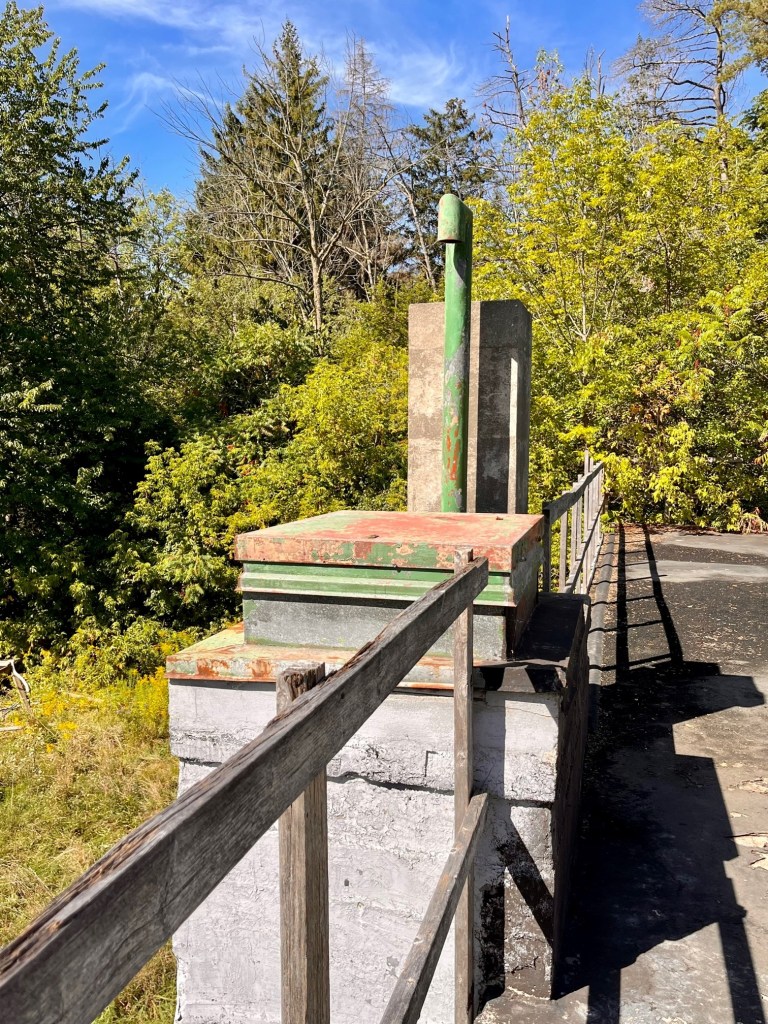
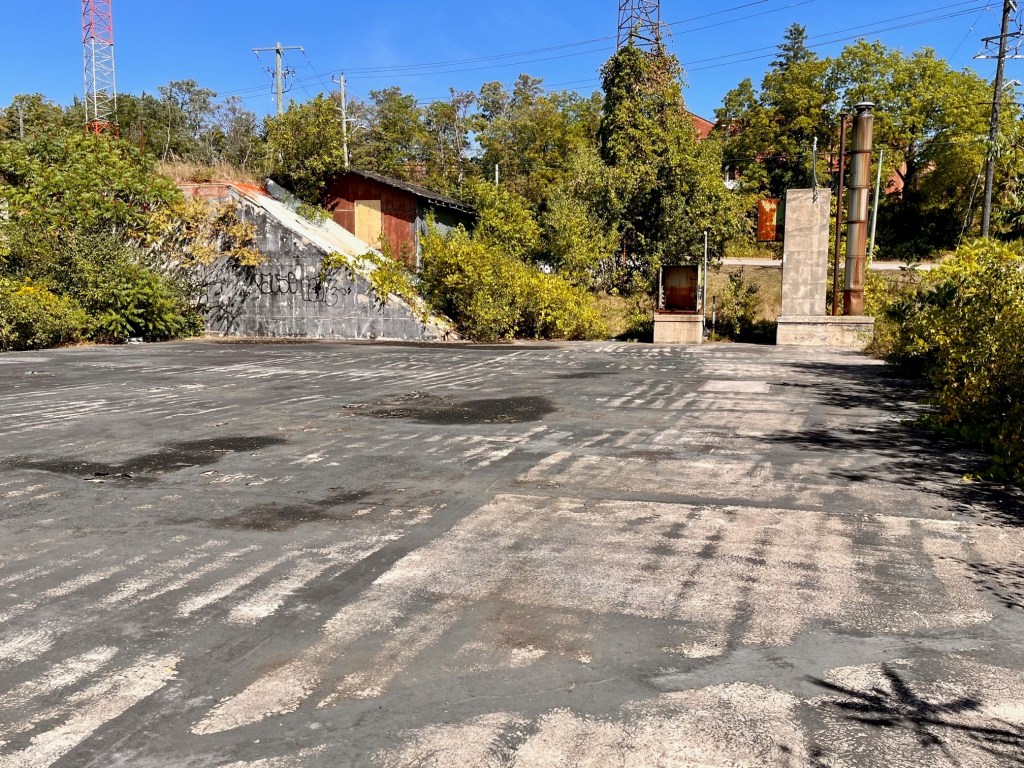
You’d never guess it was a Cold War fallout bunker—not with a sign boldly declaring Kitchener-Waterloo Rowing on the front. I’ve lived here my whole life, and it wasn’t until a few years ago that I learned of its existence. Had I not heard the stories, I’d still be in the dark. From the street, all you can spot are two radio towers and a few pipes jutting out of the ground beside a nondescript concrete entrance.
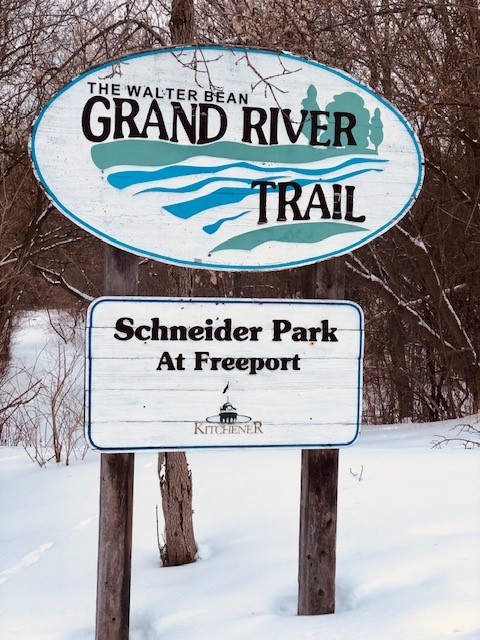
Beneath that modest exterior lies MEGHQ-FREEPORT, an underground bunker along the Grand River in Kitchener’s Schneider Park. Built in 1966, at the height of the Cold War, the shelter was designed to protect 40 key officials for several weeks following a nuclear attack. Its mission? Ensure continuity of government, keep essential functions running during a crisis, and help restore order and rebuild the country once the emergency passes. Among the 40 occupants were 10 elected officials, fire, police, and public utility leaders, as well as operational staff like eight radio operators, four typists, and one cook.

Hamilton, just 70 km away, was considered a prime target in Southwestern Ontario due to its steel mills and strategic harbour—both critical to industrial and military production. Prevailing winds would carry radioactive fallout northward, threatening the Golden Triangle, including Kitchener, Waterloo, Cambridge, and Guelph. The bunker’s location along the Grand River was strategic: close to water and discreetly tucked into the landscape.
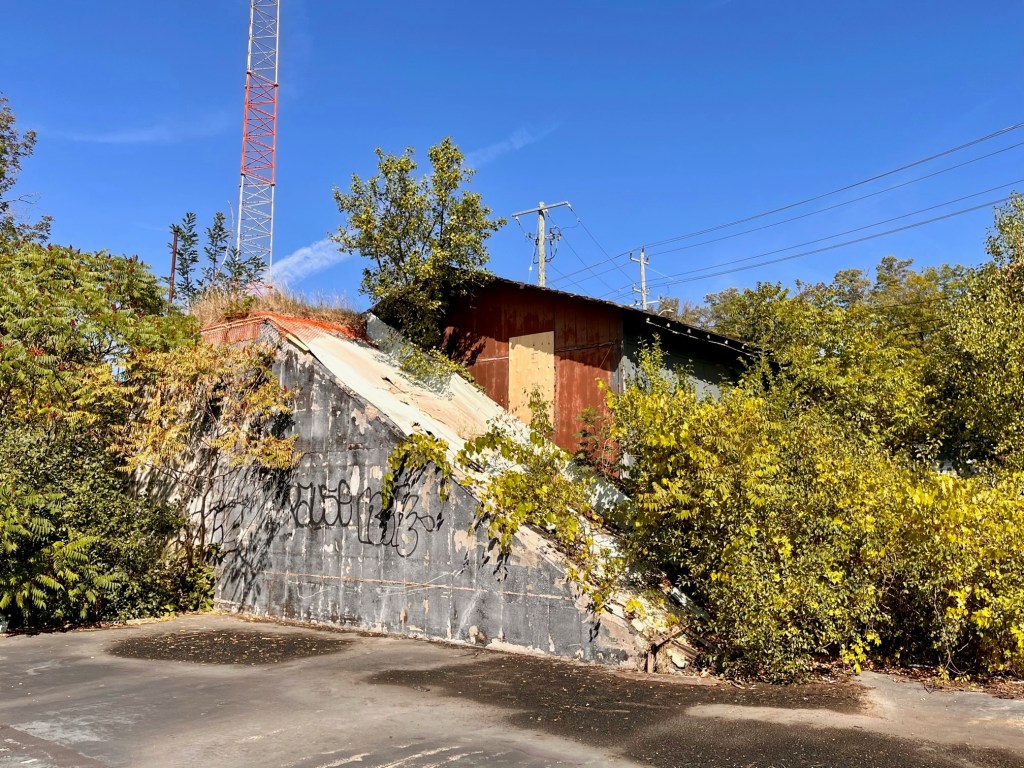
Originally planned as a fully underground concrete structure, the bunker was ultimately only partially submerged. About half the building lay underground, while the other half was covered with at least 0.6 meters (2 feet) of soil. Its 14 rooms and dormitories could comfortably shelter 40 people, giving the interior roughly 1,000–1,200 m² (10,000–13,000 ft²)—about the size of a small community center. The walls and doors, 25 centimeters thick, provided a fallout protection factor of 500, meaning radiation inside would be just 1/500th of that outside. Designed to be self-sufficient, the bunker featured its own well capable of pumping ~114 L per minute, a dedicated septic system, and a 20 kW diesel generator, allowing it to operate independently of outside utilities during a nuclear crisis.
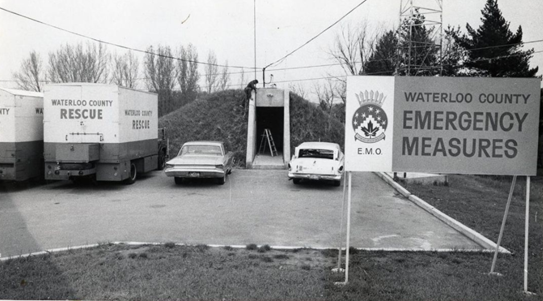
The windowless facility was designed as an operational headquarters, administration building, and training center. It included decontamination showers at the entrance, 14 rooms—including a spacious operations room, message center, radio room, multiple offices, a kitchen, and separate dormitories and washrooms for men and women.
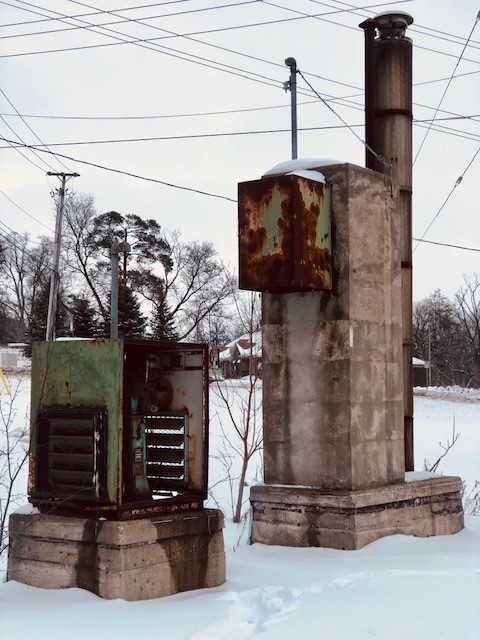
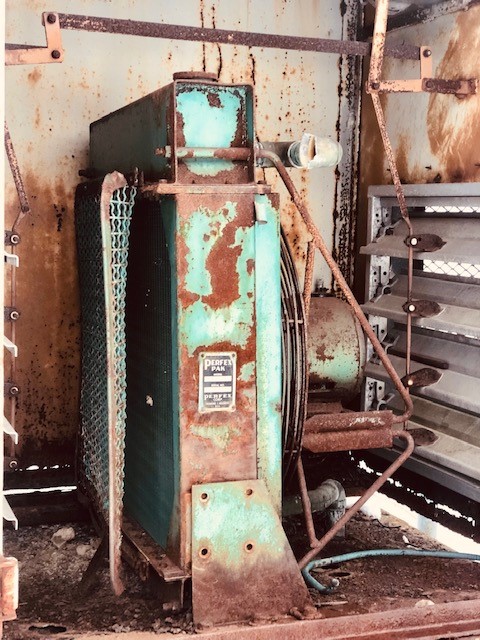
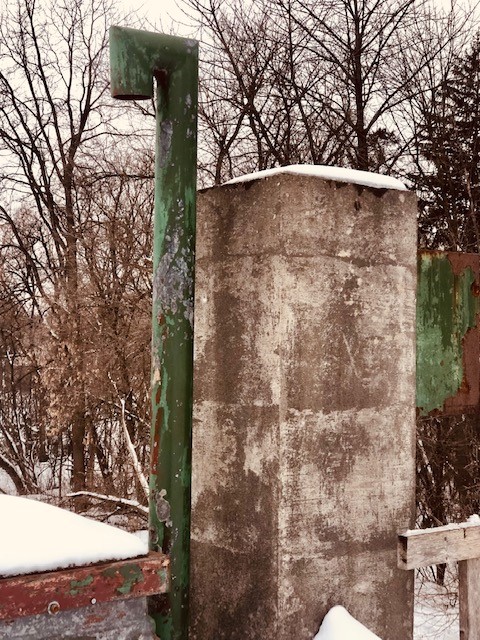
Decommissioned in 1992, it was leased to Waterloo Regional Rowing. By 2017, the bunker had fallen into disrepair, suffering from a leaking roof, a partially collapsed ceiling, and contamination from water, mold, asbestos, lead, and mercury. A nearby bunker in Aurora, now a heritage site, is no longer municipally owned.
Bridget Coady, Principal Planner at the Region of Waterloo, highlighted the significance of the shelter:
“The fact that officials chose to build the bunker demonstrates this region’s ingenuity and its desire to have good governance, even in a nuclear disaster.”
A Heritage Impact Assessment deemed the building worthy of protection under the Ontario Heritage Act. In November 2021, regional councillors approved $687,000 for emergency repairs, with full restoration costs estimated between $4 million and $4.5 million. Yearly operating expenses could reach around $200,000, depending on its eventual use.
This bunker was also part of a larger nationwide Emergency Government Headquarters network, initiated in the 1950s–1960s to preserve governance in the event of nuclear war. Across Canada, over 50 such facilities were built, with MEGHQ-FREEPORT being one of the few municipally owned sites still standing. The land for the bunker at 3571 King Street East was even transferred for a symbolic $1, underscoring civic cooperation and regional planning during a tense period.
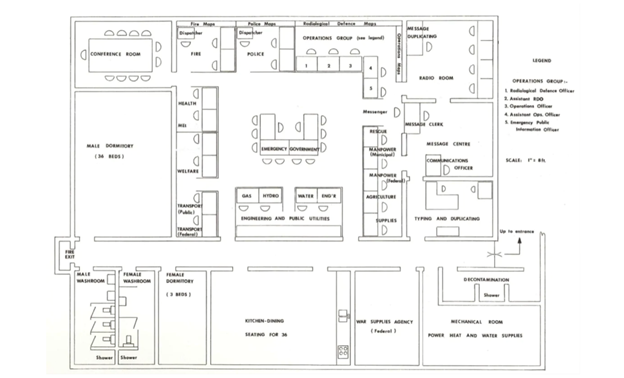
Construction actually began around 1964, with Webb Zerafa Menkes and Matthews—the same architectural firm behind the CN Tower—overseeing the project. Its mound-type design, partially underground and partially soil-covered, reflects Cold War-era engineering that balanced structural integrity, radiation protection, and functional use.
Personally, I’m thrilled they’ve decided to restore it. This bunker is more than a building—it’s a tangible piece of history, a silent witness to global fear and political tension, and one of Canada’s largest surviving Cold War municipal shelters. Preserving it allows us to connect with the past, honor the lessons of that era, and safeguard a unique part of our regional identity for future generations.
I walk my dogs along the Grand River often, and in the summer months, I pass the bunker regularly. I plan to revisit this summer and share updated photos when the grounds are snow-free.
UPDATE: September 2, 2022
Revisiting the site in summer shows the bunker still standing proud, a quiet monument to a tense period in world history.

 My Tiny World Corner
Leave a comment