This week, we stumbled upon a truly unique find: the abandoned Stoll Strawberry Farm, located along Fischer-Hallman Road in Kitchener/Waterloo. The property was abandoned in 2017, and we discovered it through a “trade” with another urbexer.
Stoll’s Strawberry Farm was once a functioning pick-your-own (PYO) farm, where visitors could harvest fresh strawberries during the summer season. This made it part of the region’s long tradition of small family farms supplying fresh fruit to the community, a staple of southern Ontario agriculture. Strawberries in this region typically ripen in mid-June to early July, drawing families and local residents each year to enjoy the fruits of the farm.
On our first visit, we only had time to explore the house—daylight was running out. The very large barn remains unexplored.
For this post, I’ll divide the house into two main areas: the main floor and the upper apartment. While part of the same home, the upstairs had been converted into a separate apartment where the last owner appears to have lived, leaving the main floor largely unused.
History on the house’s ownership can be found further below.
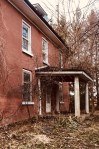

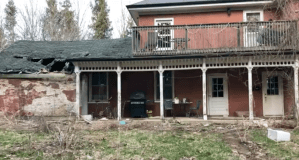
Main Floor
The front entry was covered with plastic, likely to prevent heat loss during the colder months.
The main left section of the home appeared abandoned. It contains a large kitchen with an original Lakewood wood stove, a dining room, and an attached lounge. Across the kitchen is a formal sitting room with a stunning fireplace and intricately tiled hearth.
Interestingly, the stairs to the upper floor were drywalled off, indicating that this section of the house was rarely used.
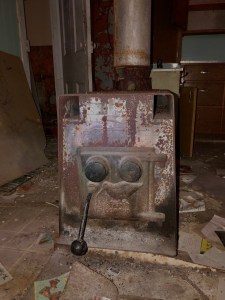


This section seemed not be lived in on a regular basis, as most of the owner’s belongings can be found upstairs in the apartment, which is the entryway to the right.
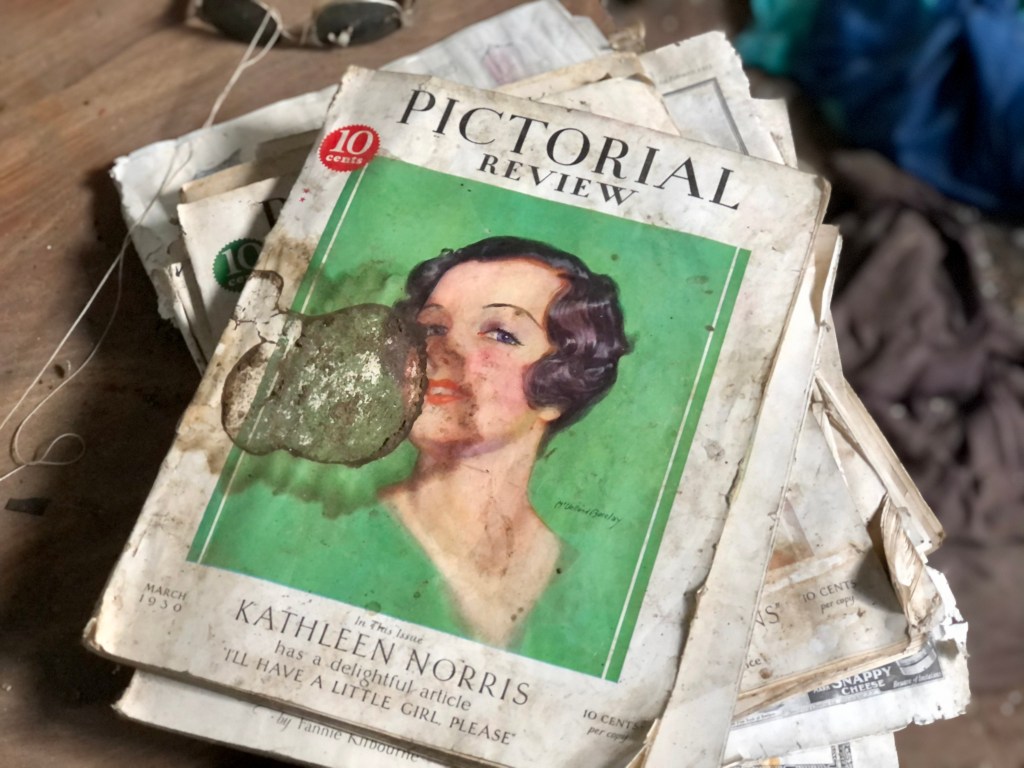
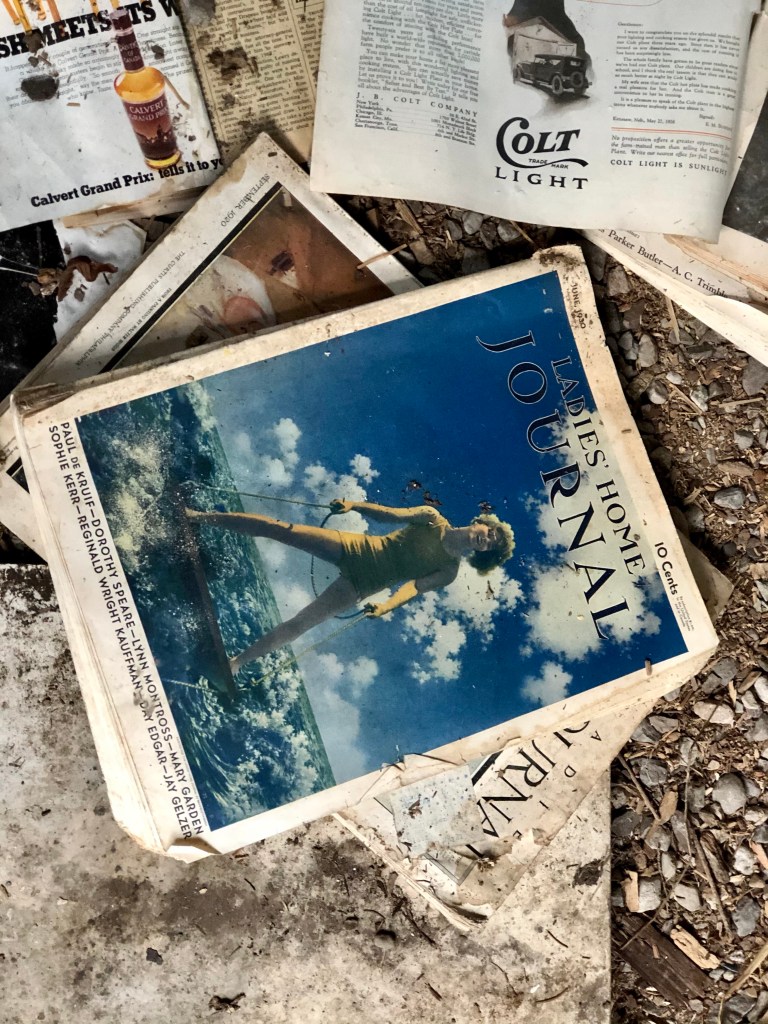
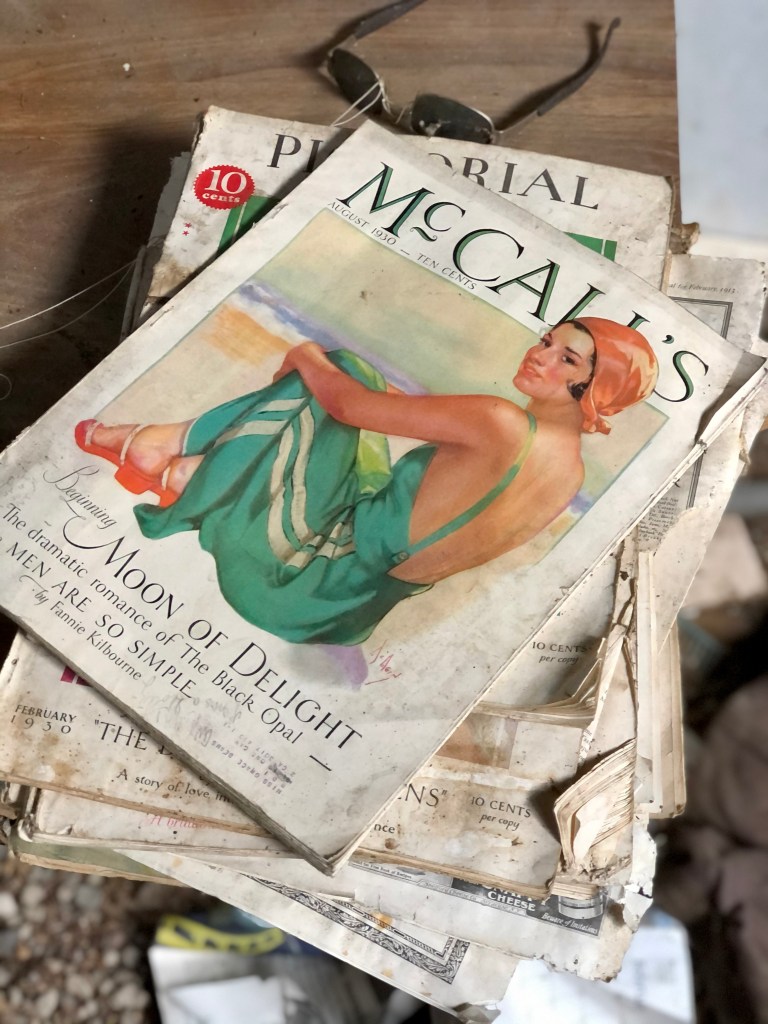
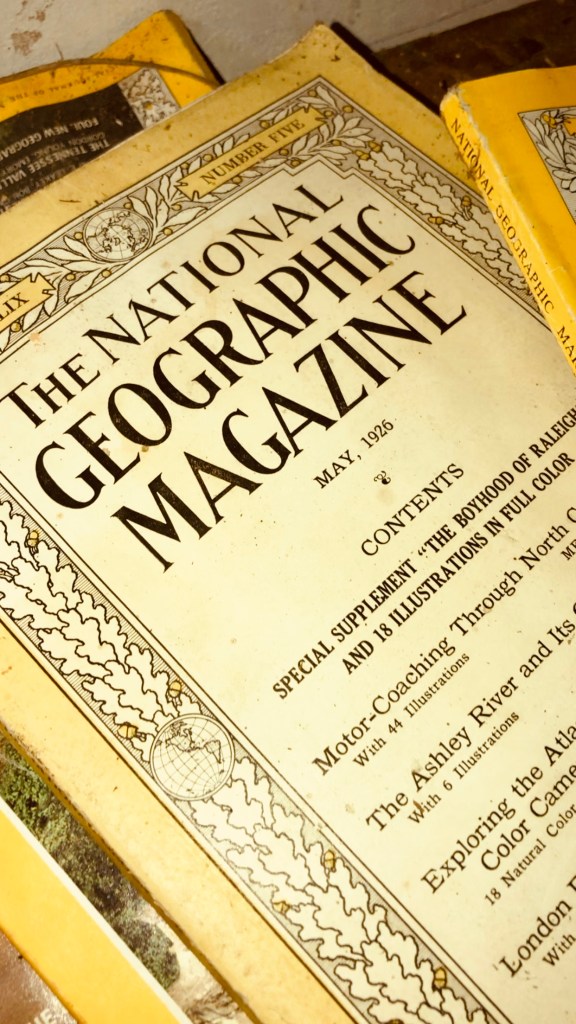
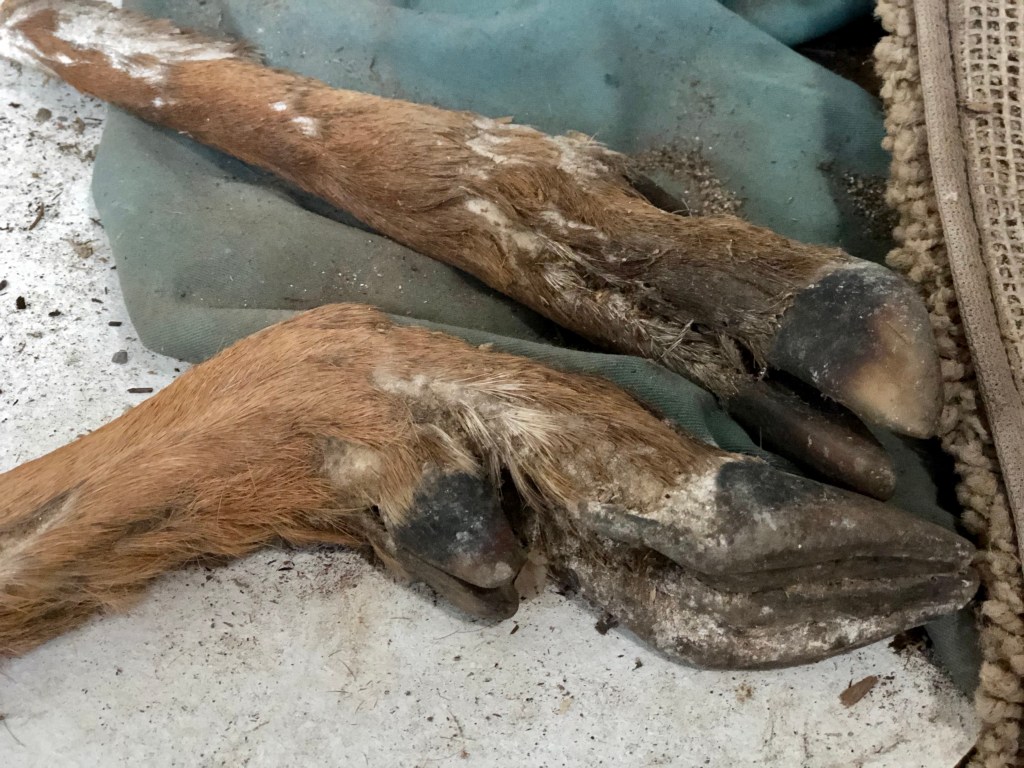
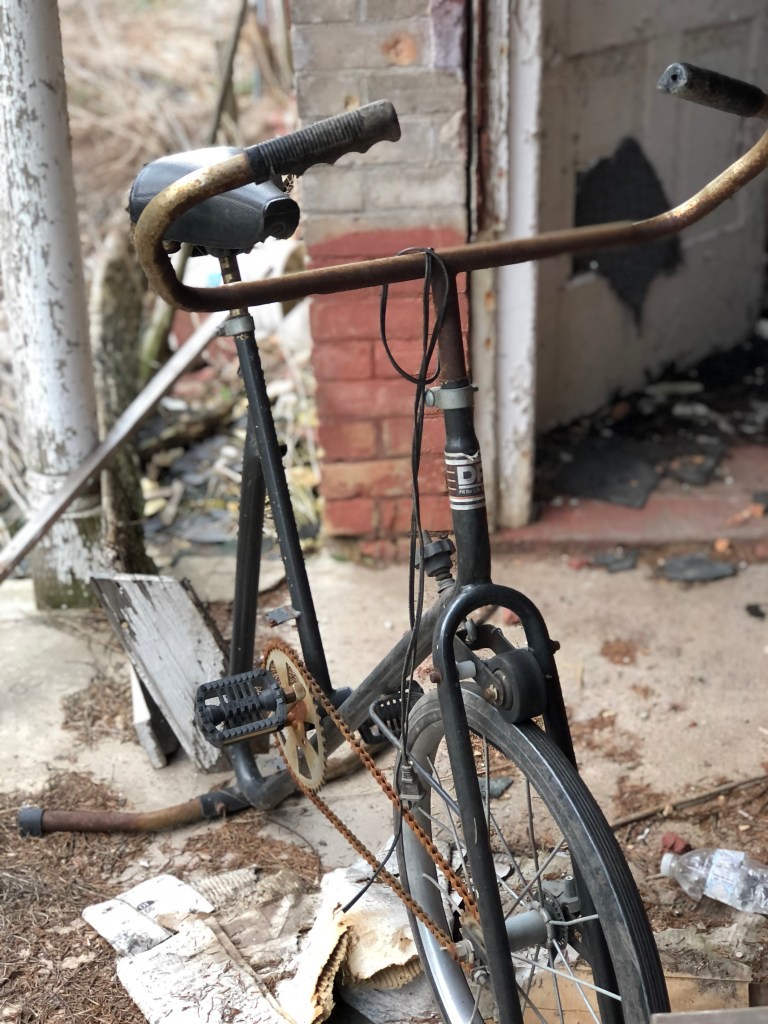
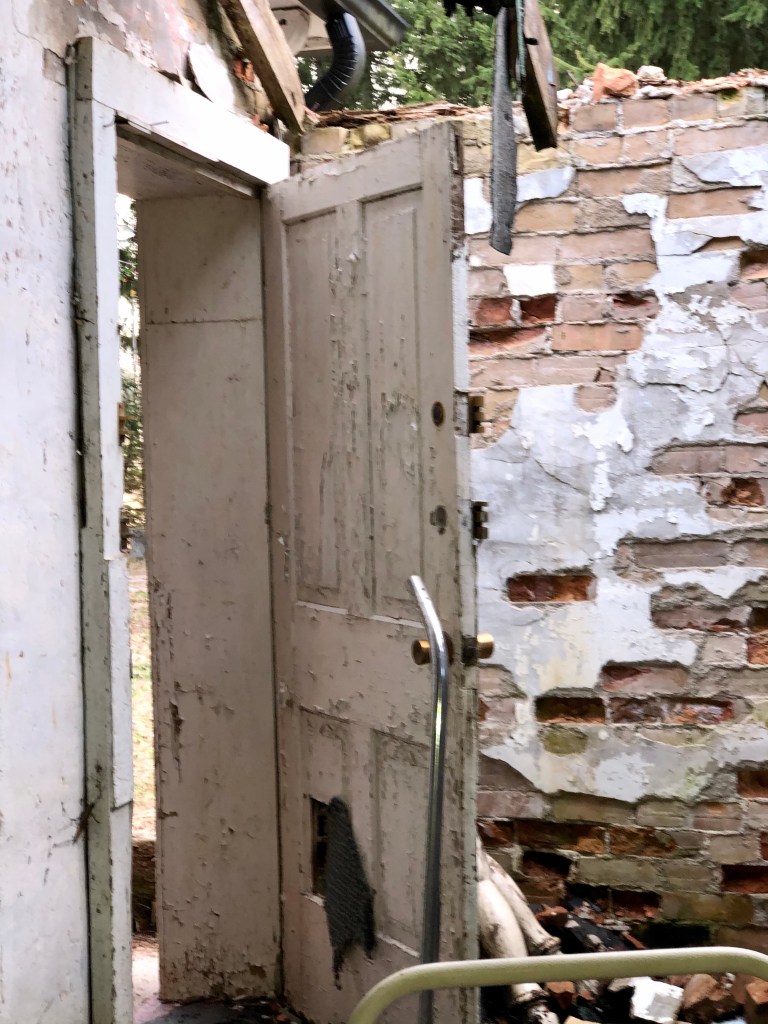
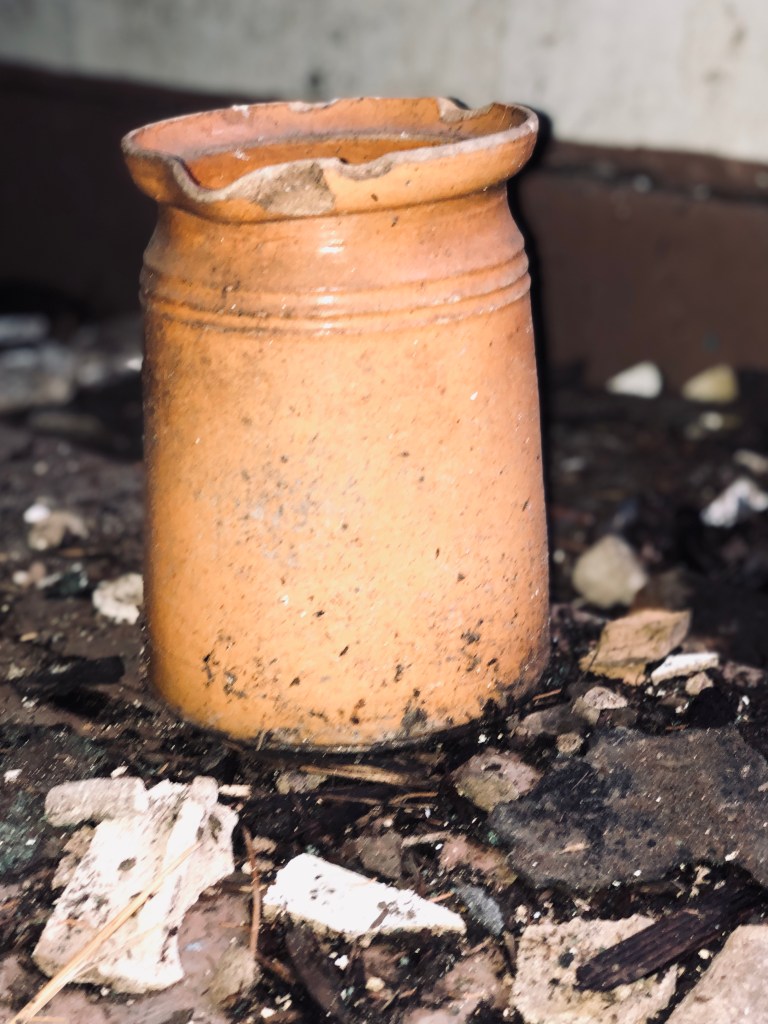
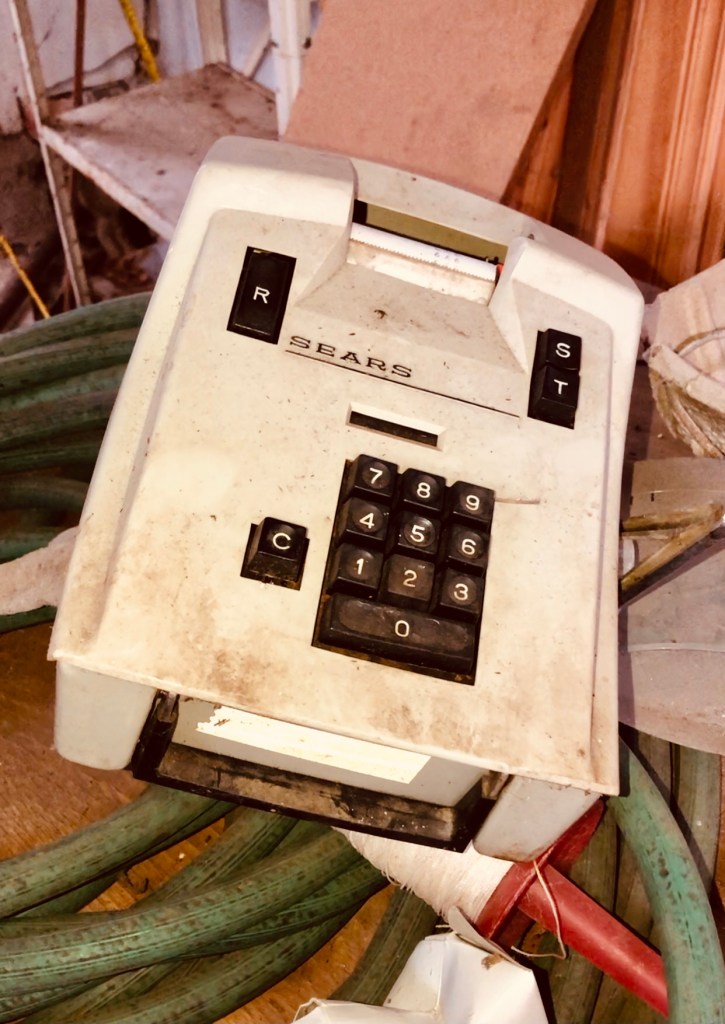
The most interesting items of this exploration seem to be in the decayed addition at the rear of the house. The roof has partially caved in. Here we found old magazines – mainly from 1926 and 1930, an old Sears cash register and 4 deer hoofs, amongst other things.
Upper Apartment
The upstairs rooms were then made into an apartment, a separate apartment in the house where it appears as if the owner resided. The apartment has a look and vibe of the 80’s / 90’s; based on the carpet, the built-in fireplace, and the wood plank kitchen ceiling.
What We Know About the Last Owner – Dieter Otto STOLL
The farm belonged to a 75-year-old retired strawberry farmer, who was mowing his grass on his tractor, pulling the mower behind him, in the late afternoon of July 19, 2017. He was going up a steep incline when the tractor tipped over onto him. Several passersby stopped, freed him from the tractor, and administered CPR. He was rushed to the hospital and later pronounced dead.
According to his obituary:
- Full name: Dieter Otto Stoll
- Date of birth: December 3, 1941, in Speyer, Rhein, Germany
- He had a profound passion for farming and supplying fresh produce to families in the community.
- He began growing strawberries and other produce in Germany in 1975 and immigrated with his family to Kitchener, ON in 1985 to continue growing what became locally known as Stoll Strawberries.
- He loved living on the farm, enjoyed nature and wildlife, and was cherished by his children, grandchildren, siblings, and extended family.
- Dieter is survived by his children Birgit Walch (Augustin) and Maik Stoll (Tammy), grandchildren, brothers Norbert and Guenther (Meta) in Germany, and other relatives.
Conjecture on the Artifacts
Based on the presence of numerous local, English-language documents, memorabilia, and paraphernalia dating from the 1910s to the 1930s, it seems likely that these items did not belong to the strawberry farmer. It’s possible that when he moved into the house, it already contained a considerable collection of possessions left behind by previous owners.
These items appear to slightly predate the Hallman family’s occupation of the house, but the Hallmans were likely the most settled residents, the ones most likely to have last lived in the main part of the home. The artifacts are an appropriate age for Mr. Hallman and his wife, representing things they may have acquired in their 30s and 40s.
It seems probable that these were remnants of possessions the Hallmans brought with them, which their family did not reclaim, and which the strawberry farmer’s family had no interest in. This makes the site particularly fascinating — a rare example of a family home preserving the actual possessions of several distinct groups of inhabitants, rather than just multiple generations of a single family.
Ownership History
Research and information compiled by Thomas Little.
The property has a layered and complex history:
The original Crown grant was given to British land agent Richard Beasley in the 1790s.
By 1861, William Hope appears on maps as the owner of a house on the same site. His neighbors, the Proudfoots, were Scottish settlers in North Dumfries who moved into the mostly German-settled township.
In the late 19th century, the Richardson family became increasingly involved through buying, leasing, and mortgaging parcels, eventually leaving a small half-lot attached to the house.
During the early to mid-20th century, ownership passed through Becker, Huber, and Hallman, with Mr. Hallman formally taking title in 1951, likely the last long-term resident. Horst Dreger, likely a postwar German immigrant, also owned the property for a time.
The late 1960s–1970s were complicated, with ownership disputes between the Dregers and Hallman estate, while parts of the land were farmed by the Bayer family, likely contributing to the house’s decay.
Finally, in 1986, the property was sold to the strawberry farmer and his wife for nearly $500,000, marking the last formal ownership before the property’s eventual abandonment.
For more urban explore adventures … be sure to follow my blog 🙂


 My Tiny World Corner
Leave a comment