A House Misunderstood
This past weekend, we explored one of Ontario’s most talked-about urban exploration (urbex) locations — the Pastor Lee House in Haldimand County, Ontario. Long abandoned and unfortunately heavily vandalized, the house remains a strange and compelling time capsule, filled with personal artifacts, handwritten messages, and objects that invite both curiosity and speculation.
We spent a couple of hours inside the property, although we could have easily stayed the entire day. Each room revealed something different: forgotten belongings, fragments of daily life, and clues hinting at the personalities of those who once lived there. We took turns wandering separately, later regrouping to share discoveries, theories, and imagined backstories. There was simply so much to absorb. I’ll definitely be going again — one visit wasn’t enough.
Many people describe this place as “creepy.” I don’t see it that way. To me, it’s eccentric, deeply personal, and oddly fascinating. This was once a home — a place where people felt safe, free, and unjudged — and that context matters.
Ordinary from the Road
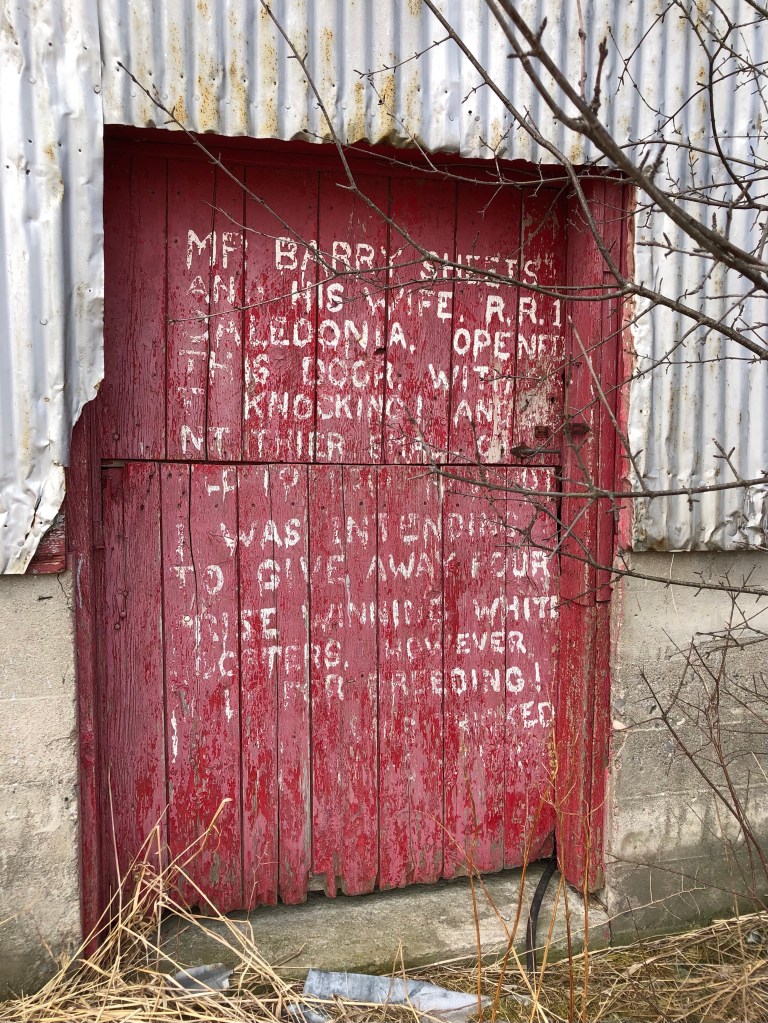
From the road, the Lee House looks like almost any other rural property. But it doesn’t take long to realize that something here is different. The first clue comes before you even step inside: hand-painted messages scattered across the buildings, trailing off mid-thought, layered over time.
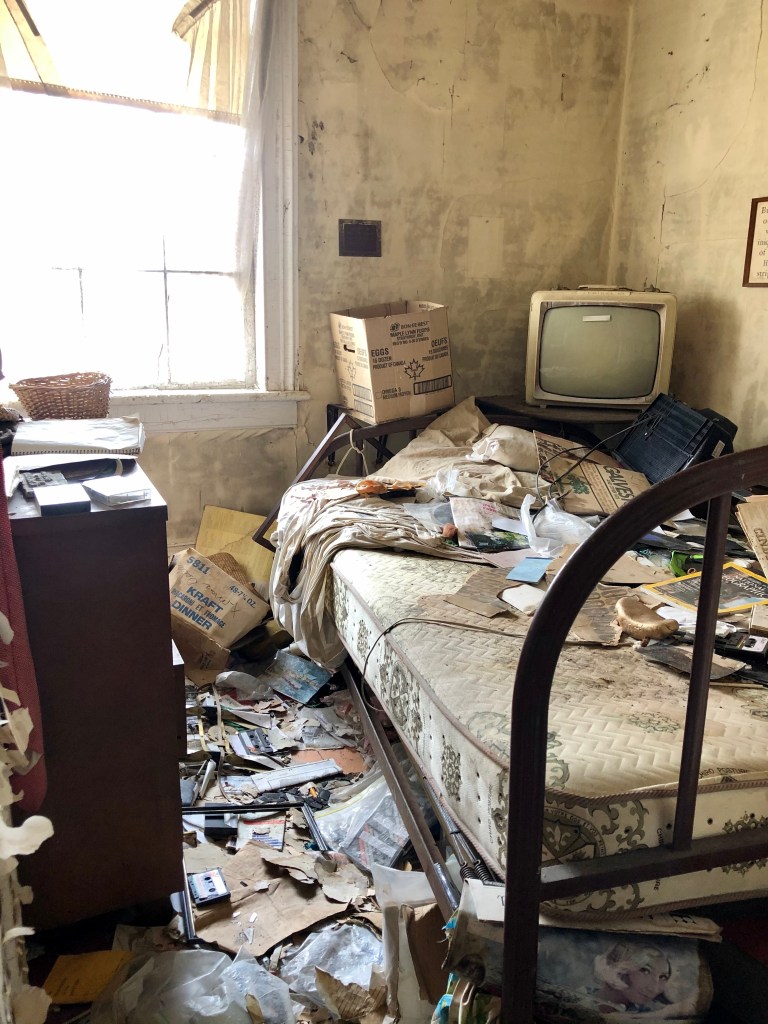
Inside, the story unfolds slowly. A piano in the living room suggests music once filled the space. Slide negatives show family vacations and outings. Film reels and cassette tapes are strewn throughout the house. If someone were to take the time to preserve and digitize these materials, they would almost certainly tell remarkable stories.
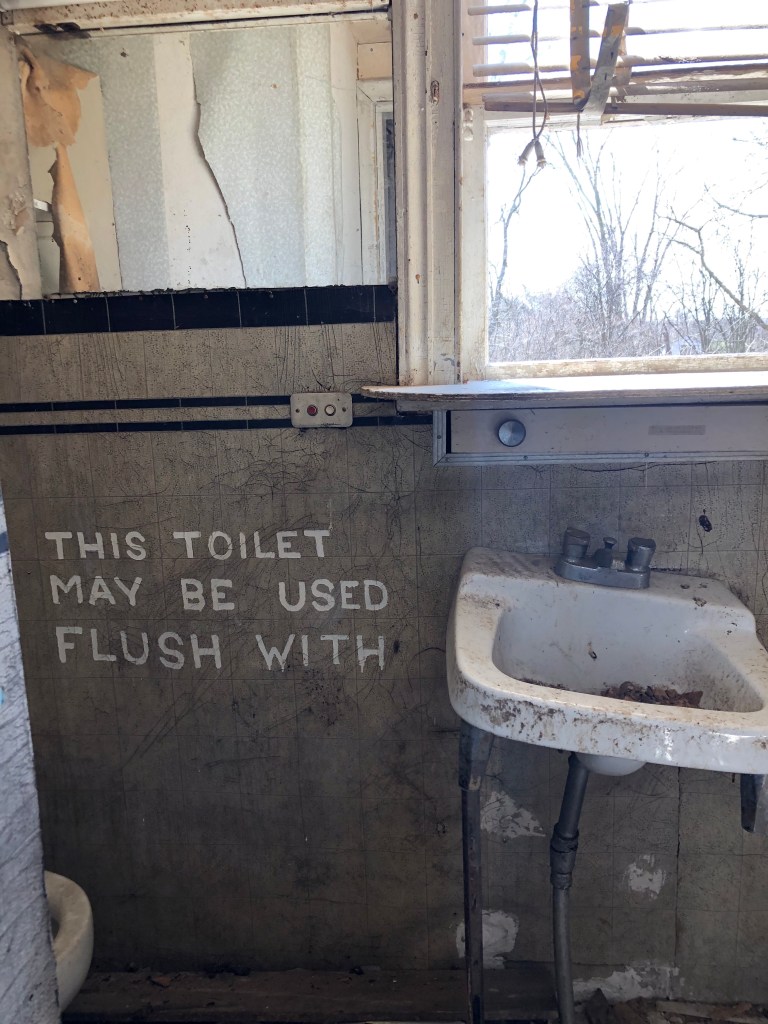
Unfortunately, much of what remains has been smashed, stolen, or left exposed to the elements. Based on earlier blogs and videos, the house appears to have been in relatively decent condition until around 2012, after which repeated trespassing took its toll.
For that reason, while the house is located in Haldimand County, I won’t be sharing its exact town or location.
The Lee Family
Esther Gladstone Lee (1893–1997)
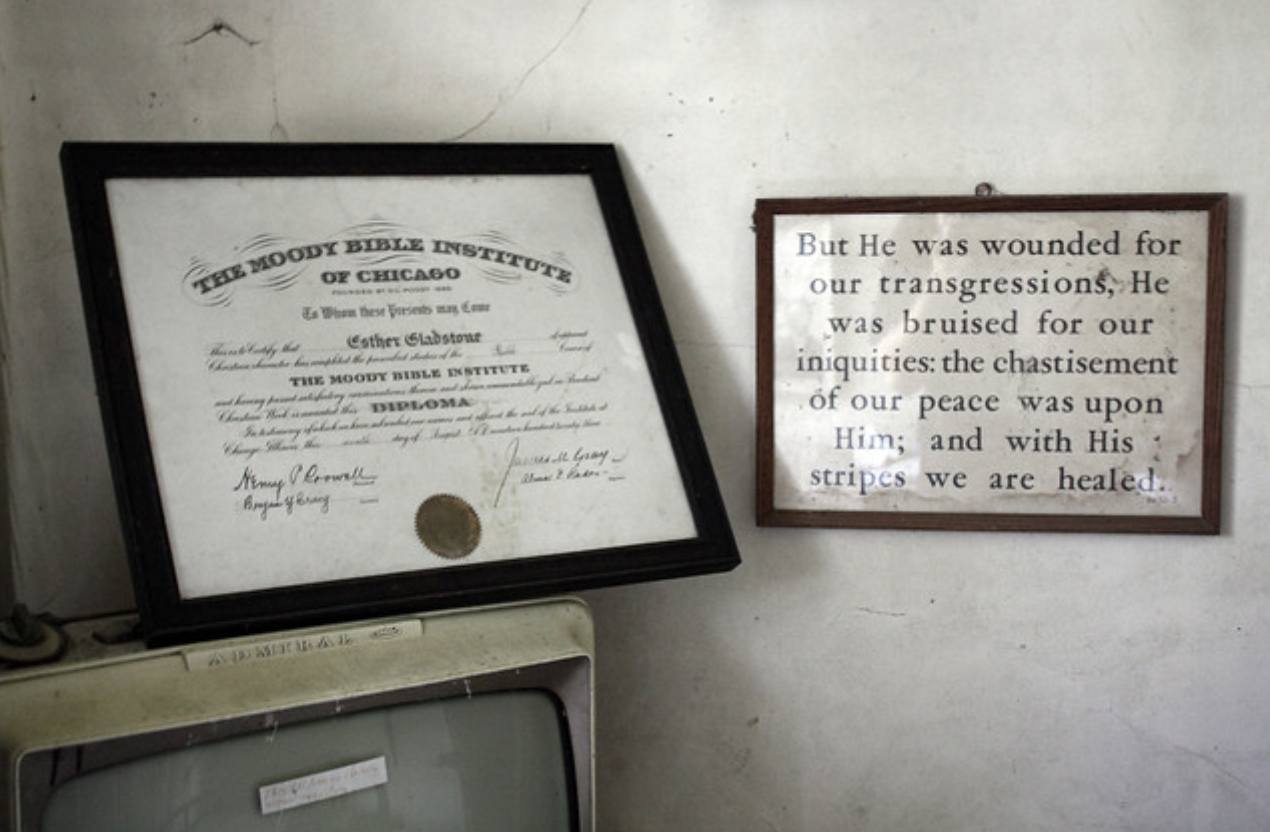
Based on research and artifacts found in the house, Esther Gladstone Lee was born on November 3, 1893, and died in 1997, living to be over 100 years old. A framed diploma discovered inside the house shows that she graduated from Moody Bible Institute in Chicago on August 9, 1923.
Esther left behind a great deal of correspondence, suggesting she was well-connected and likely well-regarded in her community. Several local history books were also found on site — including History of Renfrew County and On the Trail of the Conestoga — indicating an interest in Ontario history, pioneers, and settlement. Whether this stemmed from personal ancestry or religious interest is unknown.
Her health appears to have declined beginning in the early 1980s, which would not be unexpected given her age at the time. She passed away in 1997.
Arthur Lee (c.1897–1971)
Arthur Lee, Esther’s husband, appears to have been born around 1897 and died in 1971. Researching Arthur is difficult due to the number of men with the same name, including several more prominent Arthur Lees associated with military service.
There are no clear matches for him in Canadian WWI or WWII records, though he would have been of age for the First World War. He later attended McMaster University, which suggests either a local connection or that he settled in the area afterward. It is also possible that Arthur was American, though this remains unconfirmed.
What is known is that Arthur was a Reverend, and together with Esther, lived a religious life consistent with ministry and missionary values.
Gordon Lee
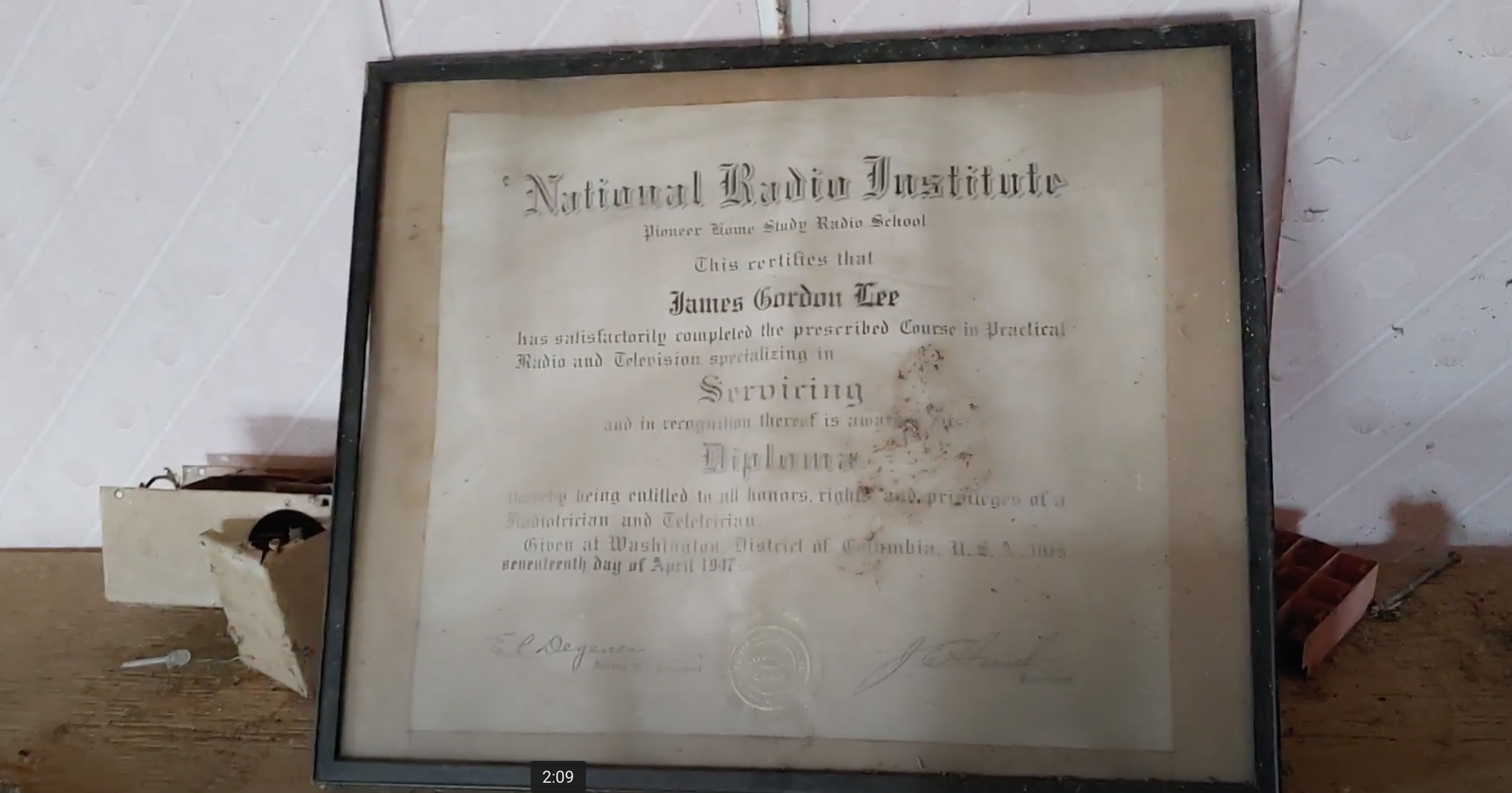
Gordon is, without question, the most enigmatic figure associated with the house.
There is no clear public record confirming his death, and he does not appear to be buried in the family plot — or the record may simply not yet be updated. If he were alive, he would now be well into his 90s.
Gordon appears to have lived most, if not all, of his adult life in the family home. His interests are evident everywhere: radio technology, electronics, UFOs, unusual phenomena, and documentation. The house was once a collector’s treasure — now sadly much diminished.
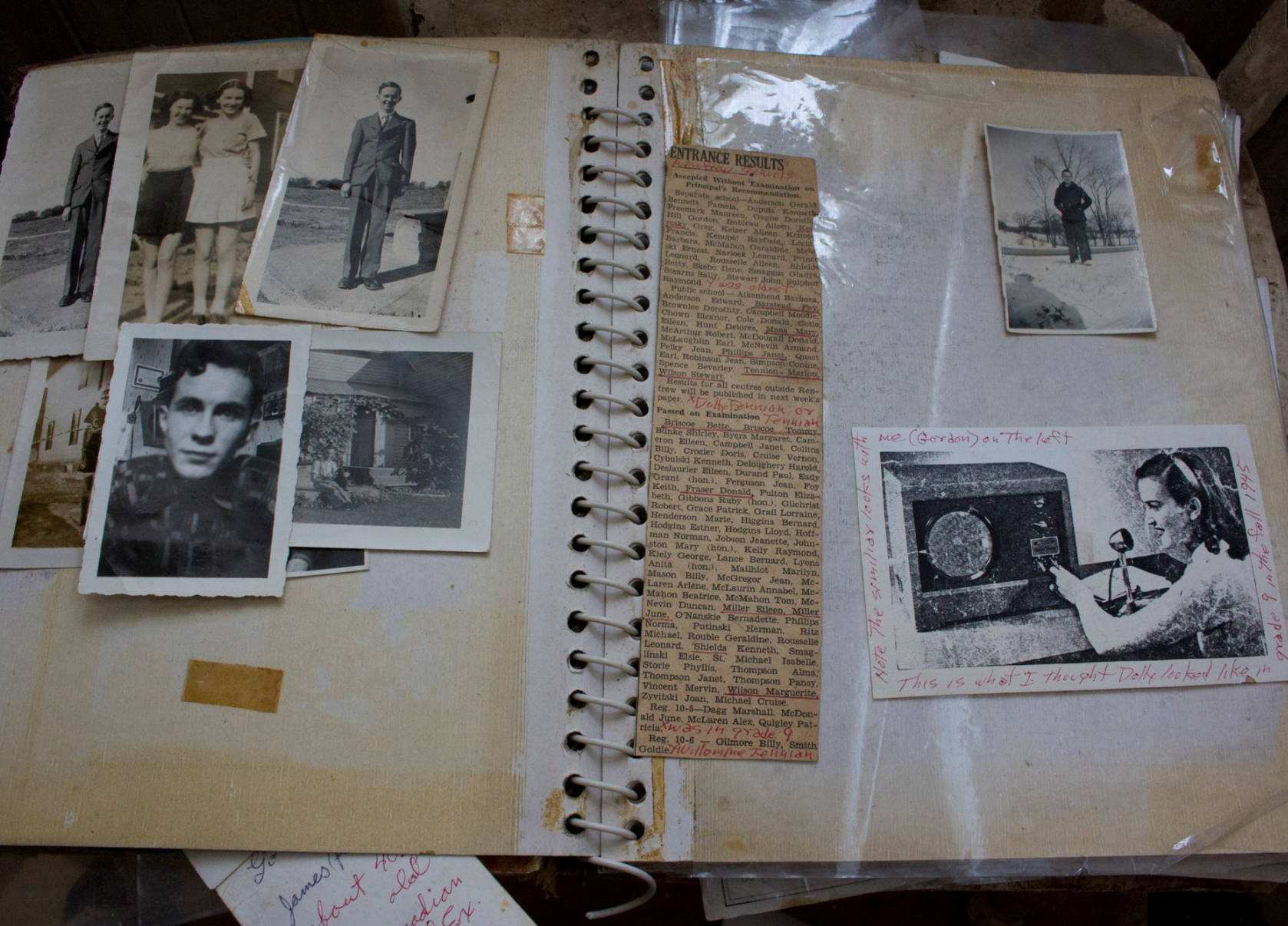
A photograph found by an explorer reads:
“Fern Bertrand — this is the only girl I ever kissed and hugged. 1946.”
If this is Gordon, he would have been around 18 years old at the time.
Unsurprisingly, Gordon seems to have remained a lifelong bachelor.
Dorothy Lee
Dorothy moved to London, Kentucky, where she married Dr. Edward Lauber. Her obituary is brief and offers little insight into her life. She appears to have lived far removed from the eccentricity of the family home.
Donald Lee
Donald appears to have played a role in cleaning up the property around 1994 and helped Gordon paint the messages found on the exterior buildings. The two seem to have maintained a friendly relationship.
Donald later moved to Mount Hope. His obituary lists a wife, Joan, but no children. Gordon is not listed as predeceased.
It is unclear how much time Donald spent at the house as an adult, and whether some areas or possessions have been misattributed to Gordon, particularly if they shared interests in technology.


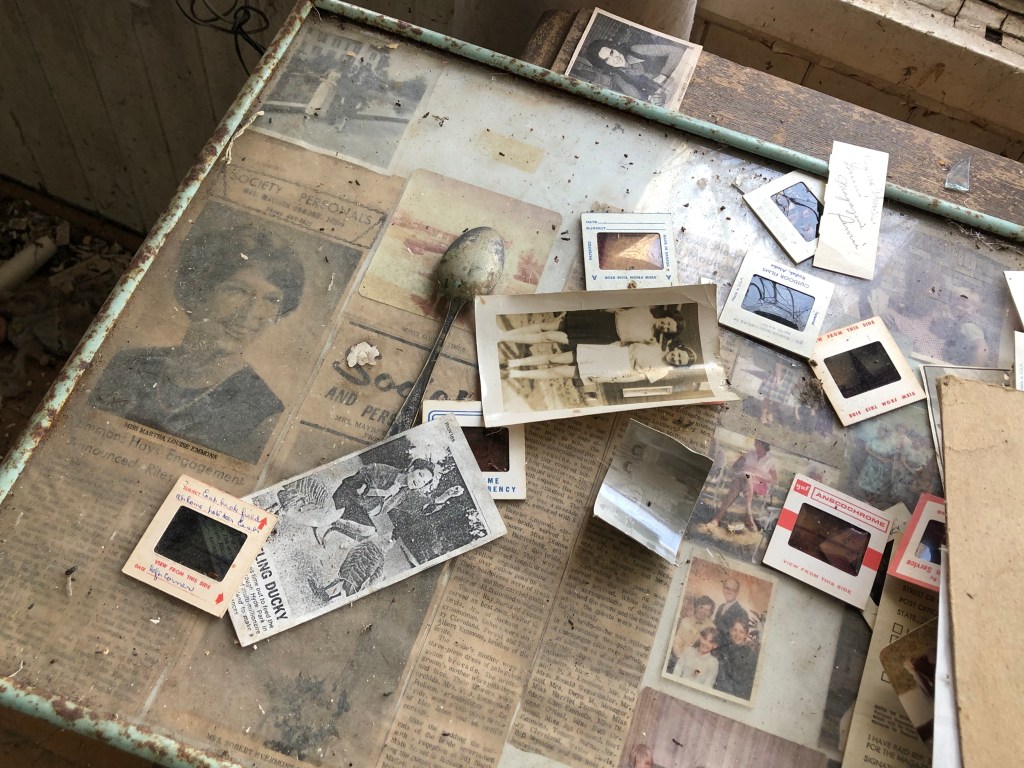
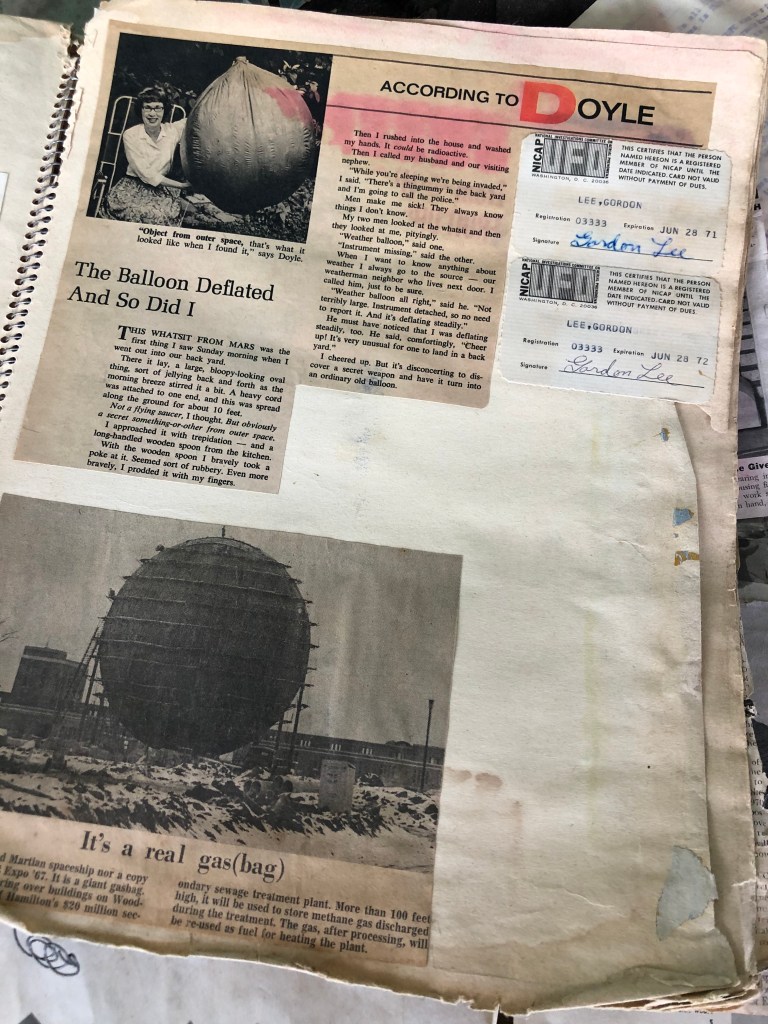
The Objects Left Behind
The house contains — or once contained — an extraordinary amount of equipment and media:
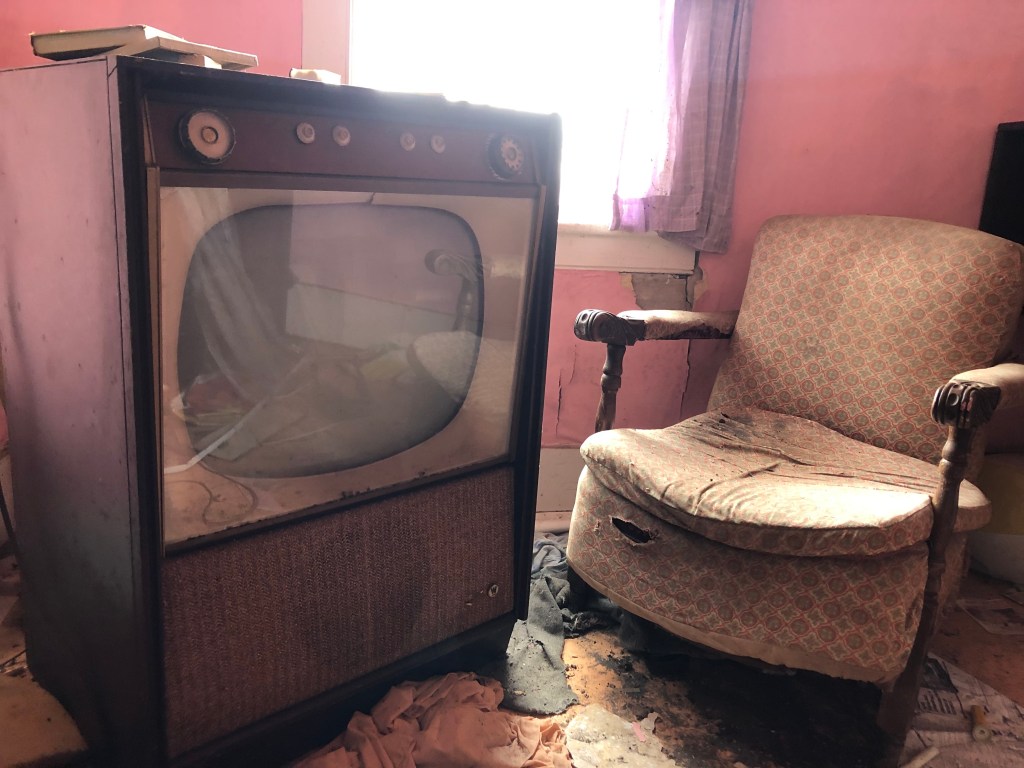
- Numerous old television sets
- A combined television/record player/speaker unit upstairs
- Film reels, cassette tapes, and slides
- A Victoreen dosimeter, an unusual scientific instrument not commonly found in private homes


Gordon appears to have been fascinated by phenomena such as UFO sightings, lightning strikes, radiation, and unexplained events — interests that were not uncommon among hobbyists in the mid-20th century, particularly during the height of UFO fascination in the 1950s–1970s.
The Animal Photographs: Context, Not Conclusions
One of the most discussed aspects of the house is a collection of photographs showing dead animals — some skinned, some decapitated — originally part of scrapbooks now scattered throughout the property.
The animals include geese, raccoons, and possums. Some photos appear to date from the 1970s or 1980s.
One particularly unsettling image shows a raccoon propped upright, with writing on the back that reads:
“Dead raccoon, propped up on rods. I wished I could have trained it to be my watchdog!”
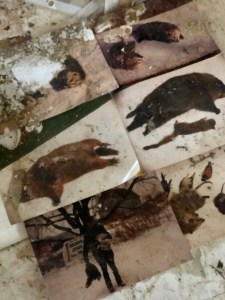
These images have sparked speculation, some dark, some sensational. But context matters.
The nearby highway was once a major trucking shortcut between Detroit and Buffalo, especially after rail traffic declined mid-century. Increased night traffic would have resulted in significant roadkill, particularly wildlife unfamiliar with sudden changes in traffic volume.
Gordon also appears to have connected some animal deaths to rabies, which was a real and documented concern with raccoons in Ontario.
Whether these photos reflect documentation, curiosity, or something more troubling is impossible to say. What can be said is that judging a life based solely on fragments left behind is deeply unreliable.
Why So Many Beds?
For a family of five, the number of beds in the house is striking:
- Three upstairs bedrooms (one so small it barely qualifies as a bedroom)
- Two single beds in the enclosed front porch
- Two handmade bunk beds in a rear addition
- A double bed positioned directly in the kitchen
- A cot or stretcher found in a crawlspace connecting both sides of the house
I found no documentation explaining this, so what follows is informed speculation.
Given Esther’s formal ministry training at Moody Bible Institute and Arthur’s role as a Reverend, one plausible explanation lies in Christian hospitality and lay ministry practices common in the early-to-mid 20th century. Evangelical and missionary families often opened their homes to visiting preachers, missionaries on furlough, students, or community members in need of temporary shelter. In many cases, private homes functioned informally as guesthouses, rest stops, or places of refuge.
The mix of permanent beds, bunk beds, and temporary sleeping arrangements supports the idea that the household may have accommodated short-term guests rather than simply housing family members. This does not mean the home was an official ministry site — but it does align with how deeply religious households often lived out their faith in practical ways.
Of course, it’s also possible that the beds accumulated gradually over time, repurposed as family needs changed or as household members aged. Without records, we may never know for certain. Still, the sheer number of sleeping spaces suggests a home designed for more people than just those who lived there full-time.
Bips and Bops of the house ….
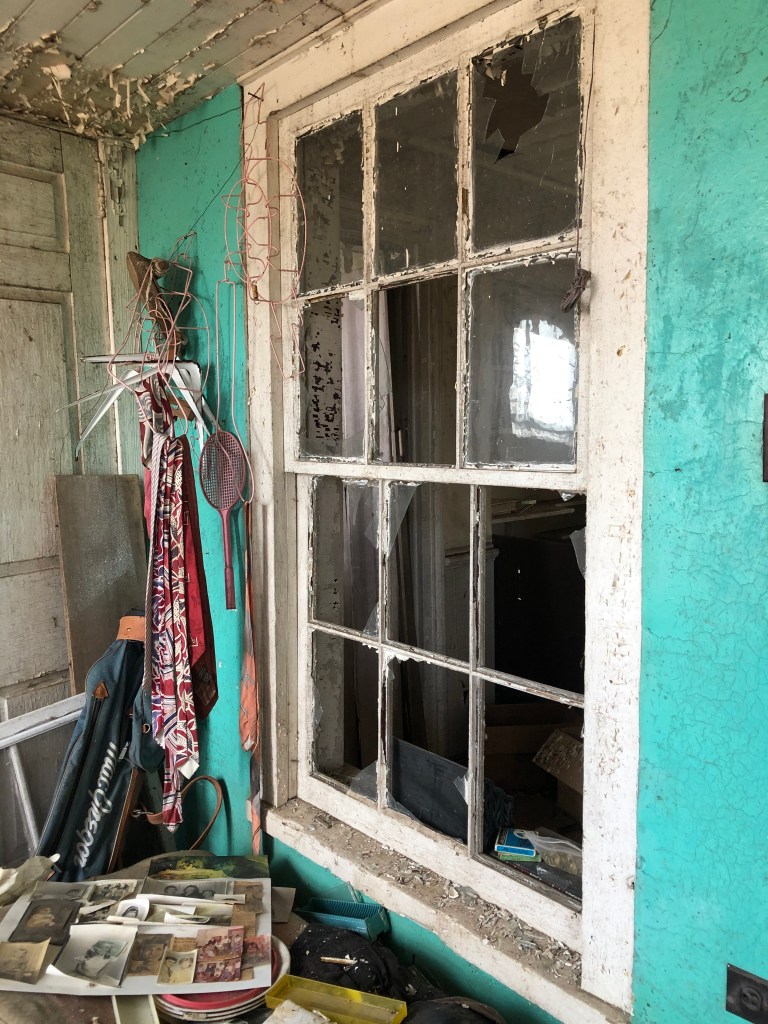
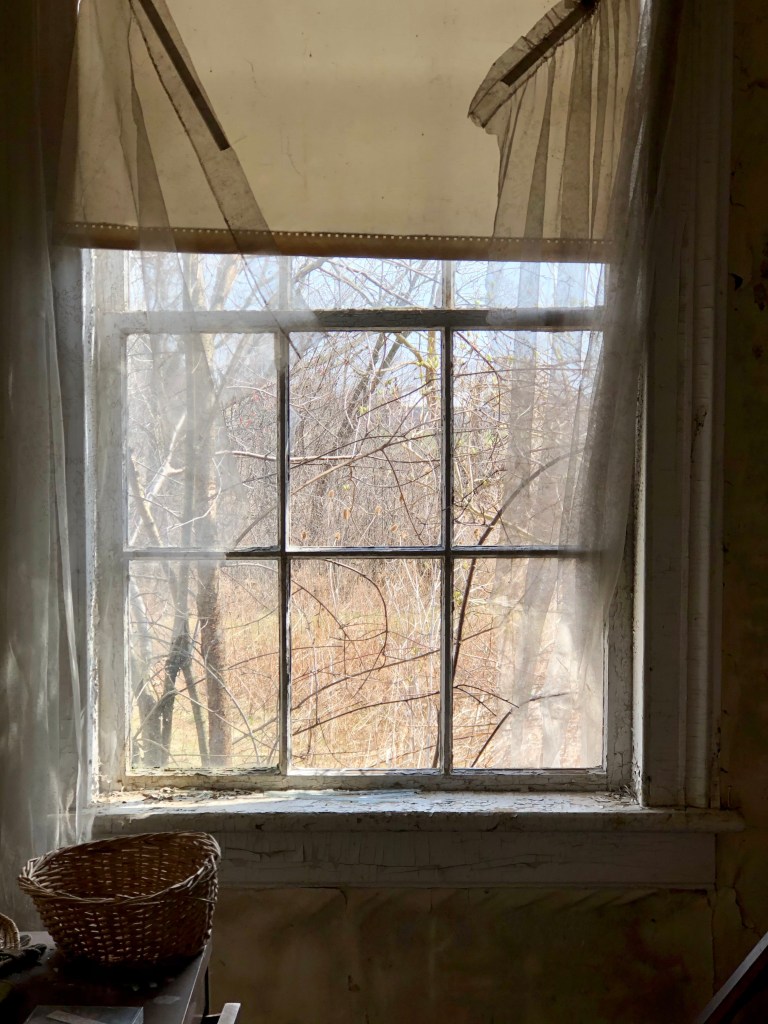
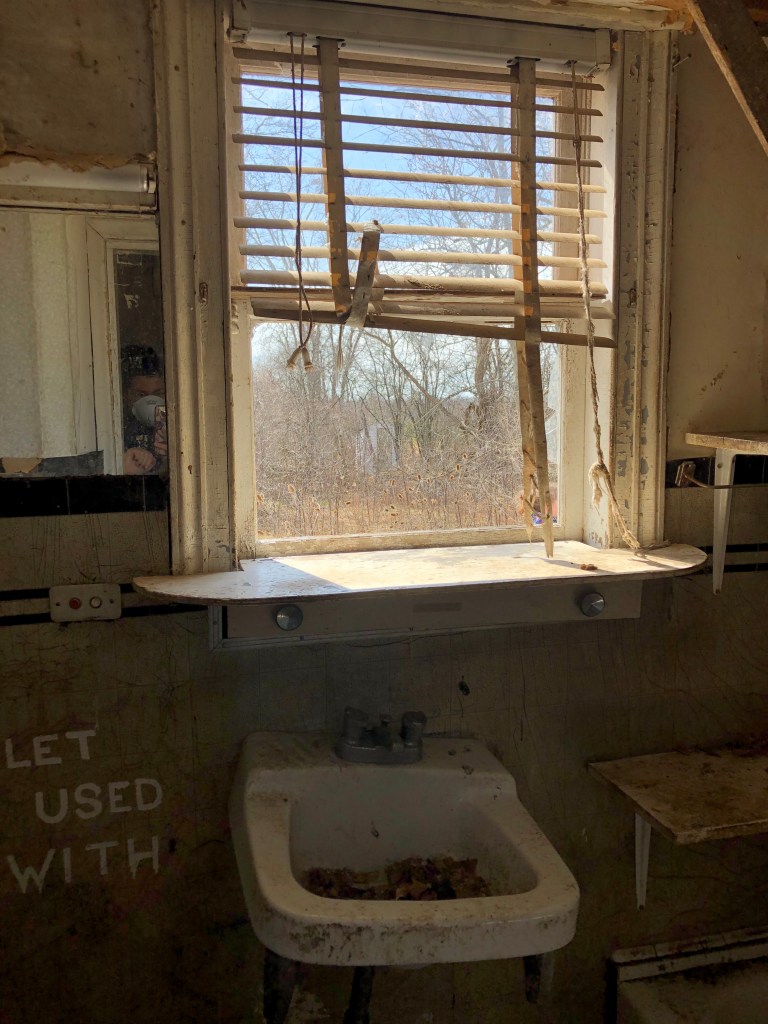
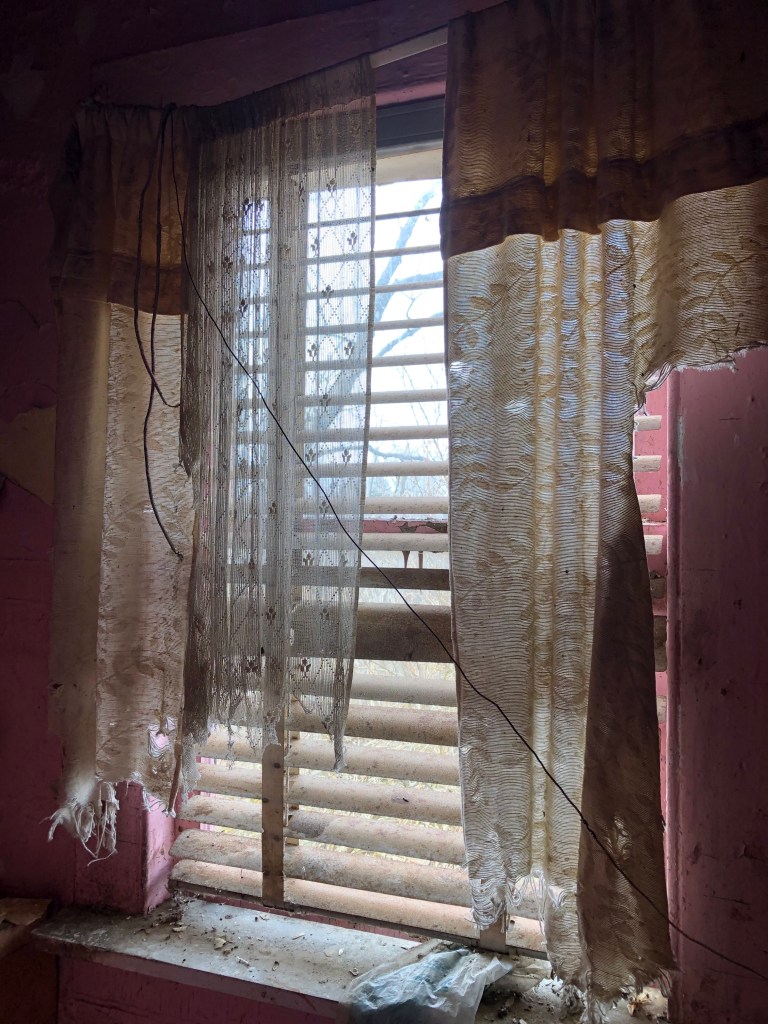
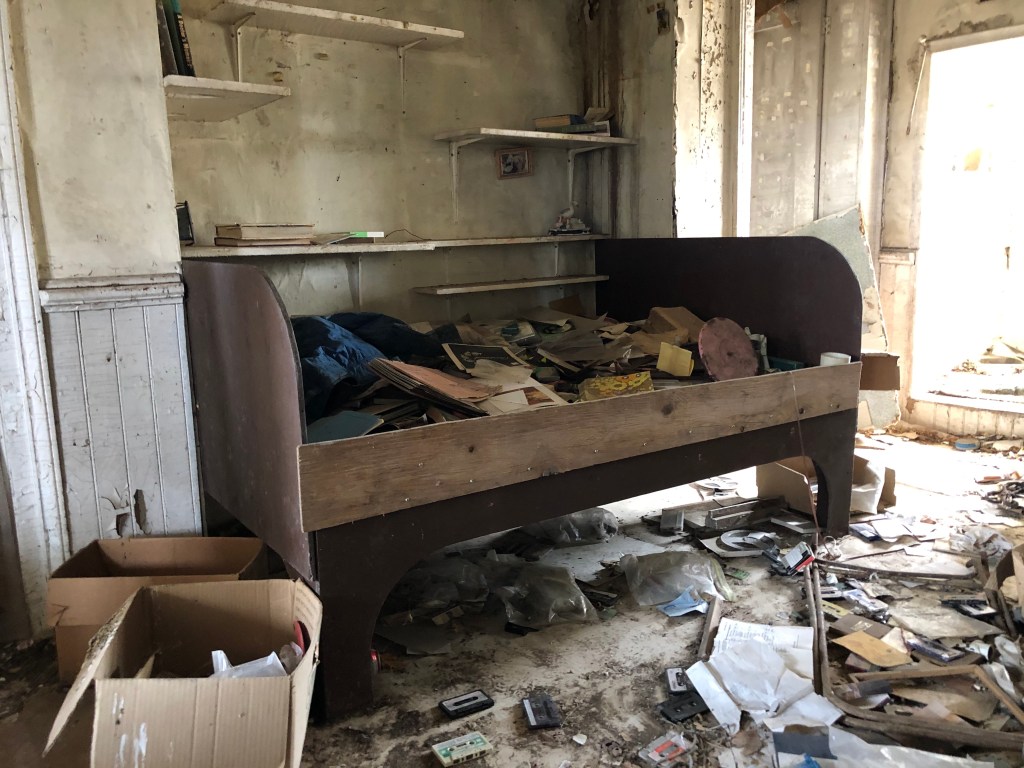
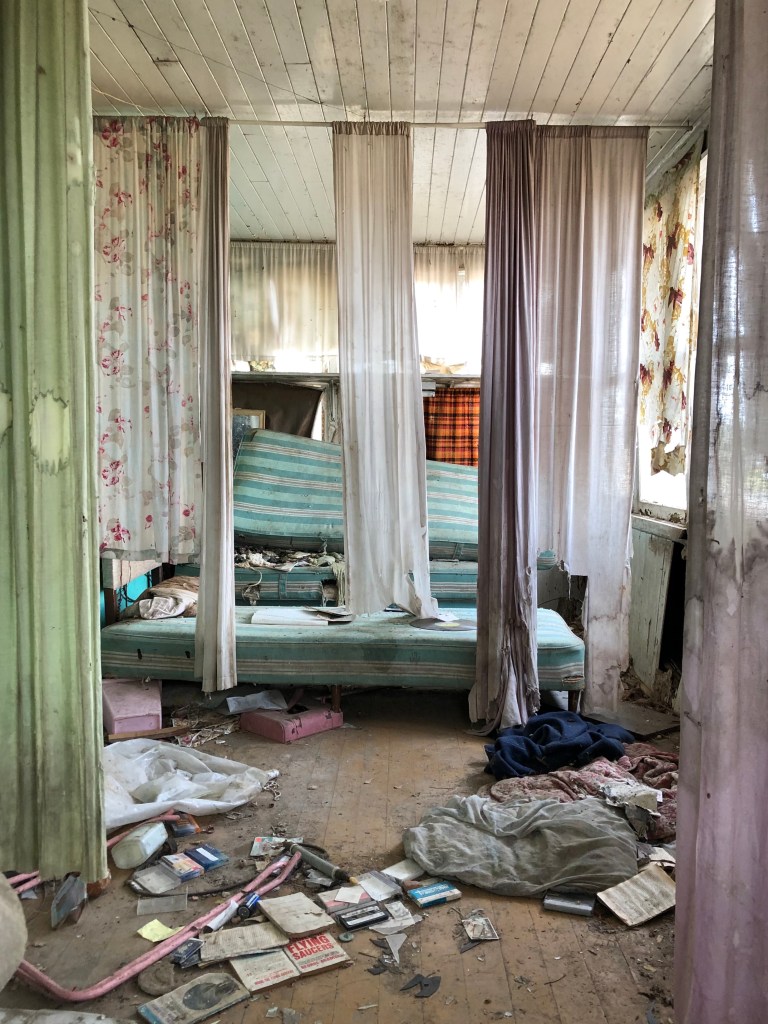
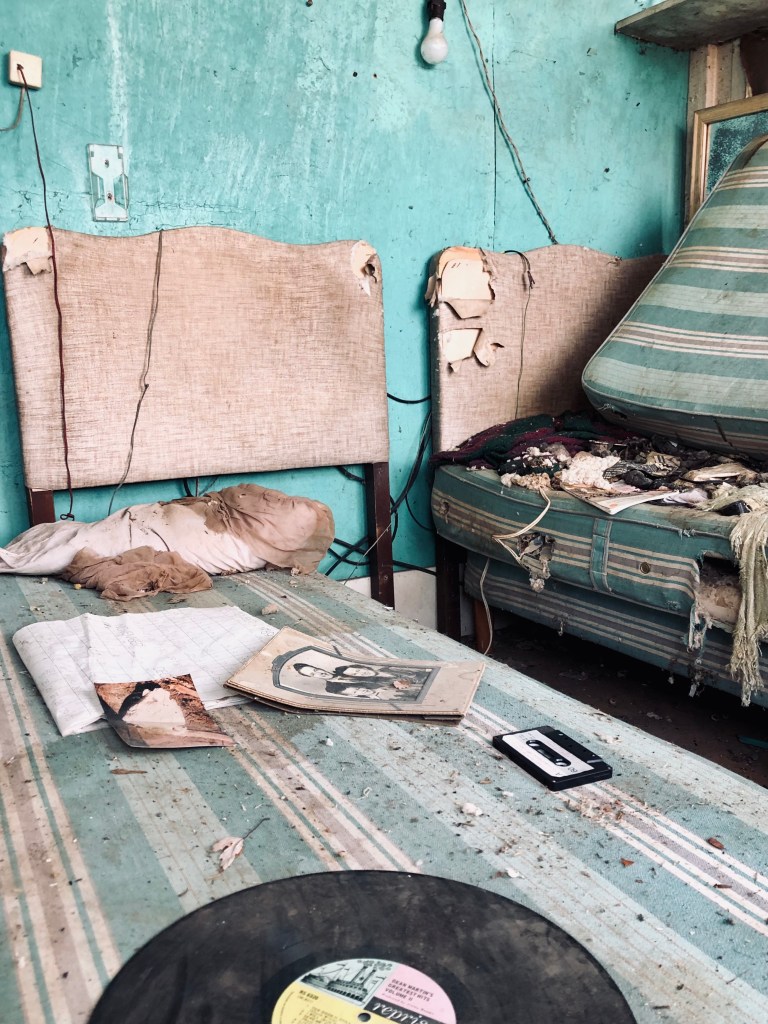
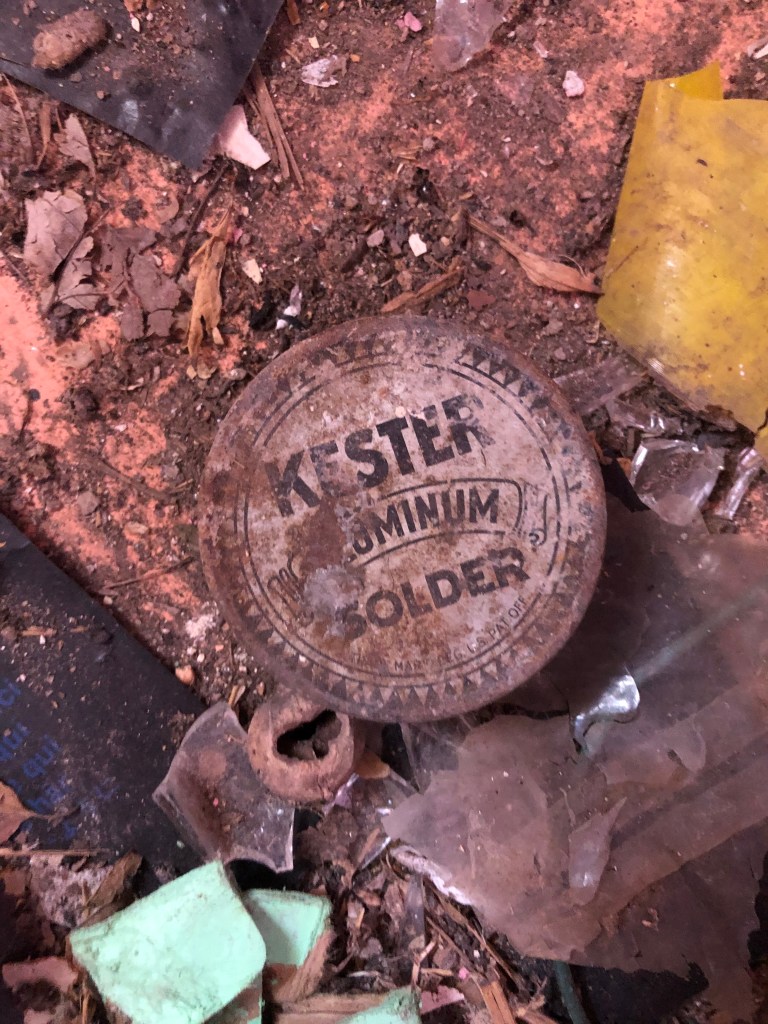
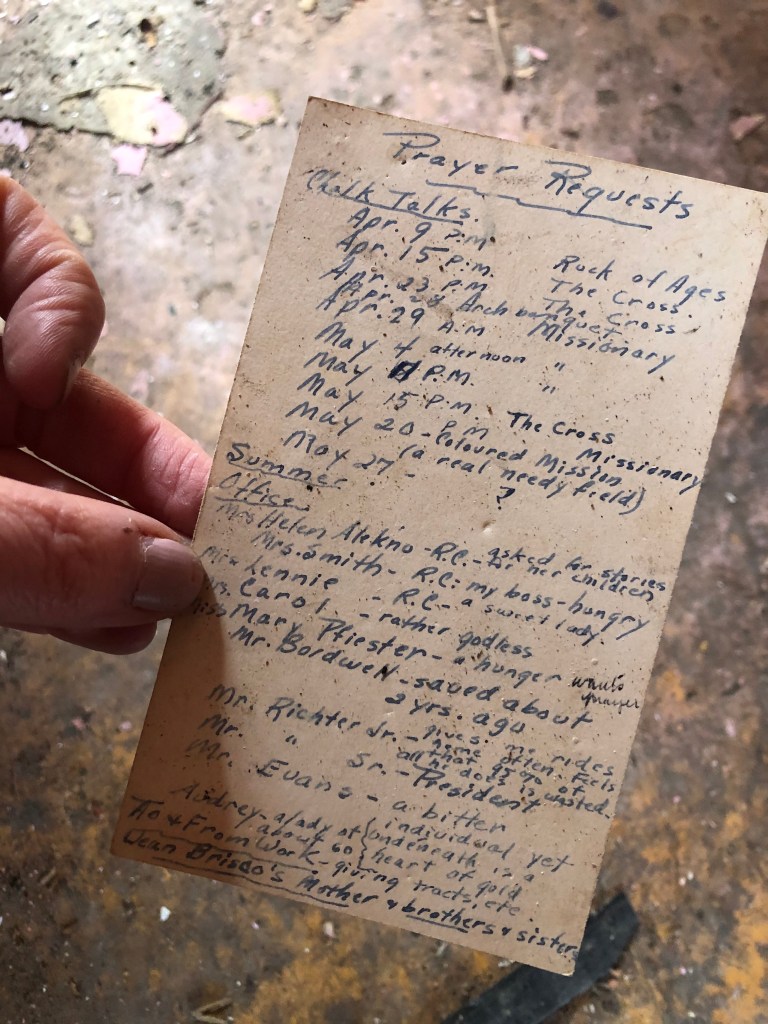
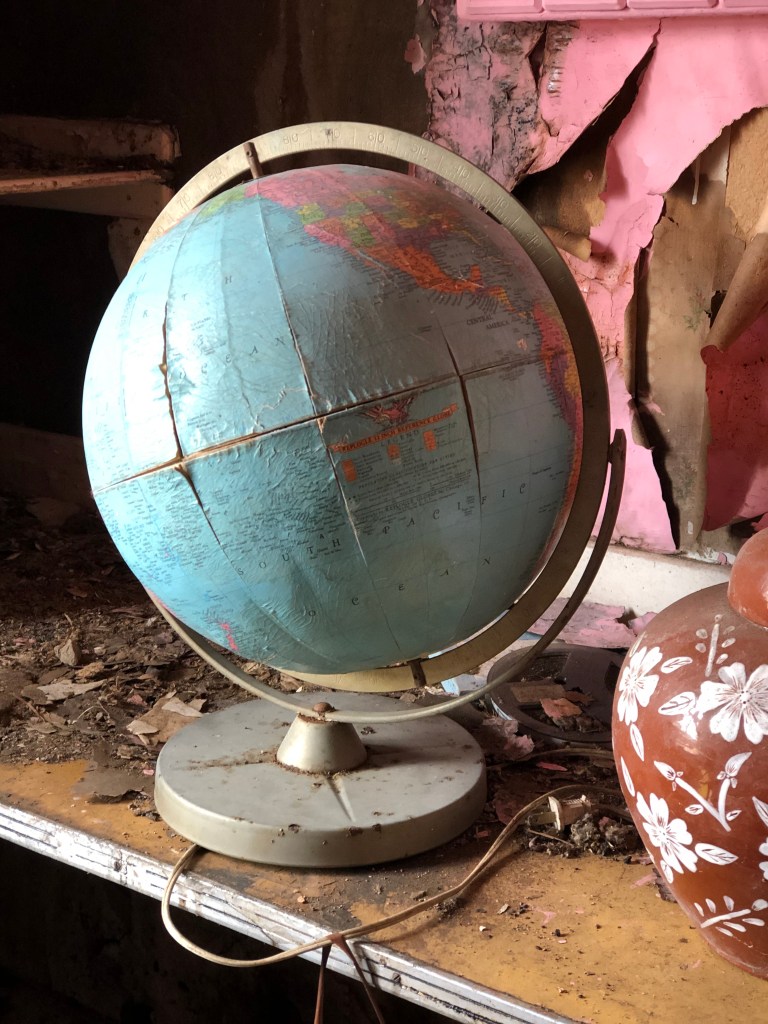
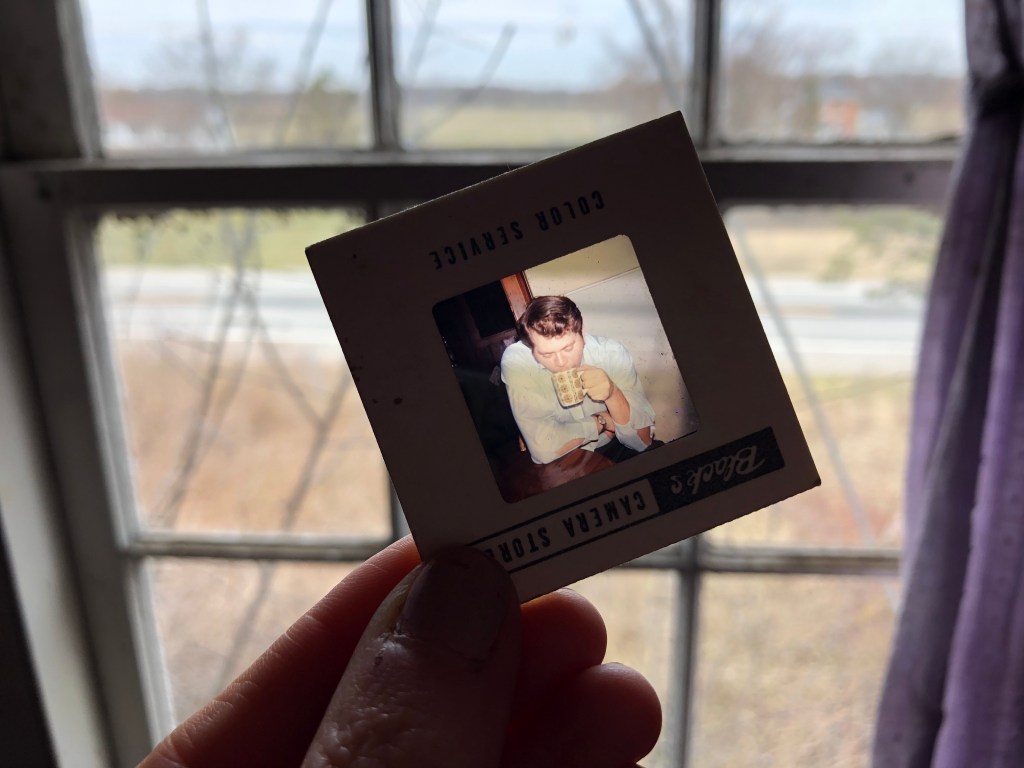
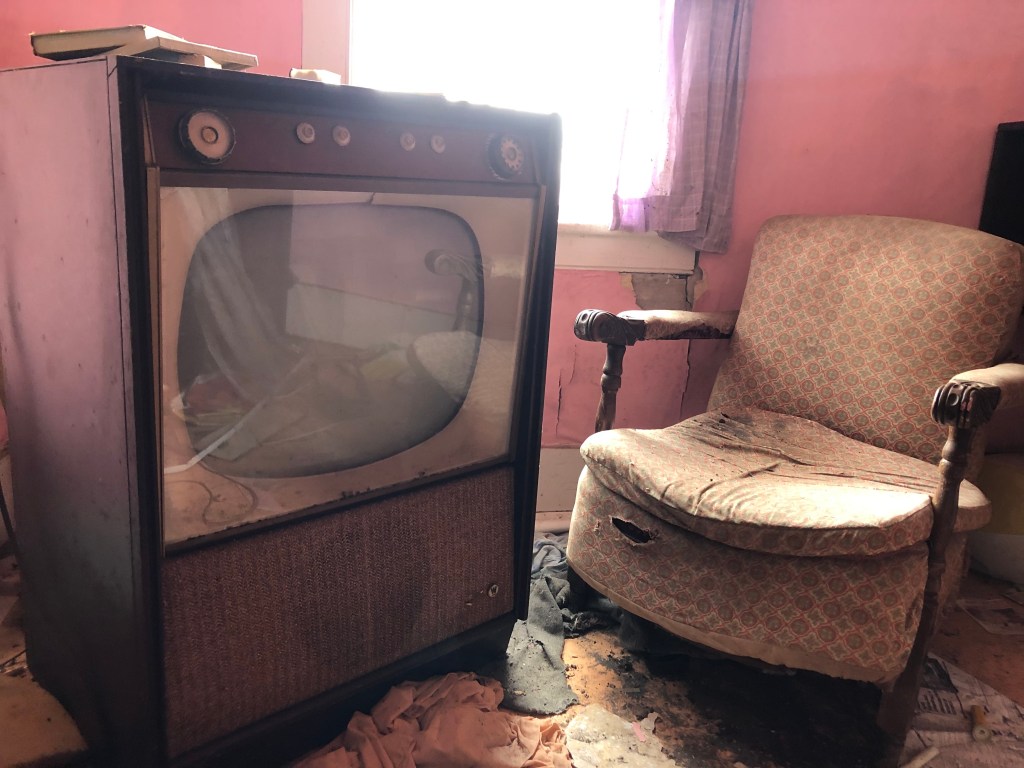
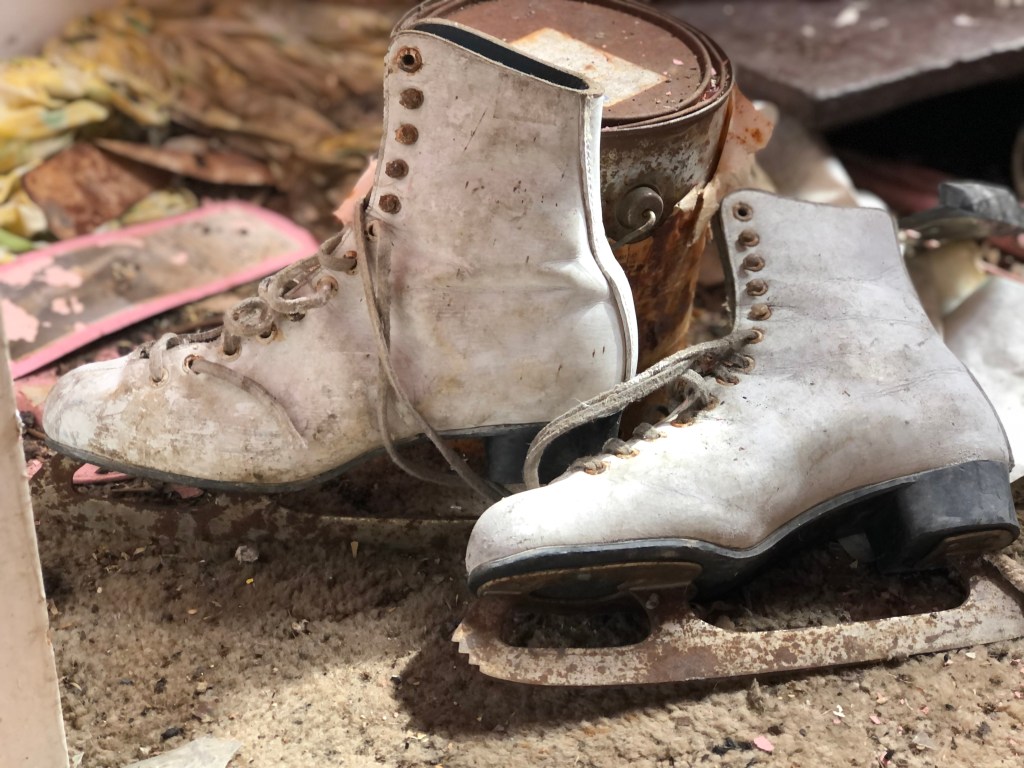
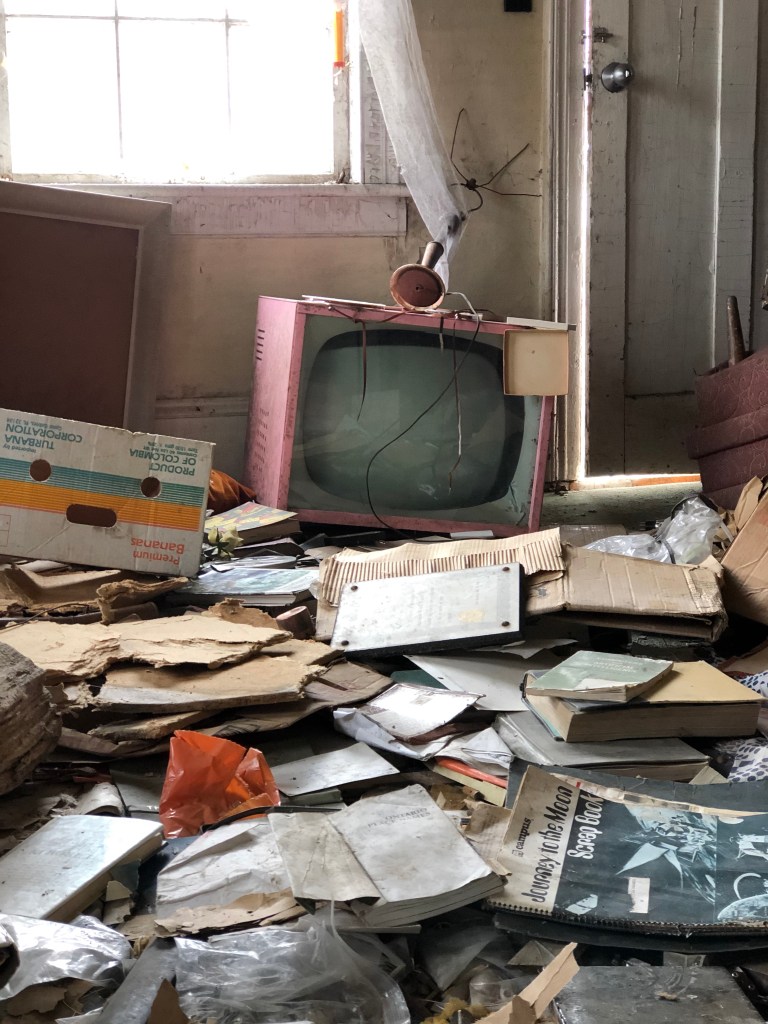
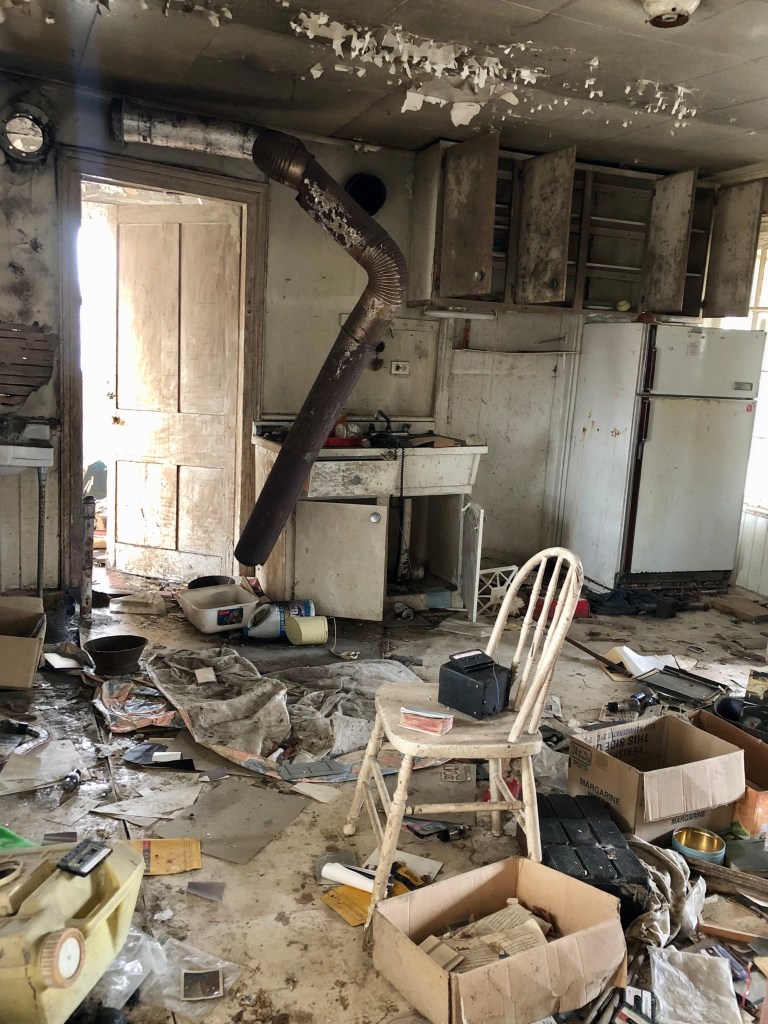

Bips and Bops of the Exterior



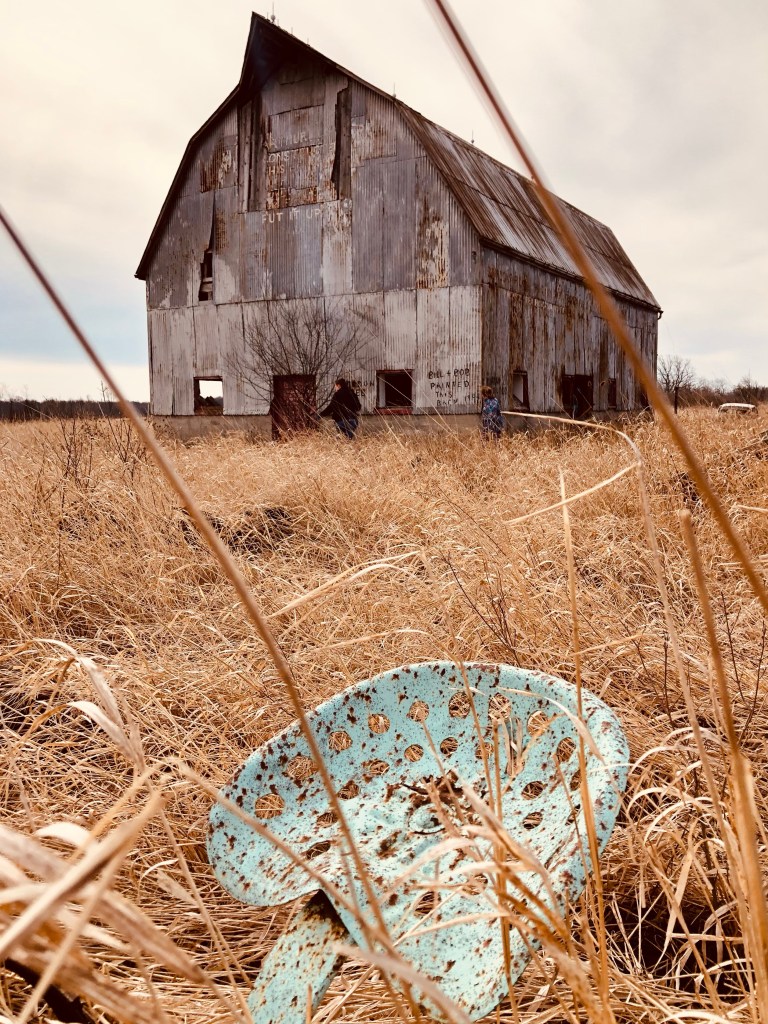


Abandonment, Vandalism, and Loss
The house appears to have remained occupied and functional into the 1990s, with exterior messages added later in its life. After abandonment, vandalism escalated rapidly. What was once a deeply personal archive has been reduced to fragments.
This loss is significant — not because the house was strange, but because it was human.
Conclusion: Humanity Over Horror
Here’s what I do know.
We owe it to Gordon and his family not to judge based on the tiny, incomplete fragments we find by invading a place they once called home. This was their sanctuary — a space where they lived freely, without public scrutiny.
I recently read an excellent piece on this topic over at Dark Blue Journal, and I encourage you to read it as well. It’s a reminder that urbex should be about understanding, not exploitation.
The Pastor Lee House isn’t a horror story. It’s a reminder that people are complicated, private, and often misunderstood, especially after they’re gone.
And I hope we can all just be better.
Sidebar: Property Timeline
The earliest recorded owner of this property — and likely the first settler on the land — was Harmon Haynes, who lived in the area as far back as the 1850s. At that time, he would have been in his 40s, making him part of the earliest waves of European settlement in the region. Documenting changes in ownership after that point is difficult because the constant restructuring of county and township boundaries scrambled records across multiple authorities, making them hard to trace.
We do know that the Lees purchased the property in 1948, buying it from Russell Aden Murphy. Interestingly, in the 1921 census, Russell is listed as living with his parents and is only about 7 years old, which suggests he was born around 1914 and would have been in his mid‑30s at the time of sale. His father in that census was around 30 years old, making him roughly contemporary with Arthur and Esther. Genealogical records show the Murphy family in Canada going back to the 1860s, and their roots appear to have been outside this county rather than local.
In 1952, the land title shows a curious set of “release of legacy” transactions involving a number of seemingly unrelated individuals, each in amounts roughly between $100 and $300. The exact reasons for these releases are not clear from the records themselves. One plausible explanation is that these could have been small legacies left in wills to Arthur and Esther, which were paid directly toward the mortgage rather than being received as cash — a practice not unheard of when people wanted to support a neighbor, friend, or minister. If the Lees were providing hospitality or informal care to others, this pattern fits that social context.
Also in 1952, Arthur and Esther granted a symbolic $1 to the directors of the Veterans’ Land Act. Historically, the Veterans’ Land Act was a federal program that helped veterans — especially those returning from World War I and World War II — to buy or improve farms and homes with financial assistance. It’s reasonable to infer that Arthur’s status as a World War I veteran made them eligible for this support. The return of the $1 in 1964 also fits the pattern of symbolic legal transactions tied to long‑term financing arrangements of the era.
Following Arthur’s death in 1971, there was some title activity recorded, but nothing that reflects a formal sale or grant to another individual. It’s likely that ownership simply passed to Esther as the surviving spouse, and — as often happened — they did not complete a separate title transfer because no sale occurred. Paper title records appear to end around 2008, long after Esther’s death, suggesting that the property was never formally sold. If Gordon were still alive at the time, he might have remained the legal owner. It’s also possible that Esther died without her will having been fully executed, which could have placed the property in a kind of legal limbo — a situation that happens more often than most people realize.
In any case, the available title history shows that no formal sale occurred after the Lees bought the house in 1948, and that the property remained connected to the family for decades, even if the legal paperwork was never fully brought up to date.
Sidebar: Dauphin Connection
Here’s where the story takes an intriguing turn and a personal one for me.
While my urbex partner, Thomas, was going through items in the house, he came across a piece of information that adds a piece to this puzzle. On the back, it reads:
“Donald Lee in centre with girls at Mrs. Chase’s (not in view) house on First Street north of railroad across street from station. Dauphin, Manitoba about 1943. Looking west towards Vermillion River.”
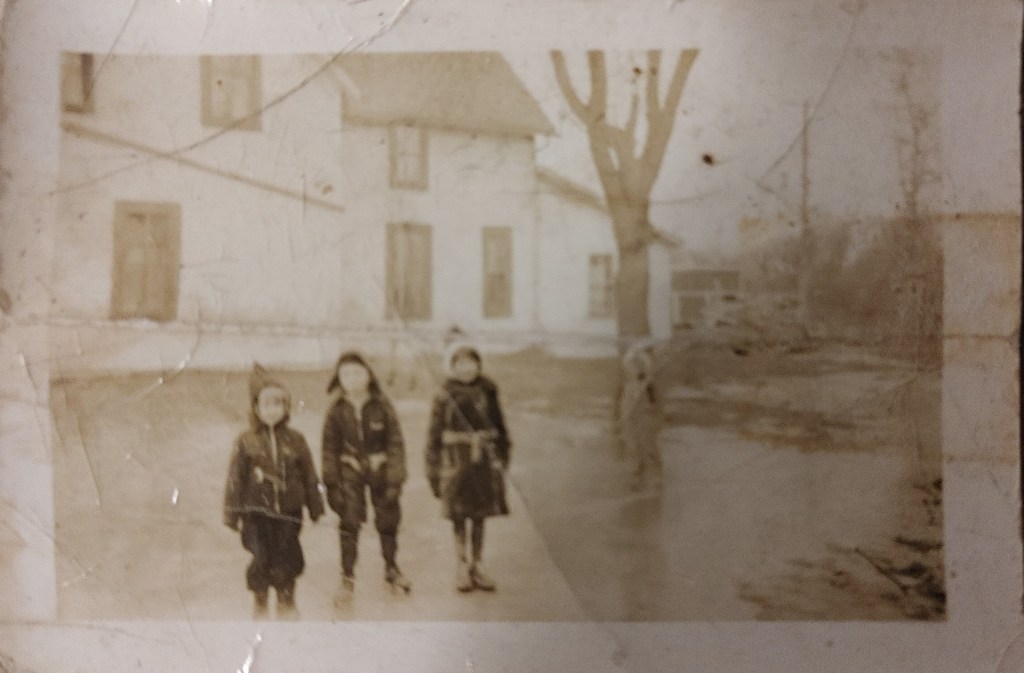
That caught my attention for a very ironic reason: I’m currently (and somewhat regrettably) embroiled in a landlord‑tenant issue with tenants in one of my properties in Dauphin. I lived there for two years, from 2015 to 2017.
Well, isn’t that ironic, a little too ironic? (Thank you, Alanis.)
I’ll be heading back to Dauphin in just a few short weeks to deal with the tenant matter. While I’m there, I’ve decided to dig deeper into what Thomas unearthed. If the Lees really were in Dauphin in the early 1940s, that opens a lot of questions:
- What brought them to Dauphin of all places?
- Was it part of their ministry work?
- Were they living there temporarily before buying the Haldimand County property?
- Did they have connections or community ties there that life in Ontario obscured?
Dauphin isn’t a metropolis even by today’s standards. The surrounding community has a population of the order of 8,000, and back in 1943, it would have been even smaller. To put this in perspective: in 1961, the entire population of Manitoba was only about 921,686, while Ontario, and especially the Greater Toronto Area, had grown into the millions. Whatever took the Lees to Manitoba in the middle of the 20th century was probably not for urban opportunity.
To me, that’s more than just a caption. It’s a historical breadcrumb, a small but meaningful anchor tying the Lee family to a specific place and time far from the Ontario farmhouse they later made home.
So when I return to Dauphin soon, you can bet I’ll be following this trail. I want to find out:
- Whether the house in that photo still exists
- Whether descendants or neighbors remember the Lees
- Whether their time in Dauphin was connected to ministry, family, or some other chapter of their lives, we’ve not yet uncovered
The story of the Lees isn’t over yet, folks, not by a long shot.
Thanks for reading. This has been an amazing exploration, and this is why Thomas and I do these explores. For us, it’s not about being the first to a location, it’s not about taking the best video or the best photos … for us it’s about getting in touch with the people who lived there, their lives, who they were, what happened … for me it’s the connection, and this story is still to be continued.
Stay tuned for Part II of the Lee story –> now completed, click here.
Shout out to Thomas, who was able to locate facts, not just lore, or what other explorers have found and documented, but actual facts, which I have not seen online to date. You rock!



 My Tiny World Corner
Leave a comment