Another awesome #urbex today! I stumbled upon not one, not two, but three abandoned farmhouses to explore. While I actually located 6–7 in a small cluster in the Milton/Oakville area, I’ll focus on these three for today’s post.
Interestingly, while reviewing a Cultural Heritage Assessment Report I found online, I discovered that a couple of these homes are officially listed as having heritage designation. On paper, that should offer them some protection. However, in reality, nothing about these houses suggests there’s any active effort to bring life back into them. Based on what I could see, preservation seems minimal at best, and there are likely limitations to what the heritage designation actually enforces.
It’s hard not to feel a sense of urgency—or even sadness—when exploring places like these. These homes are nearly 120 years old, full of history and character, and yet they risk falling into such a state of disrepair that they may soon be beyond saving.
Property #1 – Hamilton (Flamborough) Area
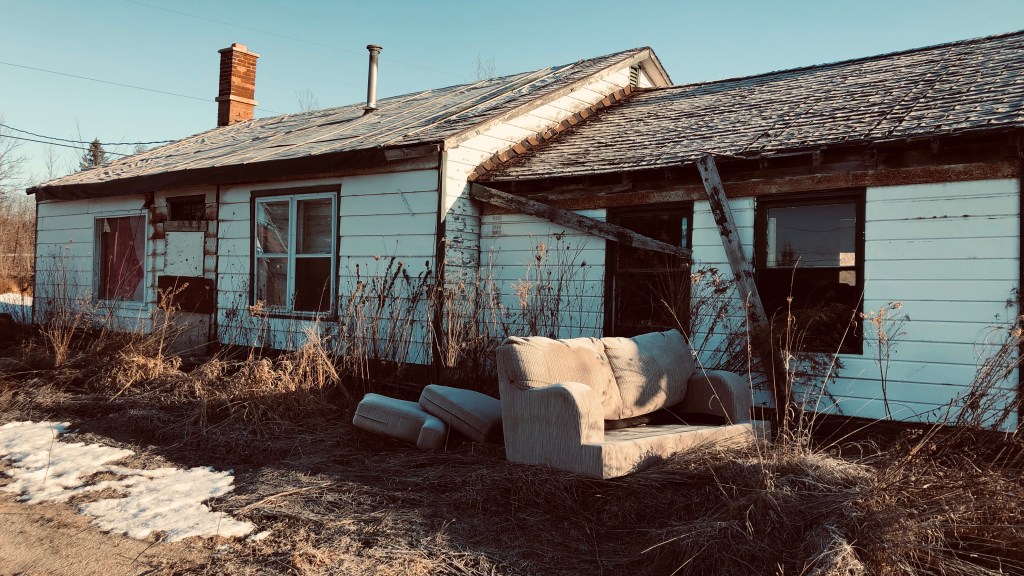
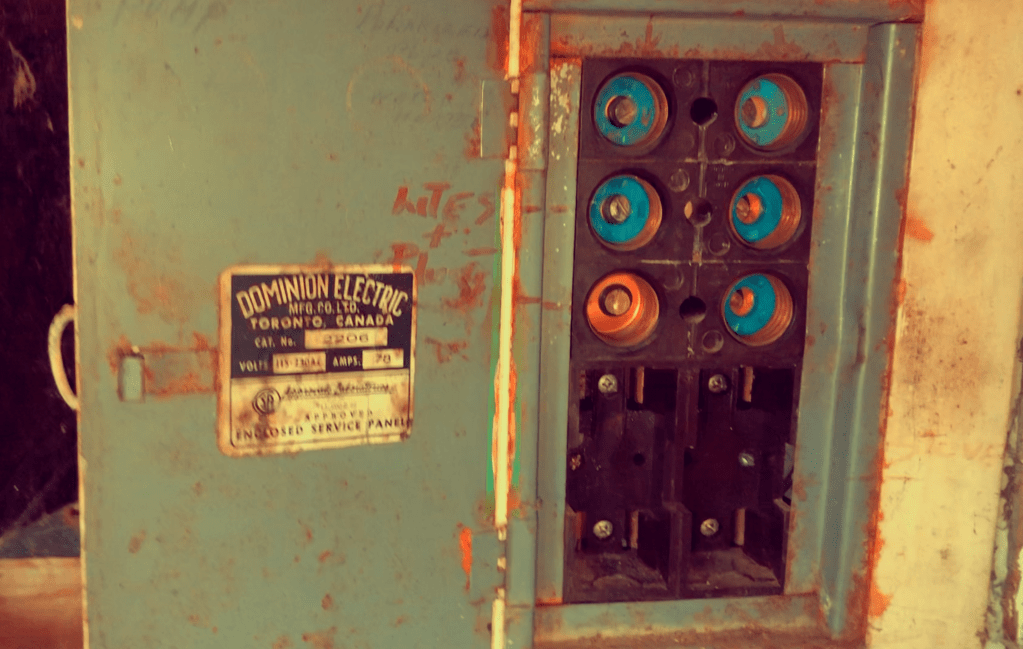
This first property isn’t a heritage home by any stretch, but it definitely has character. Built in phases, the central section appears to be the original core of the house, while the far-right addition seems to have served as a bedroom. You can still make out the exterior walls and door frames of the addition, a quiet reminder of how the home grew over time.
The house shows clear signs of frequent visitors—it looks like it’s been squatted in a few times. Luckily for urban explorers like me, access is wide open, so I could wander around without breaking and entering.
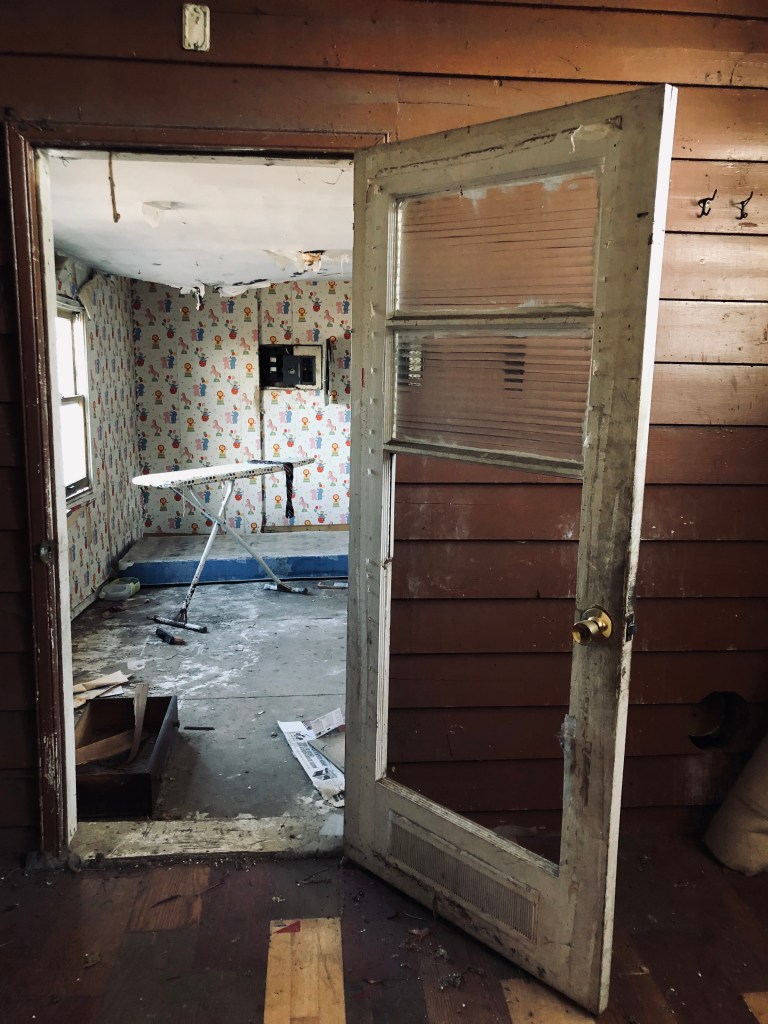
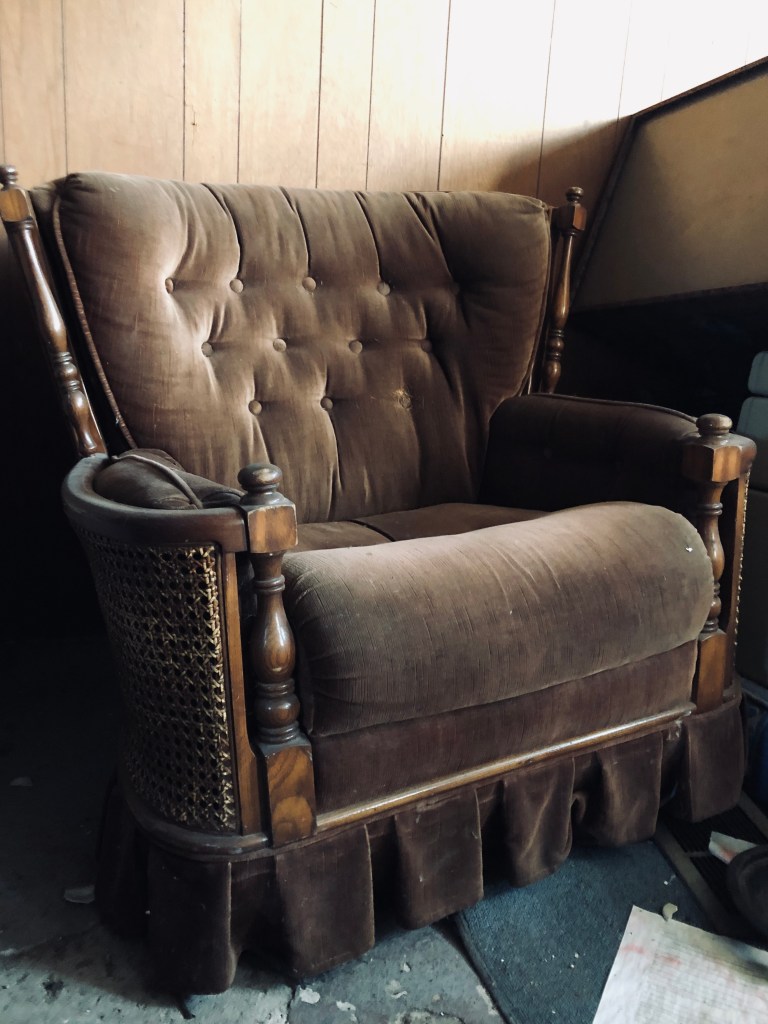
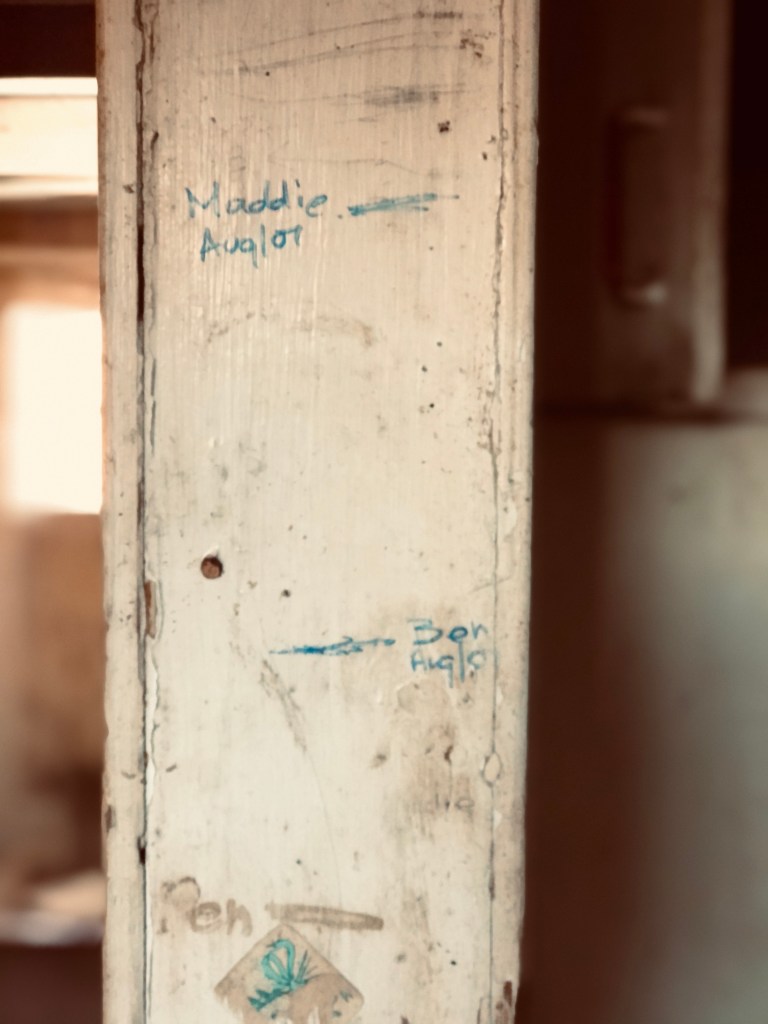
Inside, there are some fascinating remnants of the past. The house seems to have been abandoned around 2007, though this is based on the last height measurements I could find on the kitchen/living room door frame—not confirmed.
Some standout finds include:
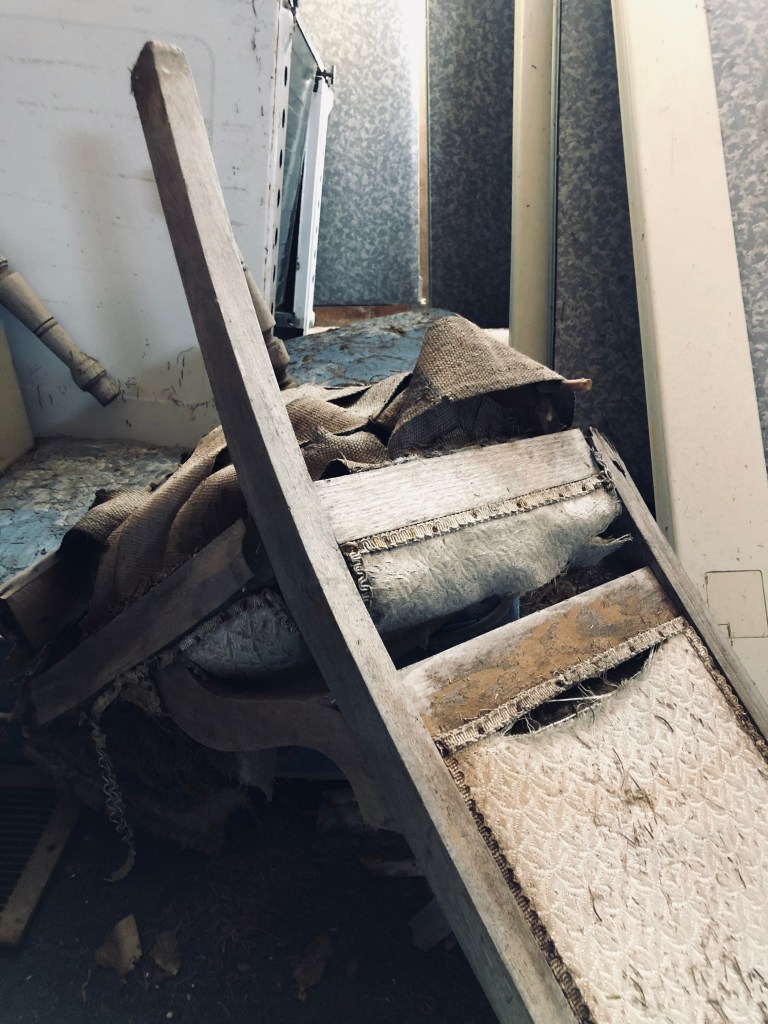
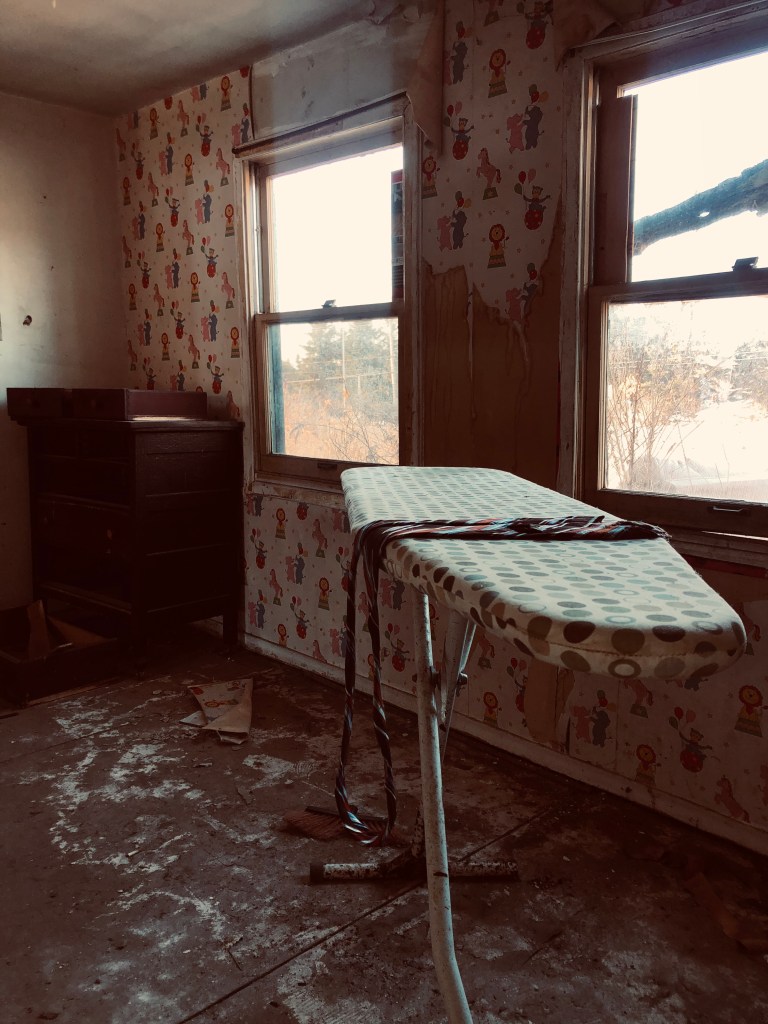
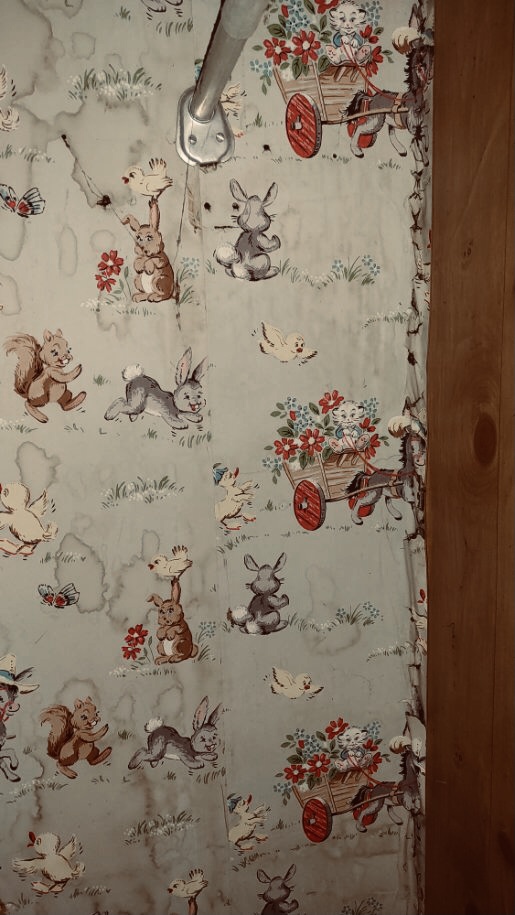
- Interesting wallpaper still clinging to the walls, a glimpse of the home’s former personality.
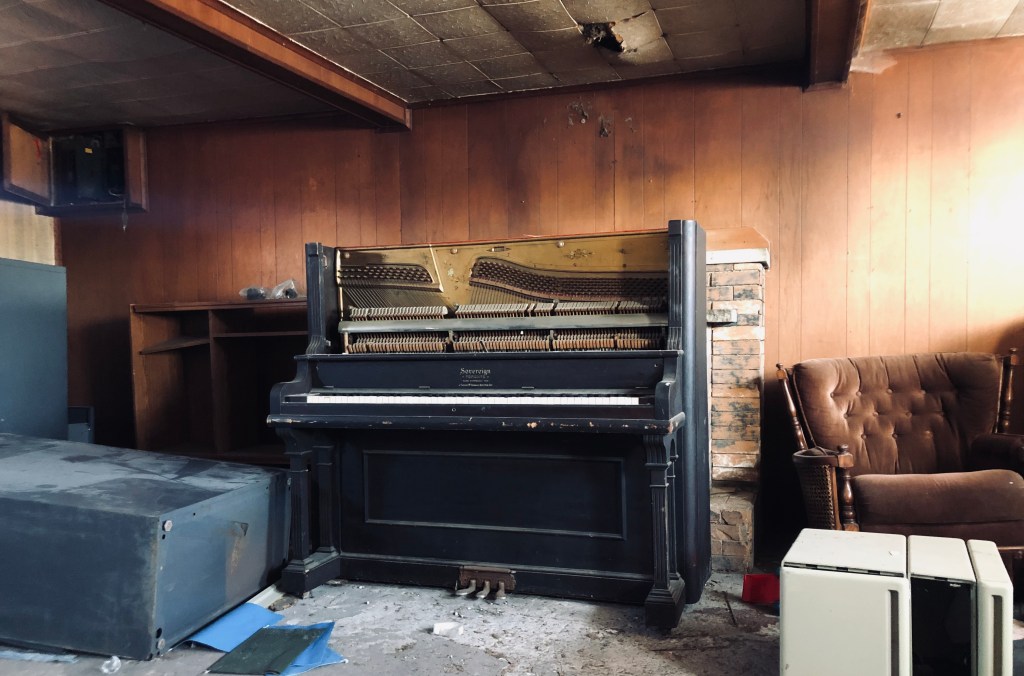
- A Sovereign piano from Toronto, made exclusively for J. Faskin McDonald, Hamilton, Ont. I could only find one reference to him in Music Trades, Volume 58, noting him as part of “Hamilton’s Music Men.” It’s incredible to see such a rare, locally tied instrument still here.
- A beautiful antique dresser—actually, the same style I had back in the day, which gave me a nostalgic jolt.
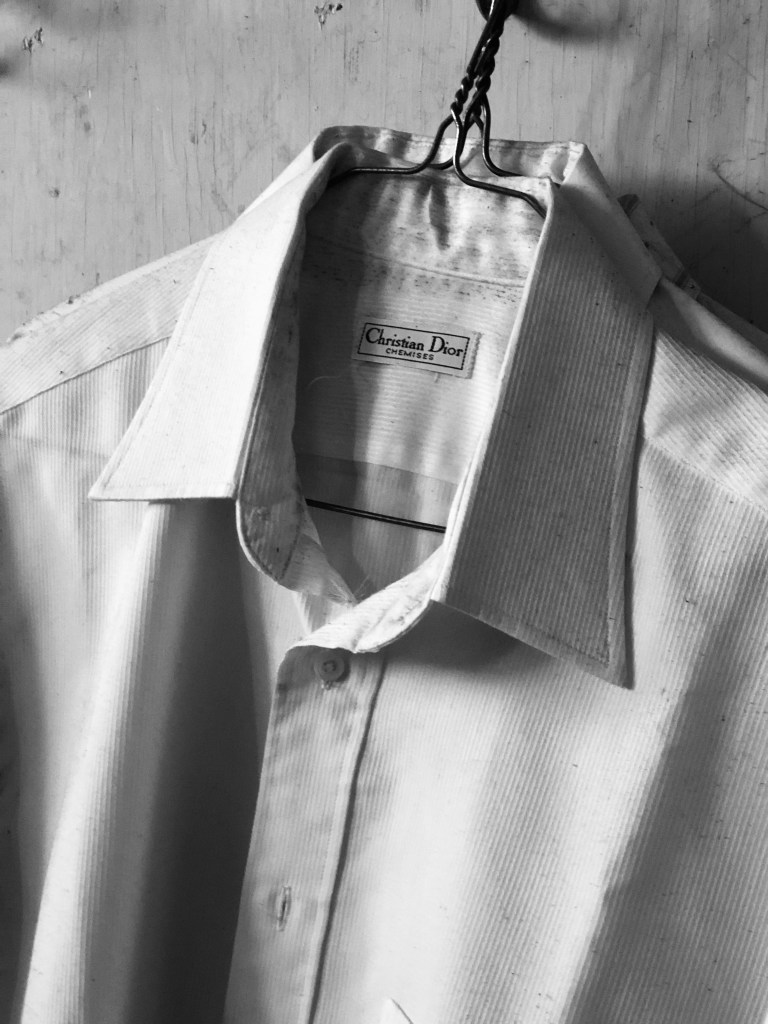
- And the oddest find: a dated pair of men’s dress shoes alongside a Christian Dior men’s dress shirt, quietly frozen in time.
Even without heritage designation, this home tells its own story—layered with history, personal artifacts, and a touch of mystery.
Property #2 – The Auburn Farmstead
This property is an early twentieth-century (c.1905) two-and-a-half-storey brick house that shows clear Queen Anne influences. Its high, wide, and asymmetrical form immediately stands out, with a steeply pitched roof featuring multiple hip and gable lines. Decorative scalloped shingling and a semi-circular window adorn the north elevation gable, while plain lintels sit above the windows and a simple cornice encircles the roofline. A wrap-around verandah stretches across the north and west sides, and exterior brick chimneys punctuate the east and south elevations.
Historically, this was the Robert Emery Hall farmstead and milk house, known as Auburn Farm, situated on what was once a significant rural crossroads — the southeast corner of Derry Road and Trafalgar Road. The property remained in the Hall family for over a century, connecting it deeply to the early agricultural history of the area.
The original barn complex to the north was demolished in 2015, though two smaller gable-roofed outbuildings remain; one of them was filled with junk when I explored it.
The property is officially listed on the town’s Heritage List (approved November 2016) as a heritage landscape, recognizing the farmhouse and barns in a traditional farmstead setting. That said, heritage listing in Ontario identifies historical significance but does not require active preservation or prevent demolition. While the designation highlights its value, it offers little protection or funding for restoration.
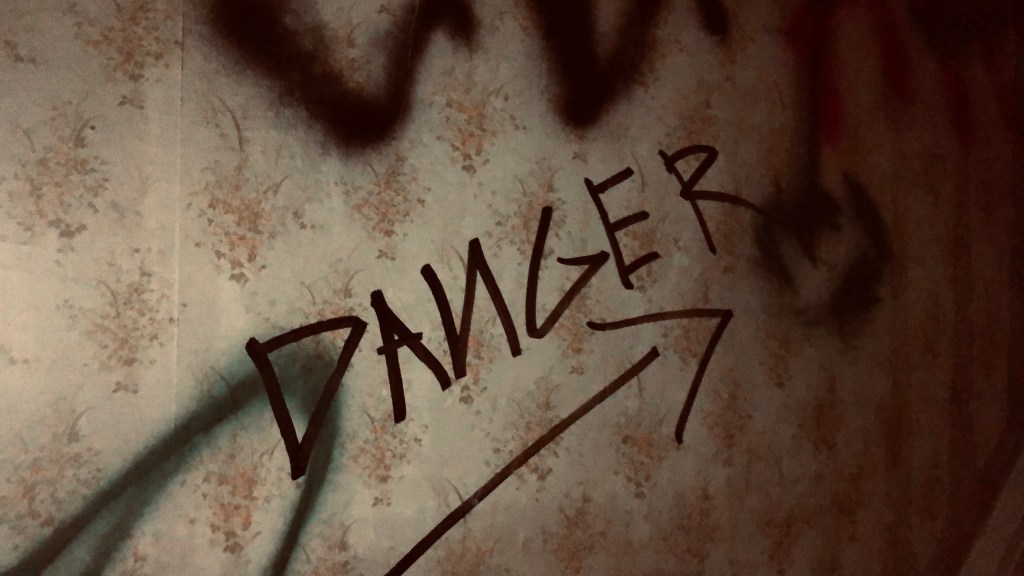
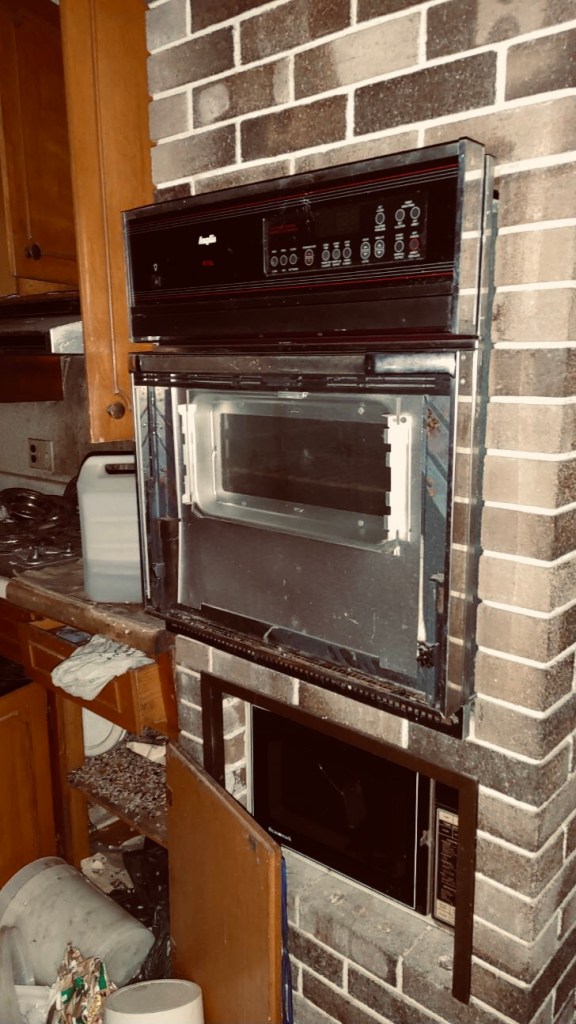
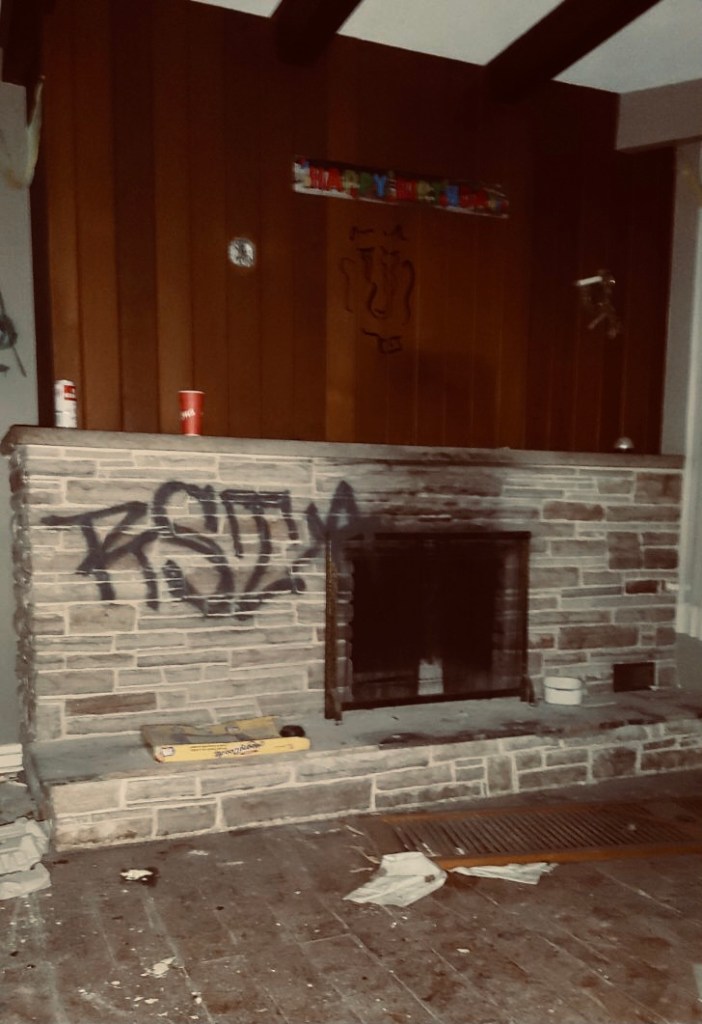
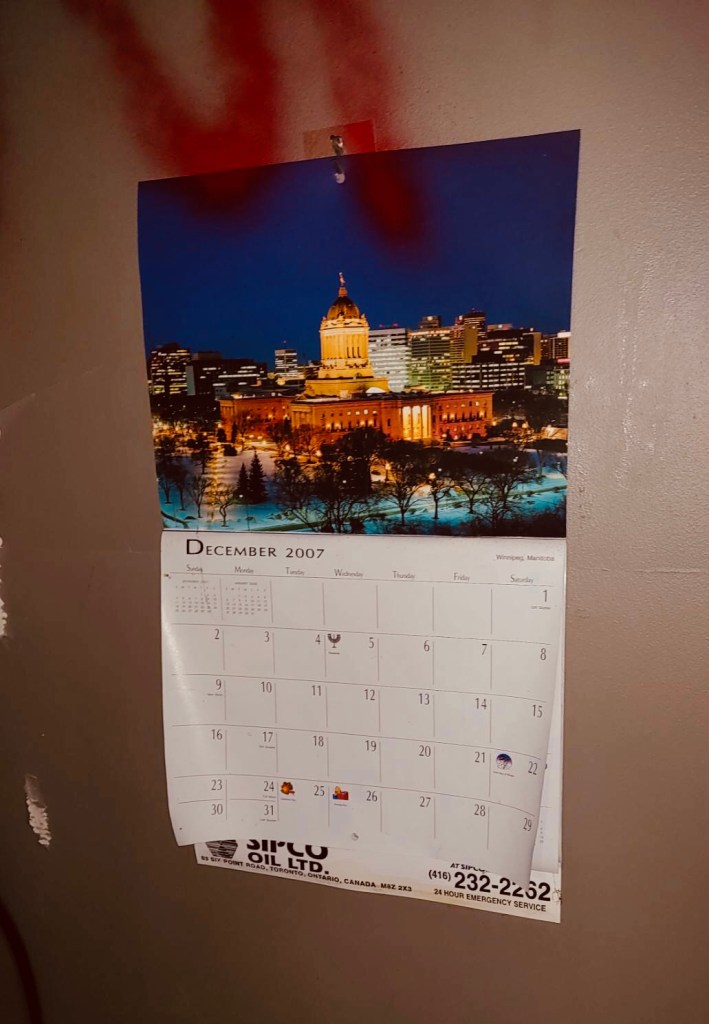
Inside, the house appears ransacked and vacant, having been so since around 2007, with the last calendar I found marked December 2007. The kitchen has a distinct 1970s/80s vibe and is heavily vandalized, with broken cabinetry, scattered debris, and graffiti covering the walls.
One particularly interesting feature is the servant’s quarters at the rear, with a staircase that leads directly to the kitchen, bypassing the main bedrooms. This rare architectural detail gives insight into the way domestic life was organized over a century ago.
Even in disrepair, the Auburn Farmstead retains architectural charm and historical intrigue, serving as a sobering reminder of how fragile these heritage properties can be when left vacant and neglected.
Property #3 – Heritage-Listed Farmhouse and Barn
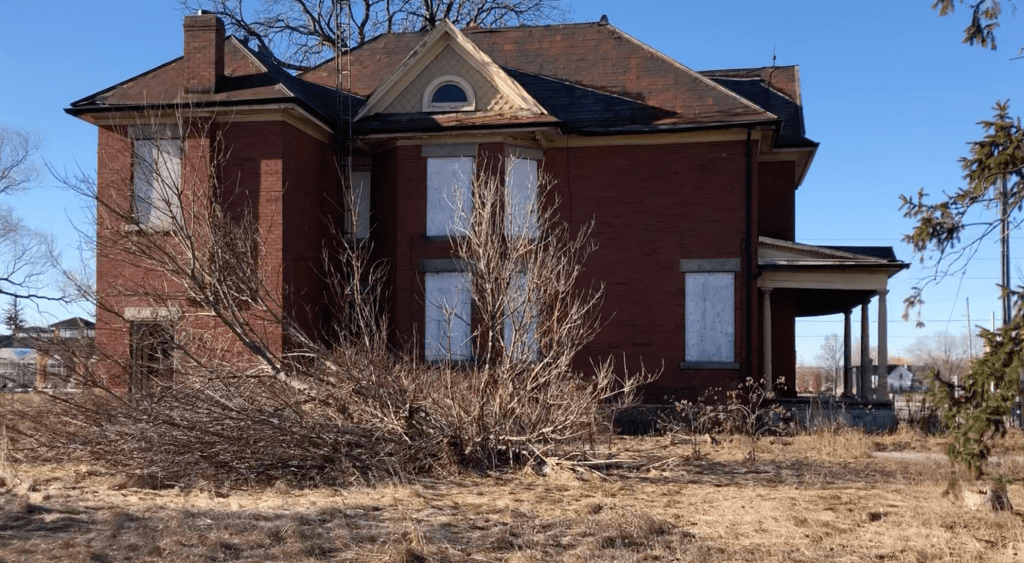
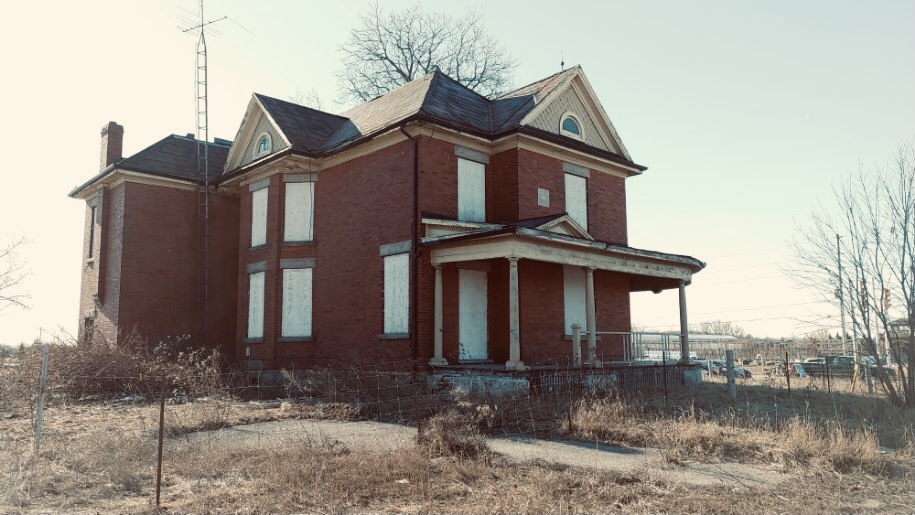
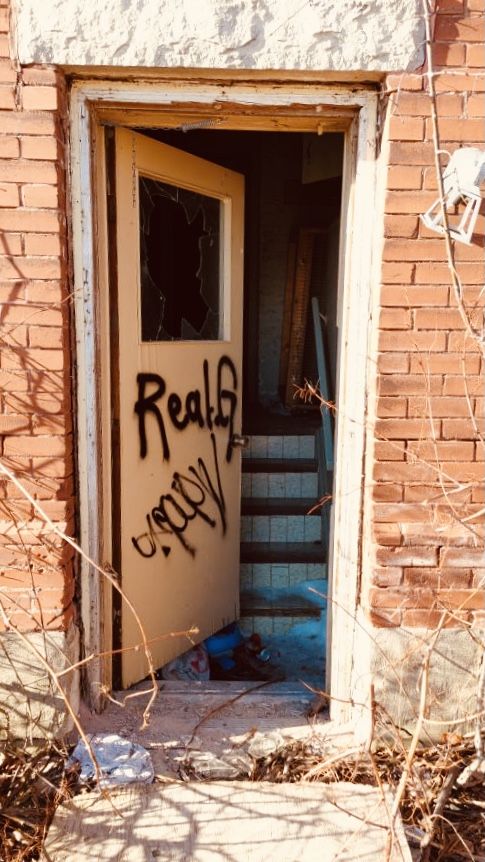
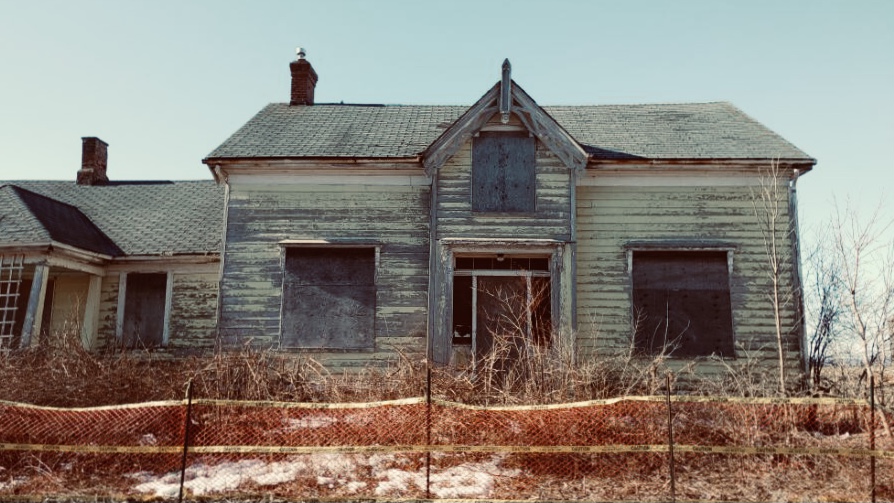
This farmhouse has been abandoned and boarded up, with much of the original landscaping removed over the years. While there was an entry at one point, it has recently been re-boarded, so we were unable to enter, which is fine.
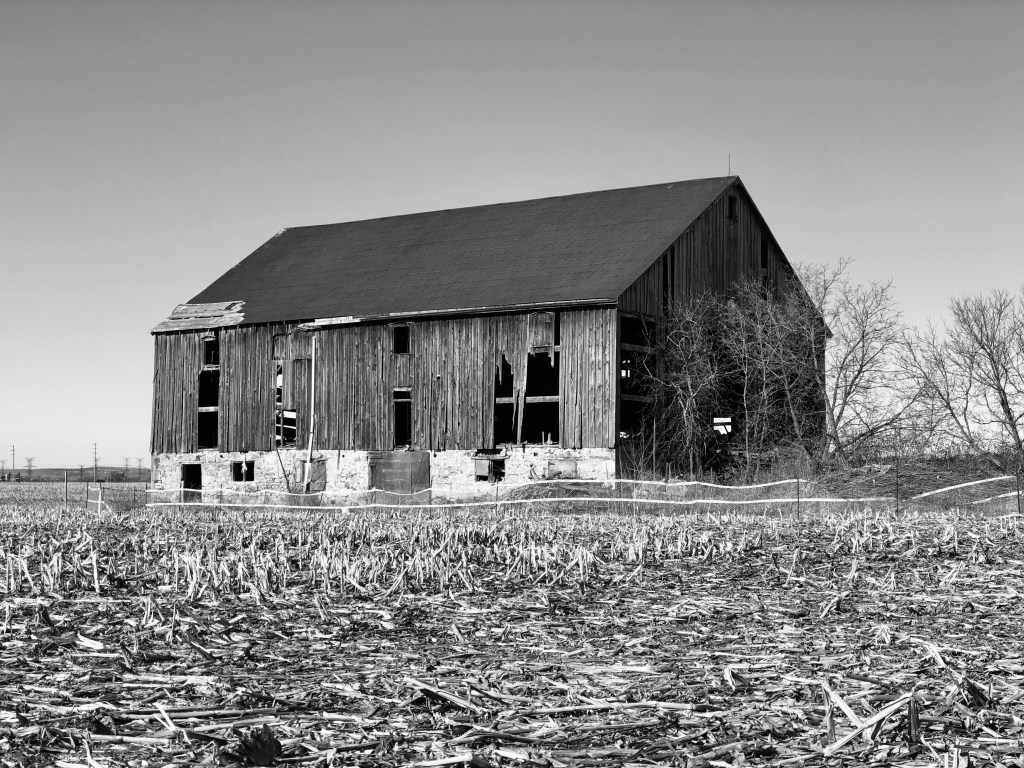
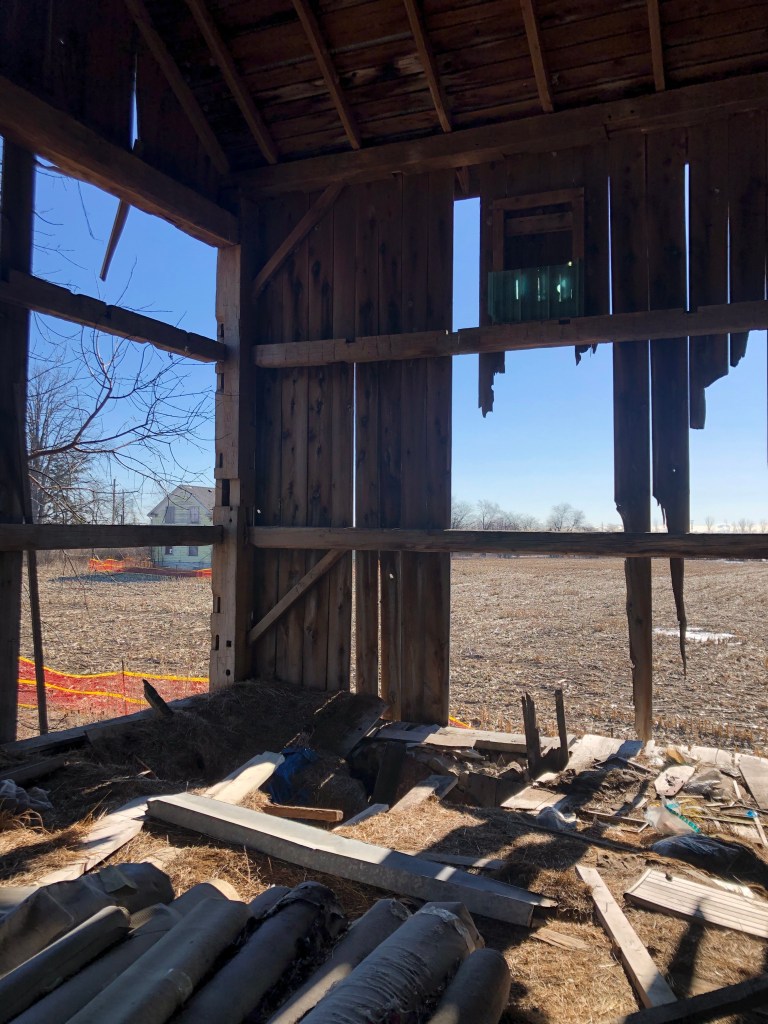
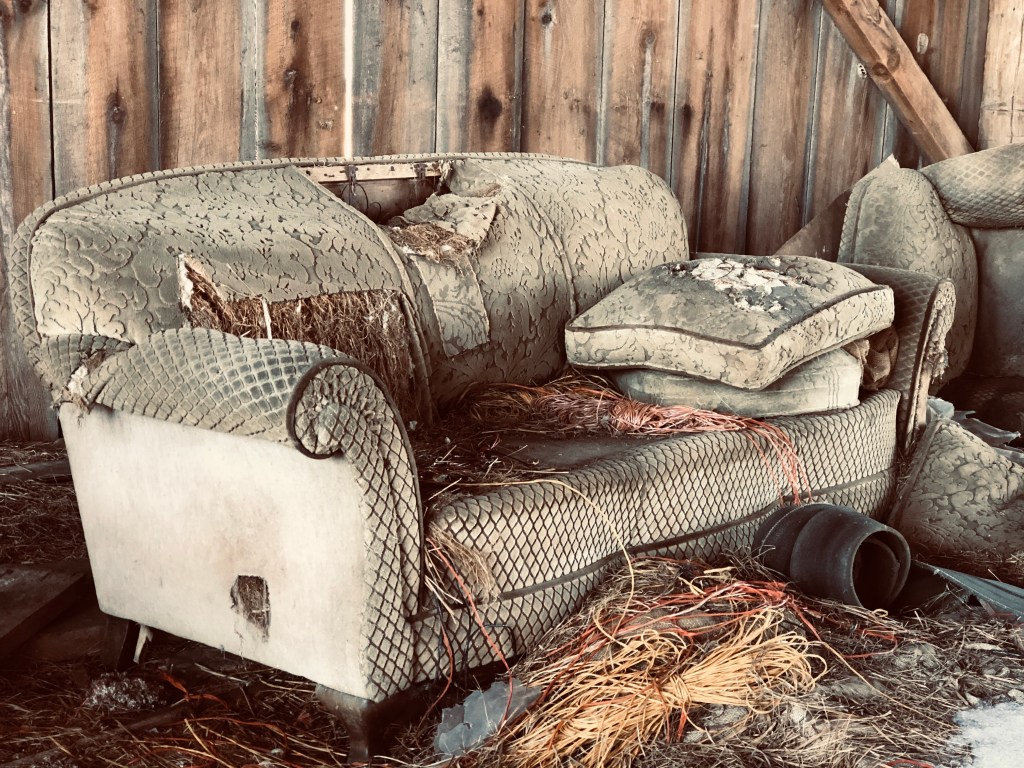
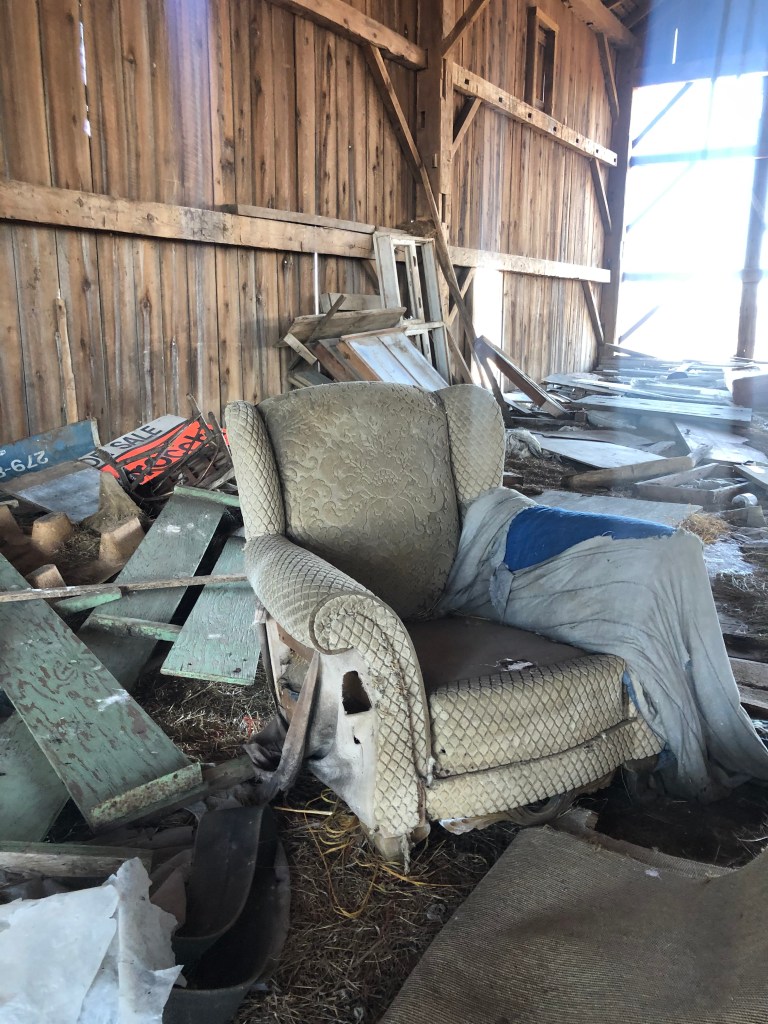
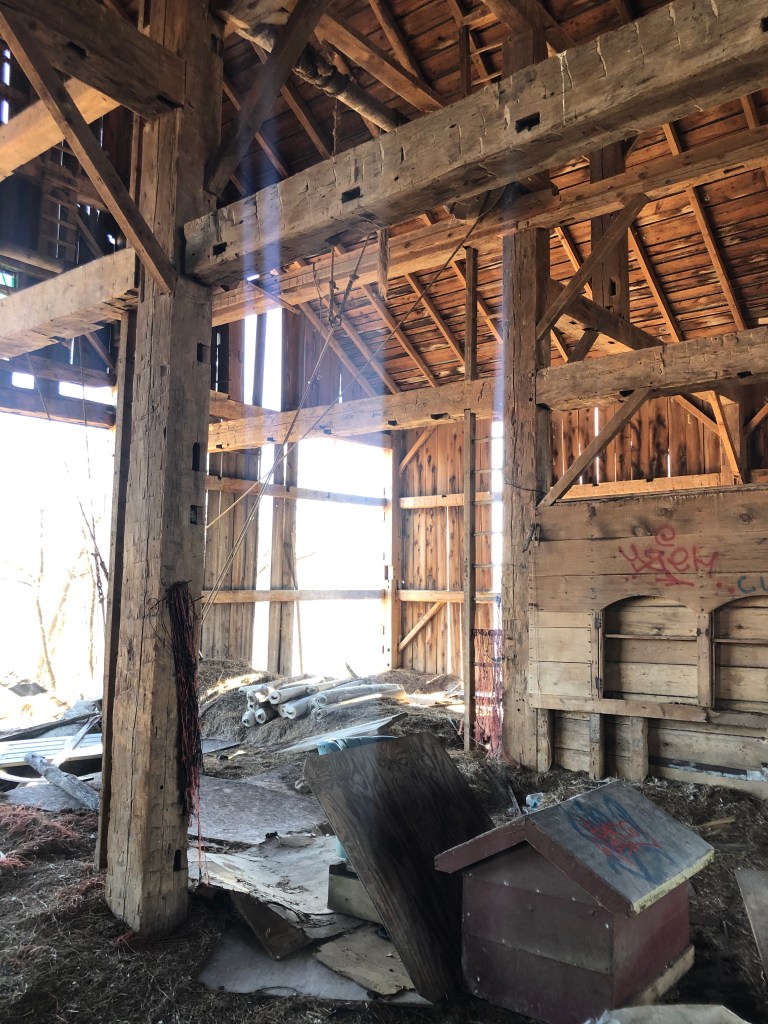
The standing barn, however, was wide open, giving us a chance to explore. Its wooden frame, old hardware, and lingering scent of hay and earth tell a story of real farm life long after the farmhouse was left behind.
The property is listed on the Town of Milton’s Heritage List as of November 2016 as a heritage landscape, comprising a farmhouse and barns in a traditional farmstead setting. Being on the list recognizes its cultural heritage value, but unlike formally designated heritage properties, it does not guarantee active preservation or protection from alteration or demolition.
Even boarded-up and neglected, the property quietly evokes the history of rural life in the area, standing as a reminder of a bygone era when farms like this were the backbone of the local community.
Stay tuned! More urbexing coming soon …. If you’re an urbexer out there – comment below.


 My Tiny World Corner
Leave a comment