This urbex had a personal feel for me. Not only is it a well-known and loved staple in the core of my hometown, but the very first house I ever bought in 1999 was right across the street—about 200 meters away. The smell of BBQ would waft over our yard every afternoon for the two years we lived there. Sometimes, if the air wasn’t moving, it sat thick and heavy.
Living so close to a factory has its moments. I recall being awakened in the middle of the night by a police officer knocking at the door, asking us to evacuate as there was a leak at the plant. I assumed it was an ammonia leak from one of the AC or refrigeration units. Hundreds of night-shift workers were also evacuated while firefighters contained the leak. We returned home the next morning, opting not to wake the kids from their sleep at Nana’s.
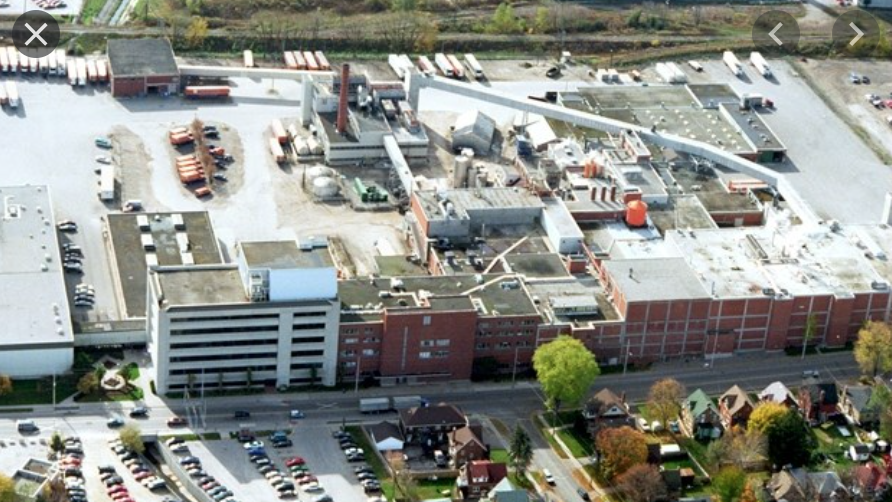
The plant itself has a fascinating history. The company was founded in 1886 by John Metz Schneider, a Canadian who had injured his hand on the job at the Dominion Button Works factory. Unable to work, he and his wife began making sausages, selling them door-to-door. They continued this even after he returned to work. The recipe was based on one his mother used for pork sausage.
In 1924, he expanded the operation into a butchering service and retail store next to his home. Built in the 1890s, the original structure was designed to look like a home in case the business failed. At the time, the location was on the outskirts of the town, then called Berlin. The company survived the Great Depression and grew to become one of the largest meat producers in Canada. It specialized in wieners, luncheon meat, sausages, pepperettes, and other delicatessen products, and was the first company in Canada to introduce vacuum packaging.
The Courtland Avenue plant, where I explored, expanded over the decades into a sprawling industrial complex with multiple buildings dating roughly from 1918 to the 1970s. For generations, it wasn’t just a workplace—it was a community hub, employing families across multiple generations.
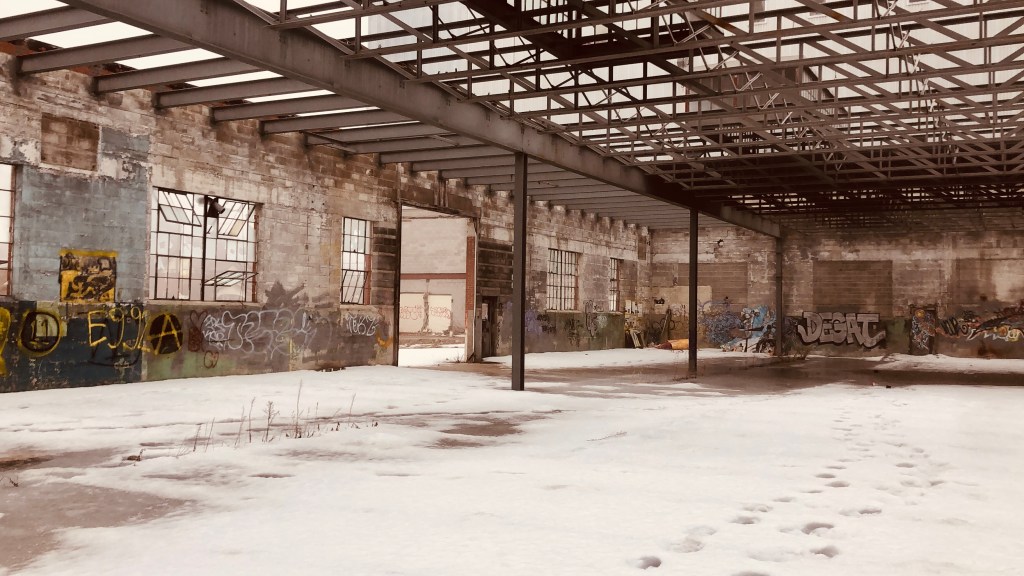
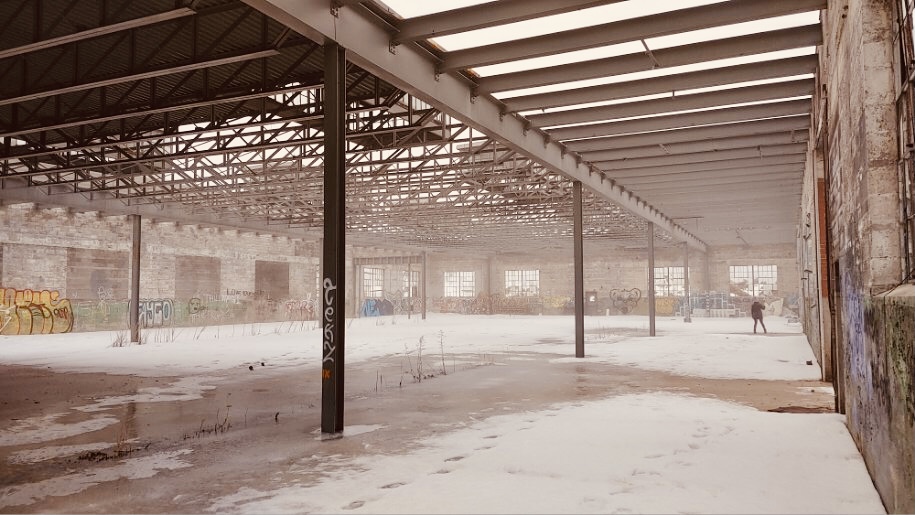
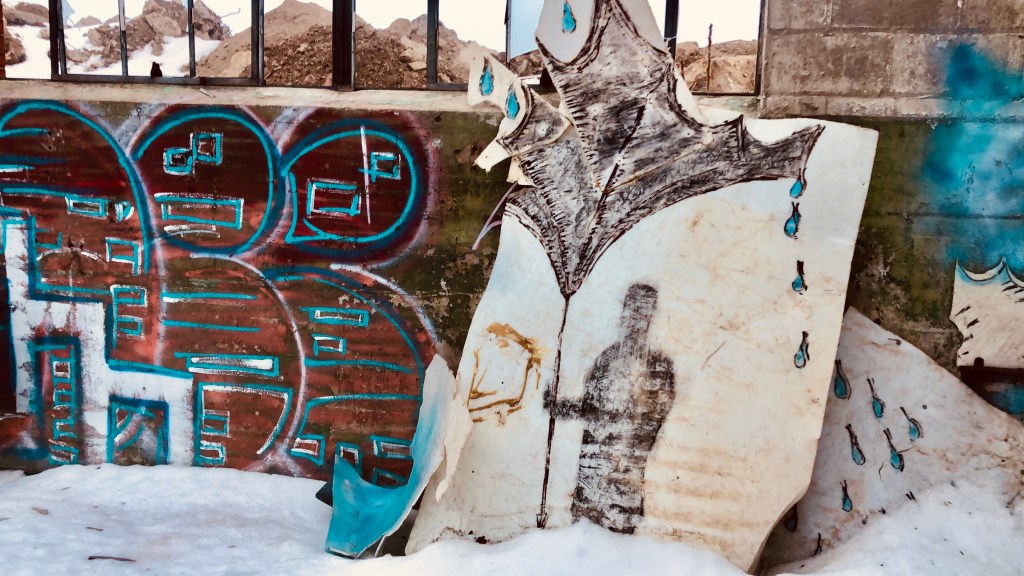
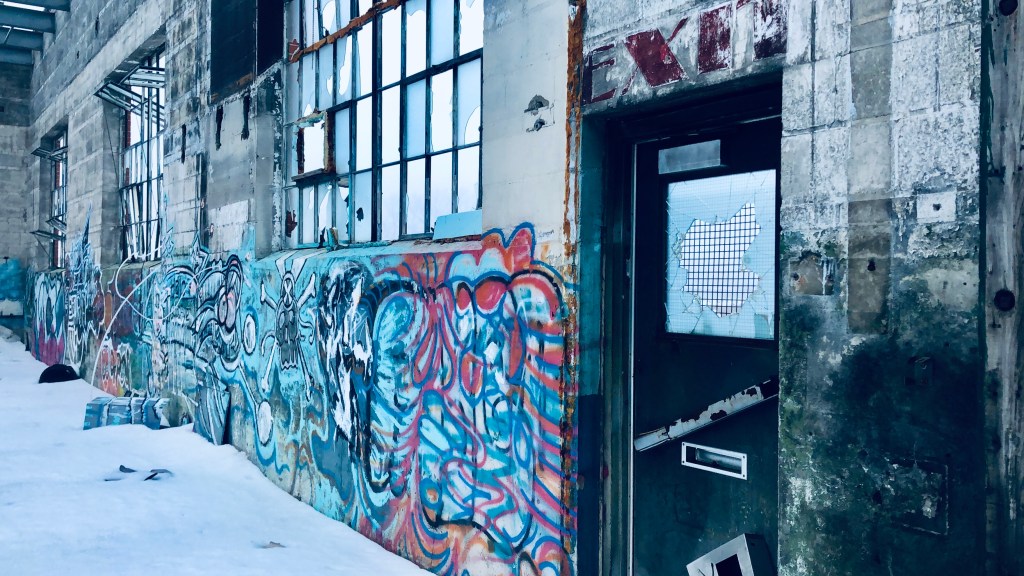
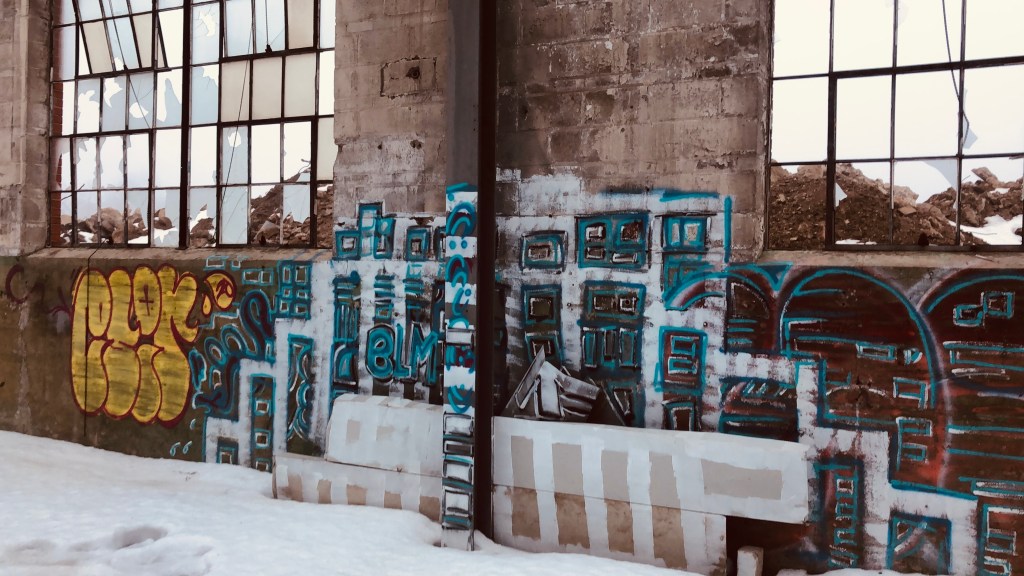
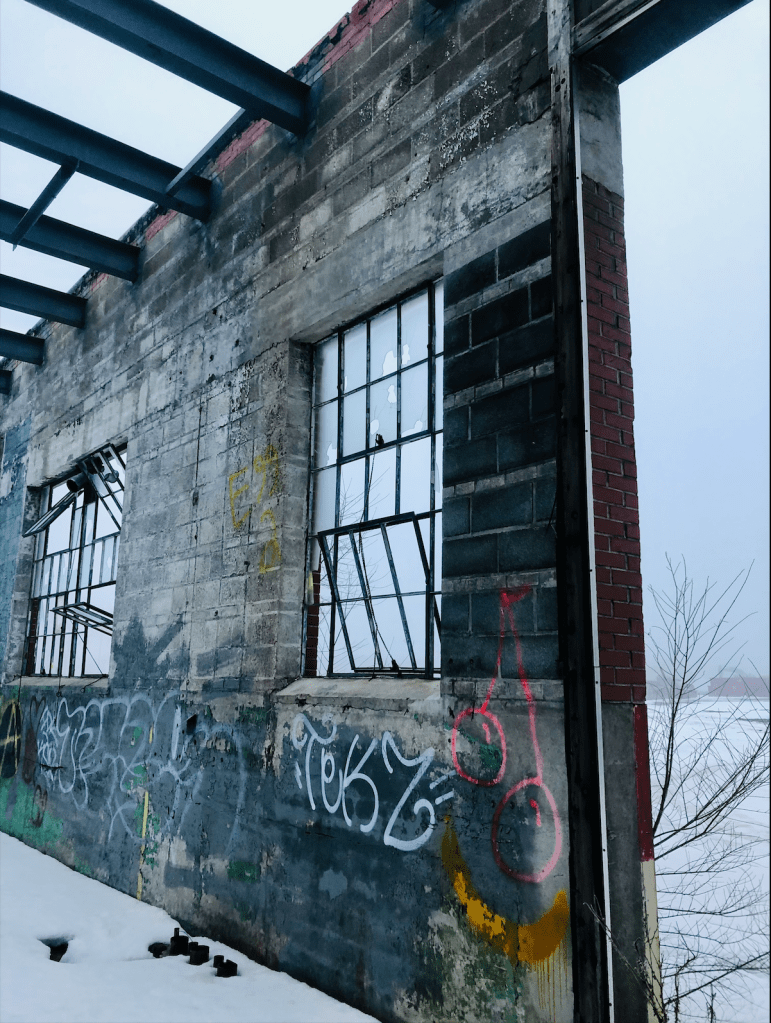
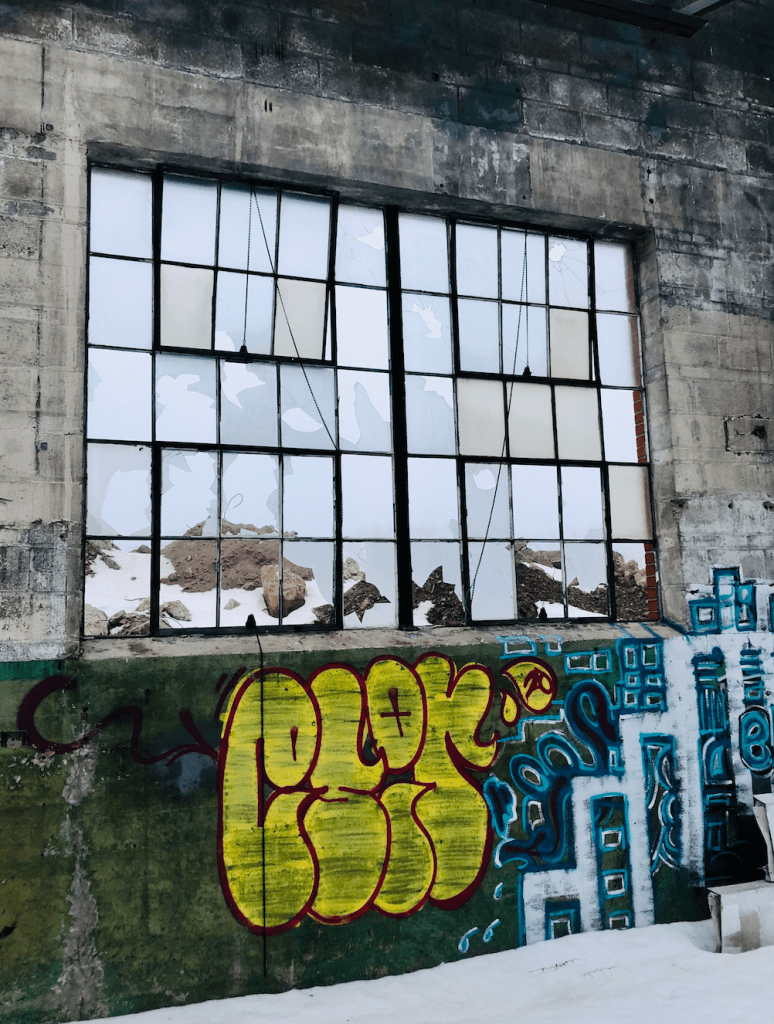
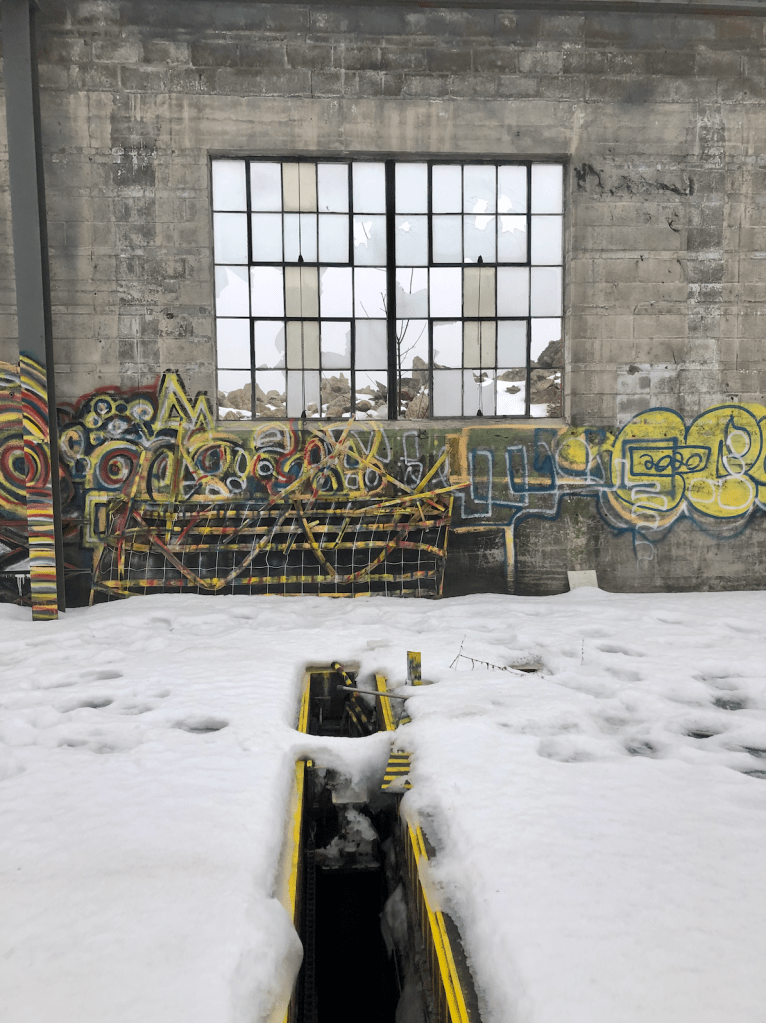
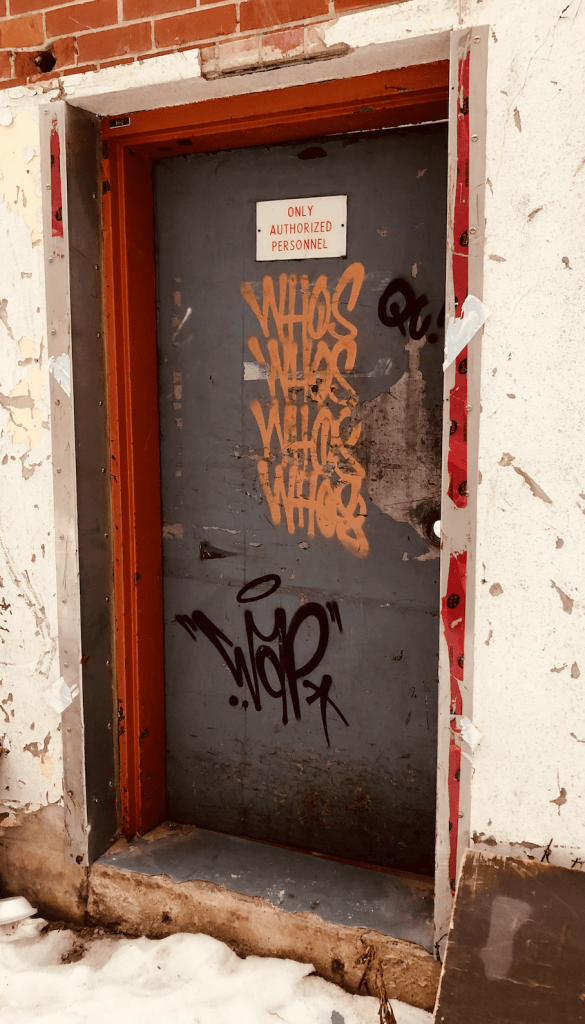
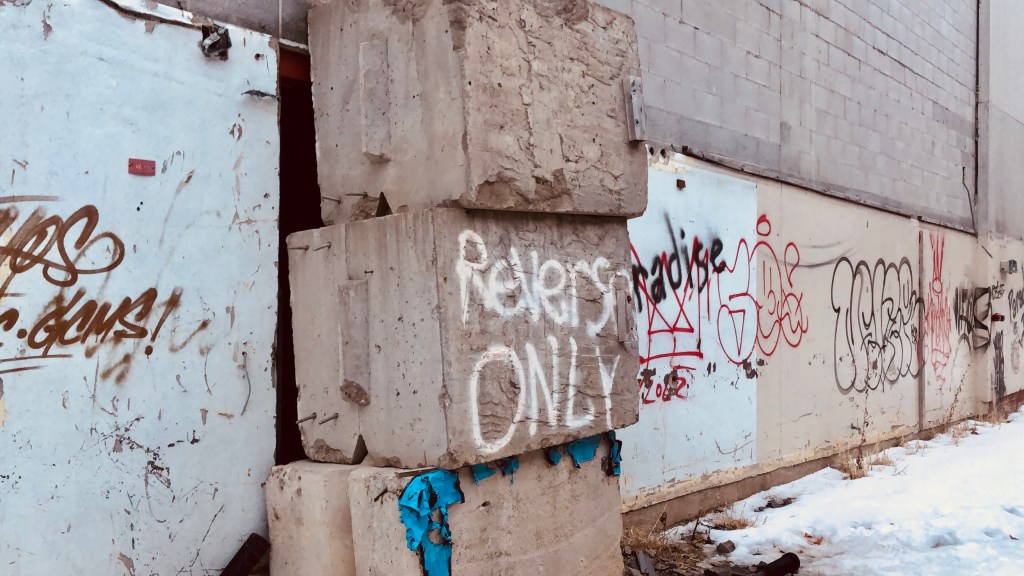
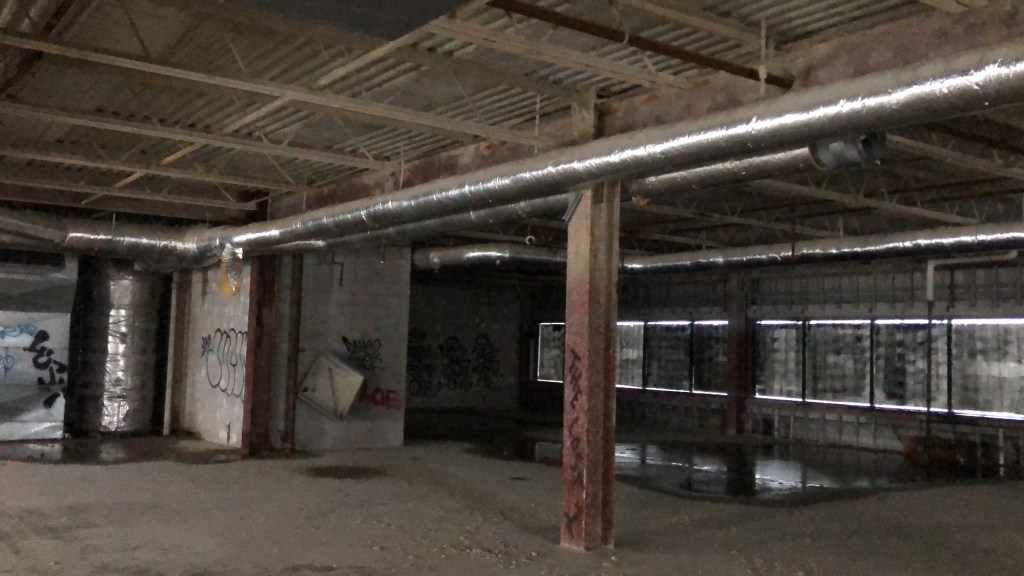
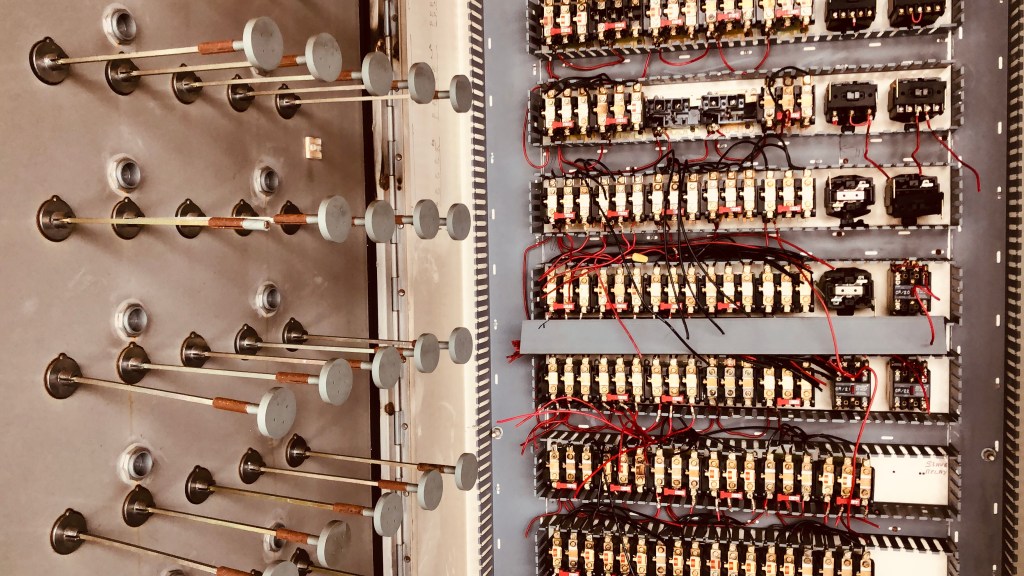
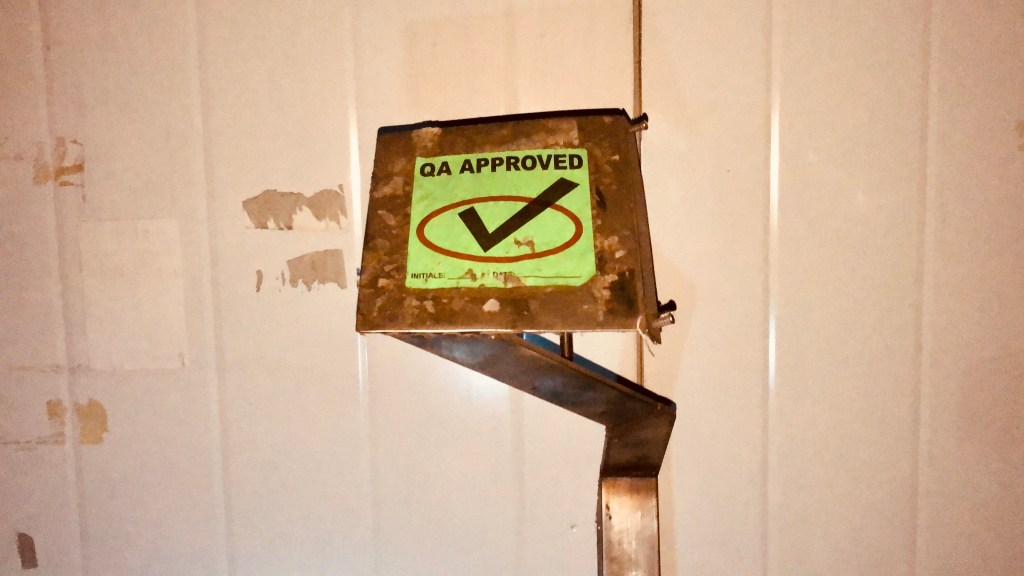
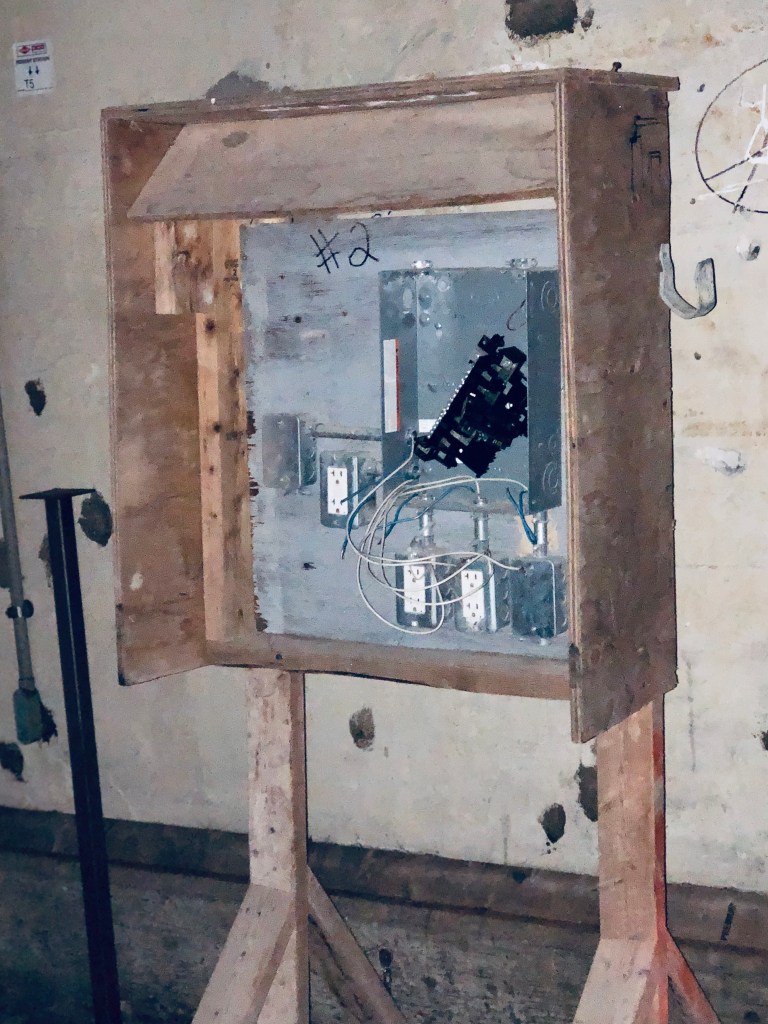
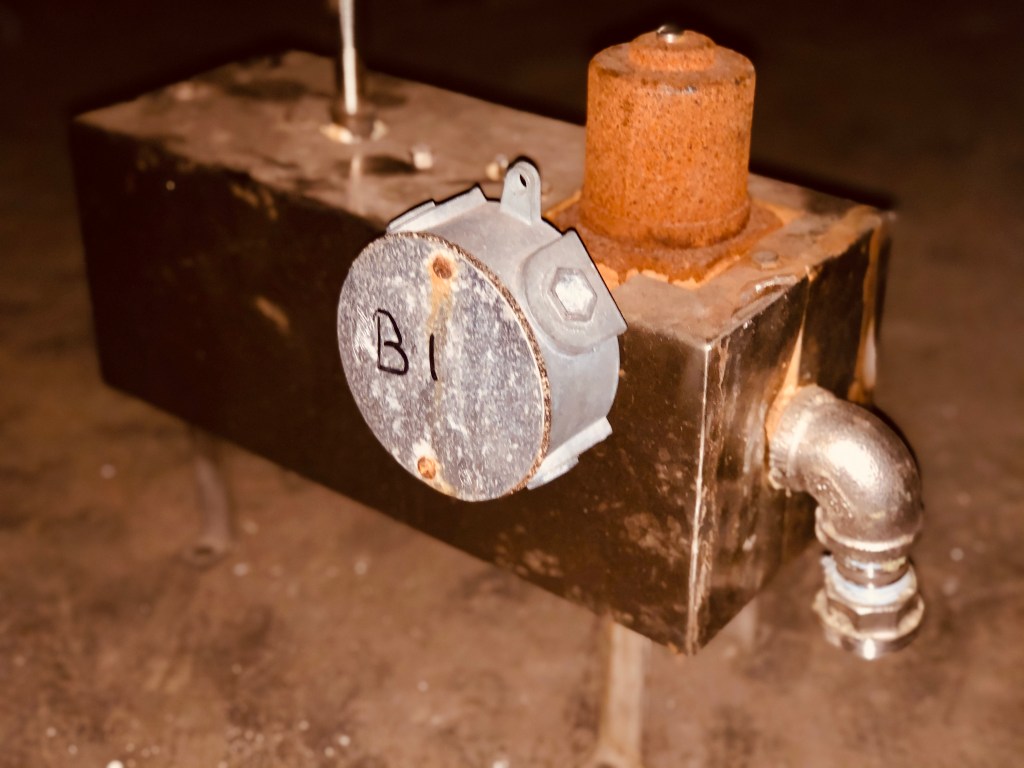
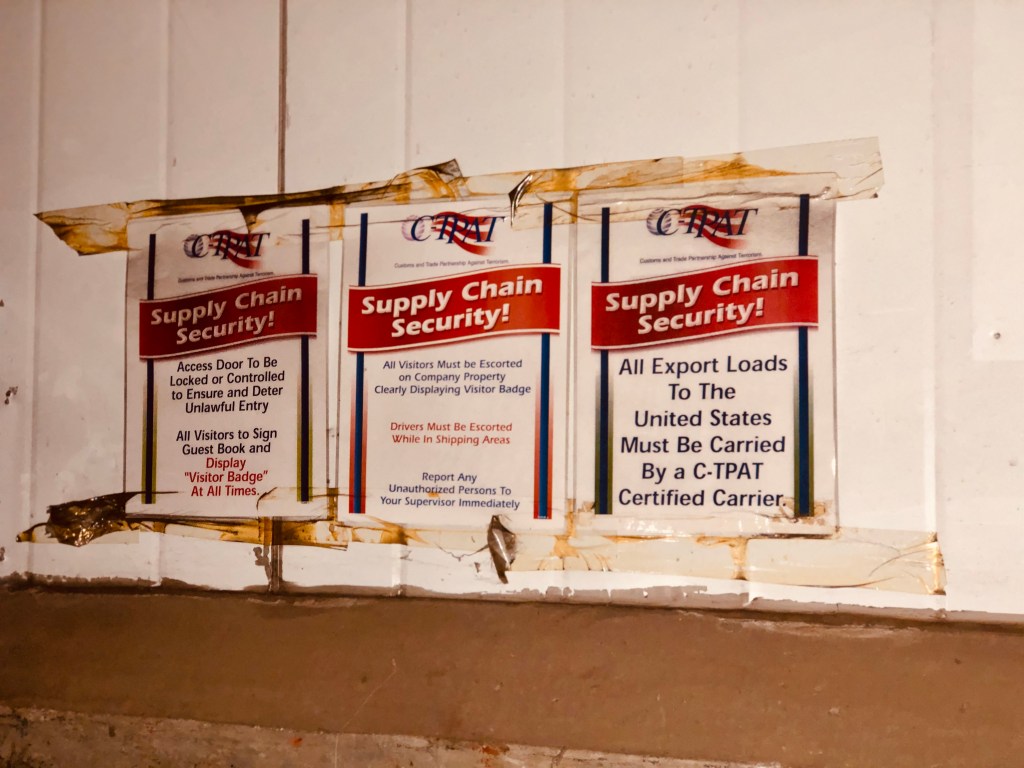
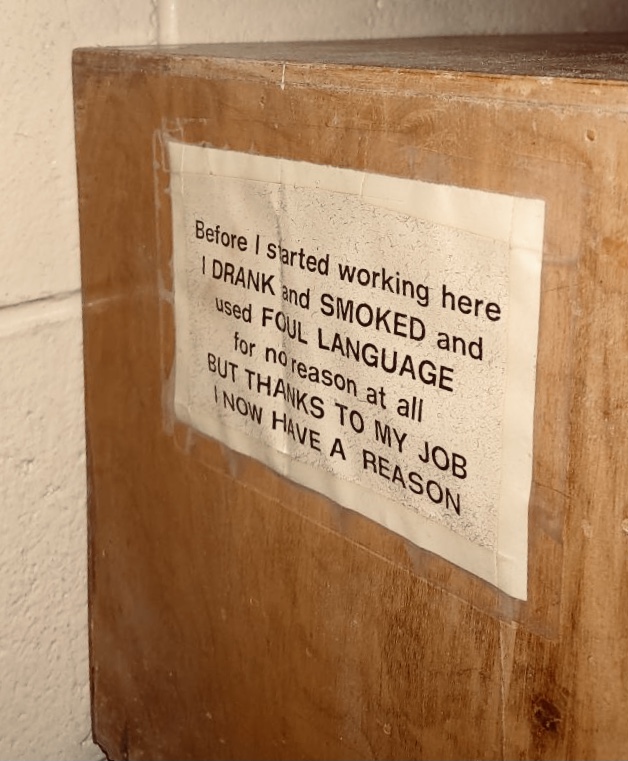
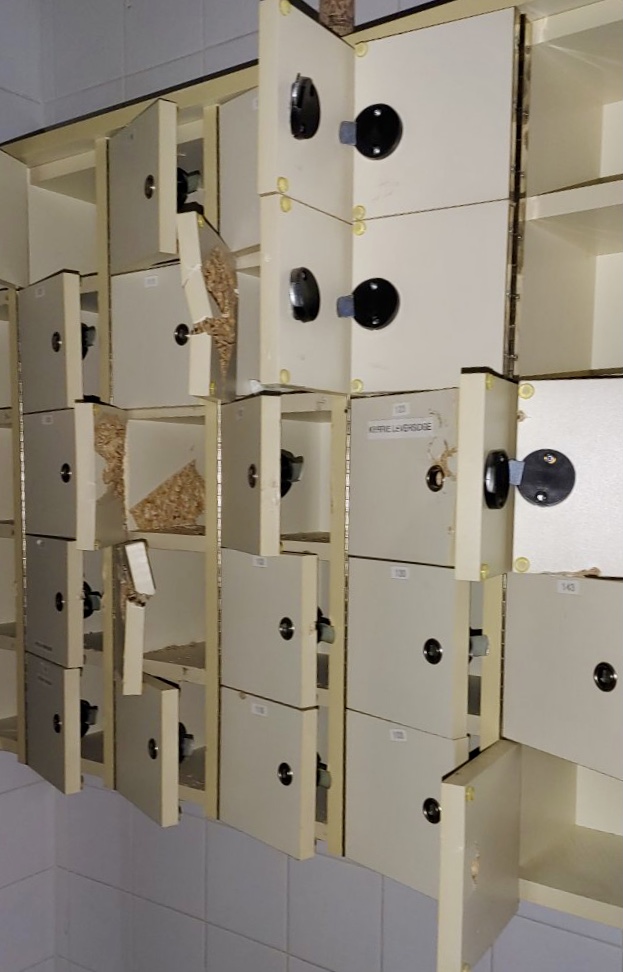
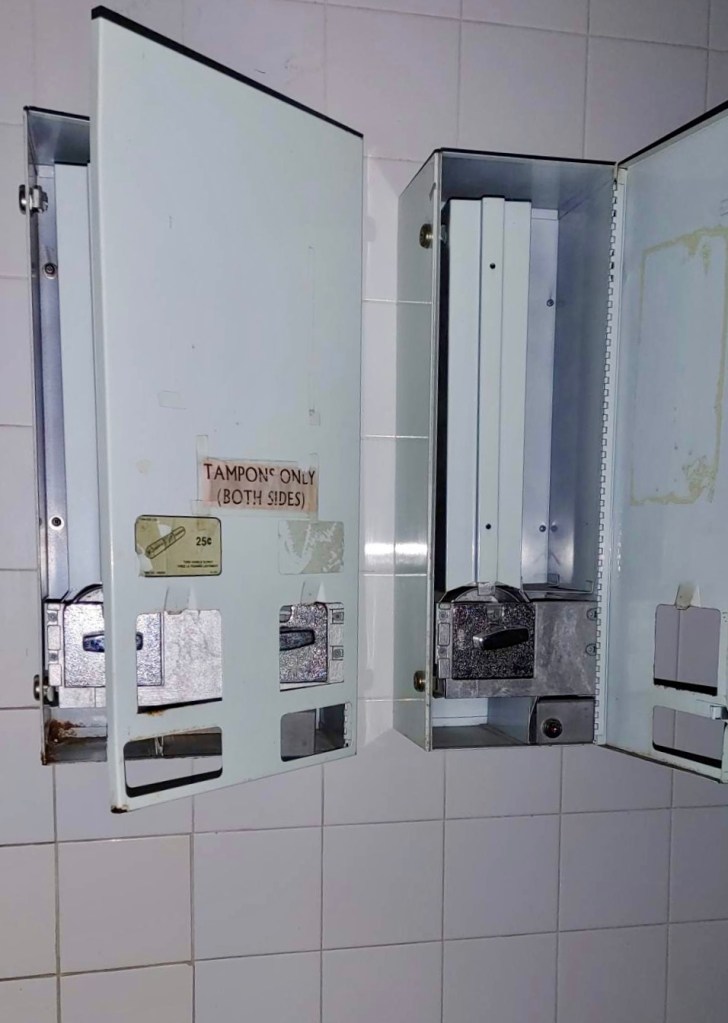
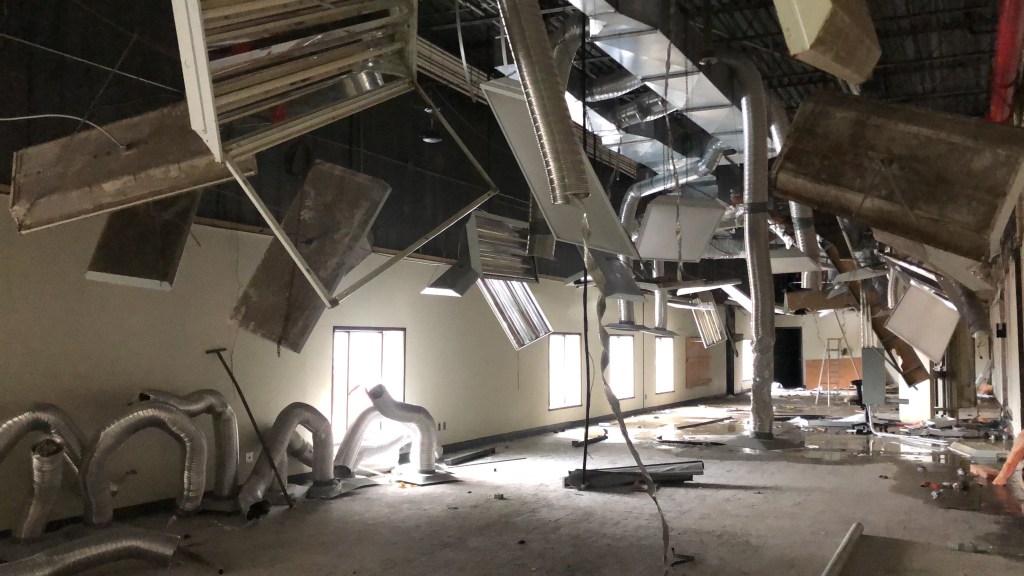
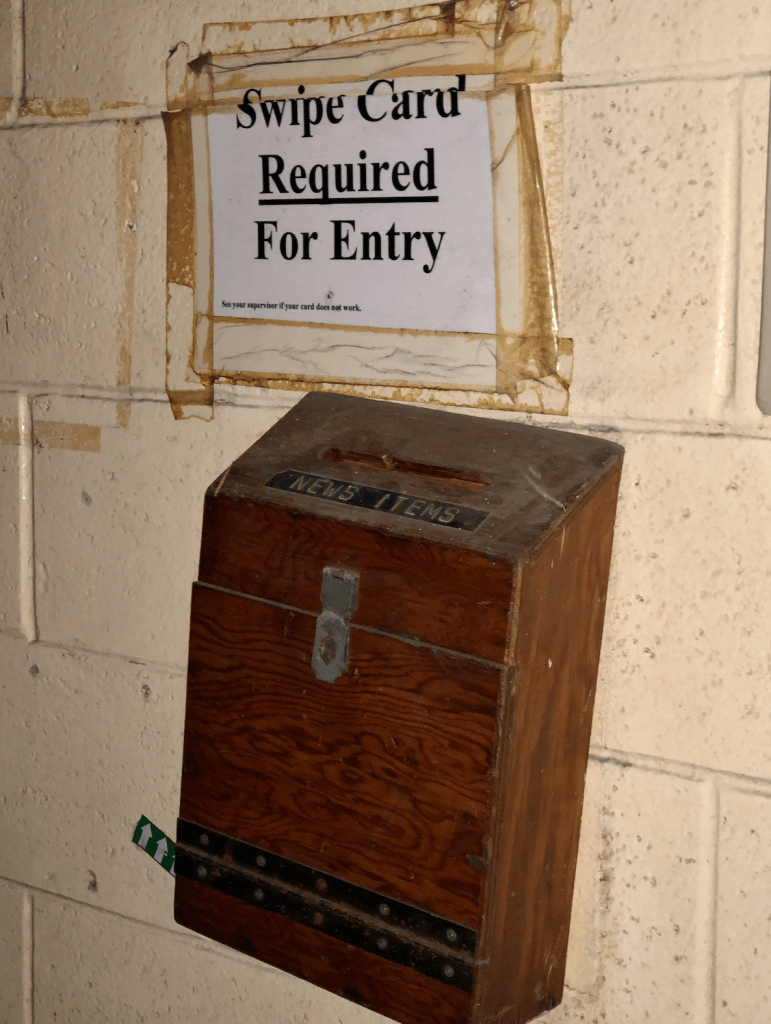
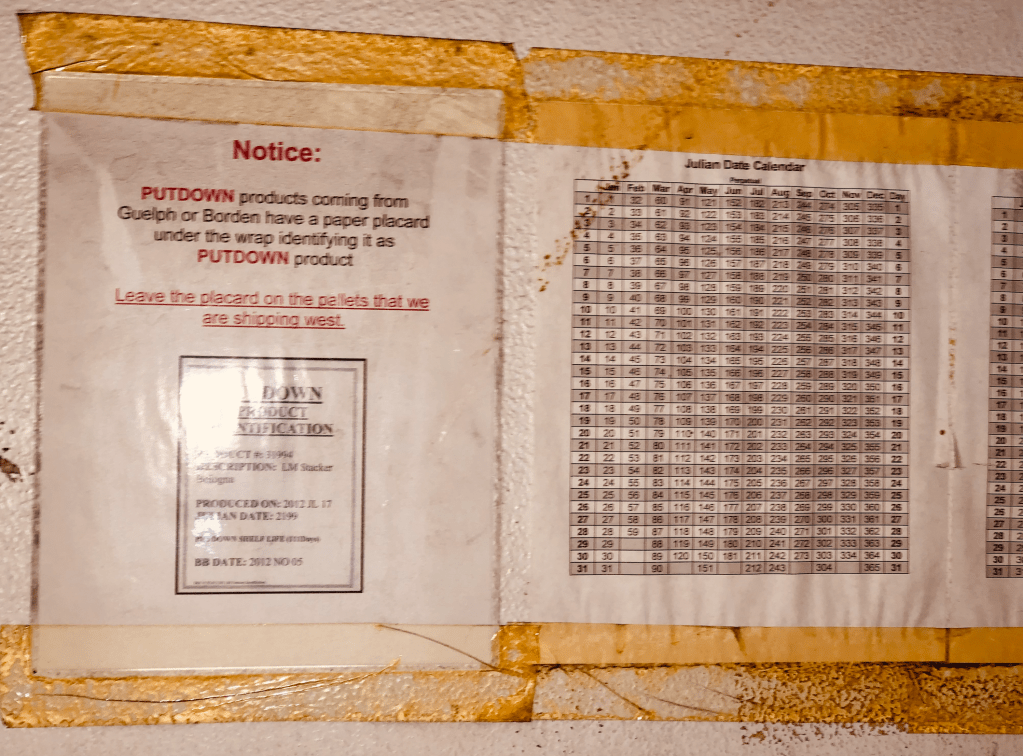
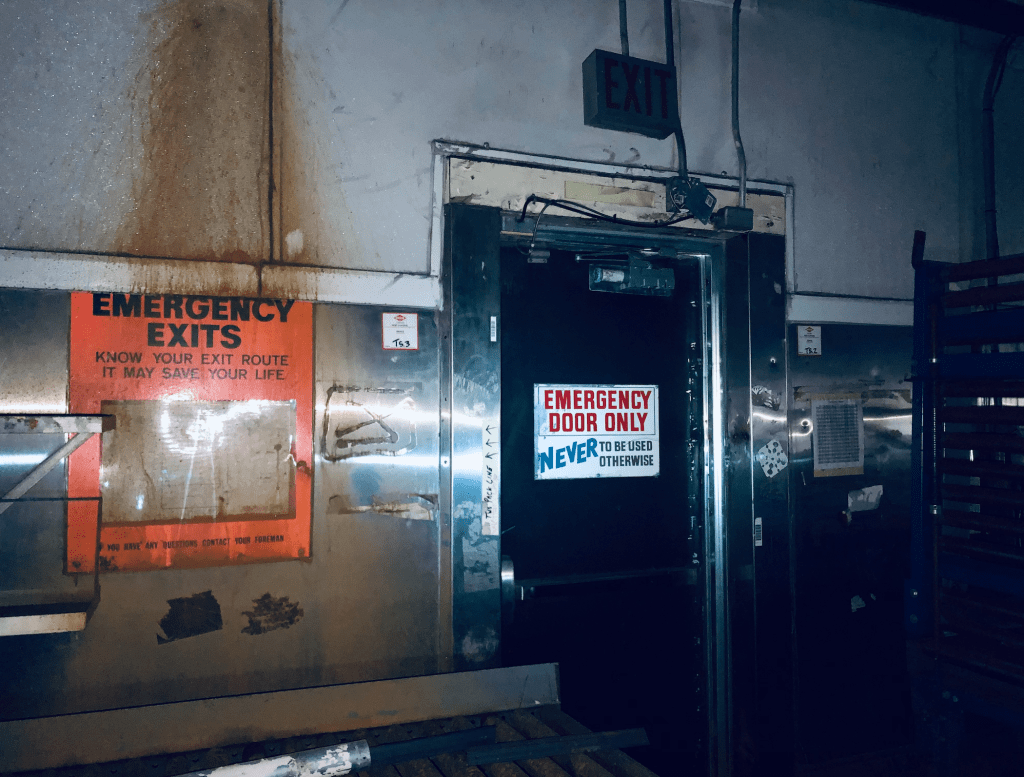
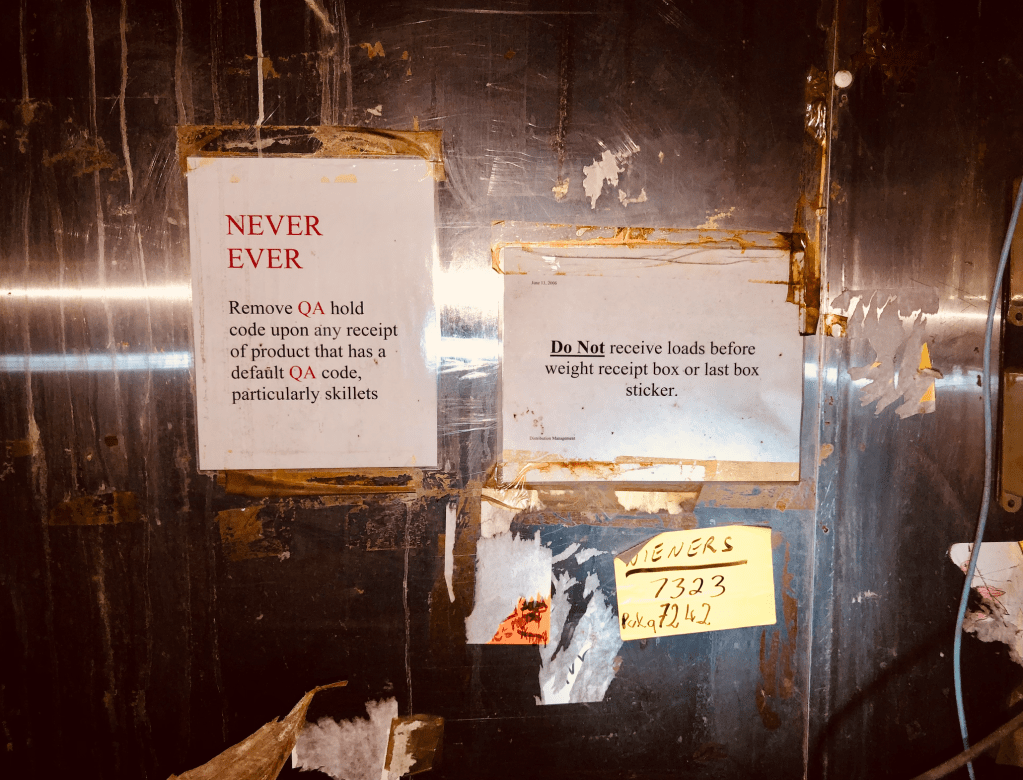
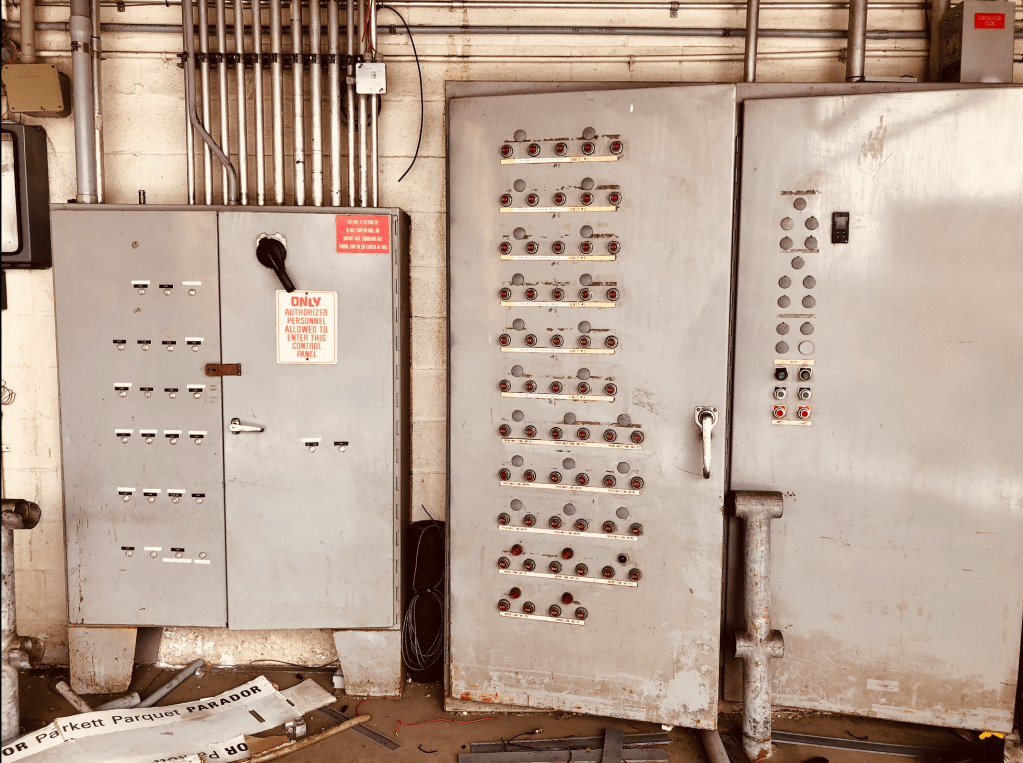
Walking through the abandoned site, the layers of history were tangible. Rusted machinery sat idle in cavernous halls, conveyor belts sagged under decades of dust, and faded signage hinted at the bustling energy that once filled the space. Graffiti had begun to claim the walls, contrasting sharply with peeling paint and old industrial signs. In the office areas, desks and filing cabinets remained like time capsules—yellowed papers and employee schedules scattered across the floors. The air smelled musty and metallic, a ghostly echo of the plant’s production days.
The landmark plant’s 125 years of history came to an end in February 2015, when the last pack of bologna rolled off the line. Employees in hard hats and blue coveralls crowded around, some teary-eyed, as the plant faded into history. Only the final 97 years were spent at the mammoth, oft-expanded facility. This came just 3.5 years after Maple Leaf Foods announced it was closing the aging factory, cutting 1,200 jobs. The plant had simply become too inefficient, too landlocked, and too old to modernize.
The property sat vacant for three years before Auburn Developments purchased it. They began a six-month decommissioning process, demolishing the wastewater treatment facility, the powerhouse, and most of the processing plant, leaving only the warehouse and office for potential mixed-use commercial and retail space. Finalized concepts for the site, now called The Metz, include a mix of housing forms and densities along with office and commercial spaces, parks, and green areas. Plans call for 2,800 homes across 11 buildings over the next decade. The Schneider legacy will live on in the names of some of the streets in the new development.
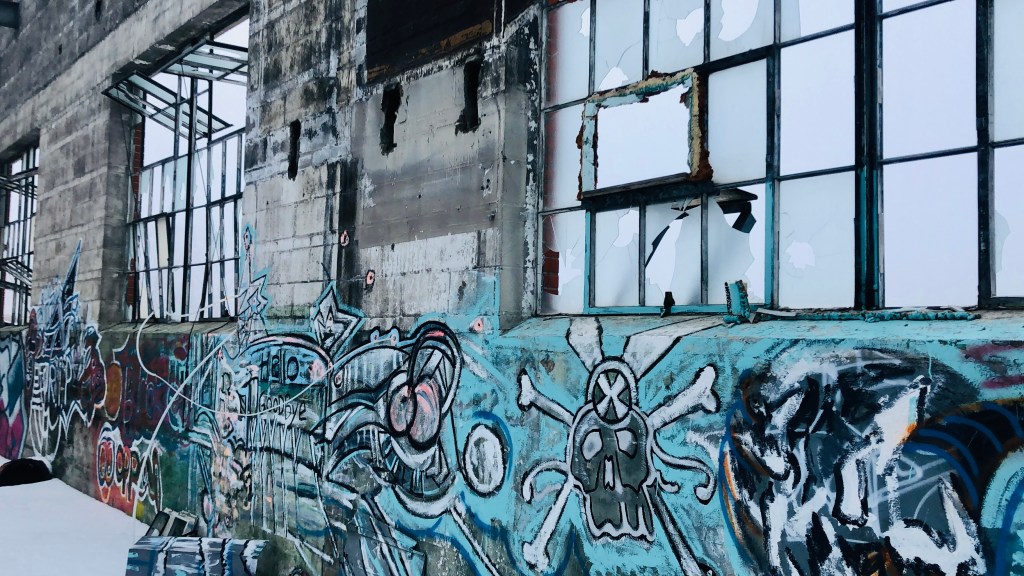
For me, this urbex was more than exploring an abandoned building—it was a walk down memory lane, a reminder of living near the hum of industry, the smell of BBQ drifting through the air, and witnessing a local landmark fade into history.
What are some of your fave spots to explore? Comment below!

 My Tiny World Corner
Leave a comment