On the coldest day recorded this year, my friend Thomas and I decided to stay local for our #urbex adventure and explore an abandoned factory in town. The building has been deserted for decades, and although I pass by it regularly, for some reason it never occurred to me to explore it—until 2 weekends ago. It was definitely worth it, even in sub-zero temperatures. I could have stayed longer than the 1.5 hours we were there, but honestly, my hands had completely lost feeling from the cold!
When I first arrived, I actually had no idea about the building’s history or purpose—Thomas knew, but I asked him not to share so I could explore with fresh eyes. It turns out we were inside the old Robson-Lang Leather Tannery—or at least an abandoned storage facility associated with it. The original tannery section appears to have been demolished long ago.
Here’s the history of the building and its context:
🧵 Historical Roots
• Origins of Robson Leather:
The tannery’s story actually stretches back to the late 1800s. James Robson bought the Bartlett Tannery in 1865, making it one of the earliest industries in Oshawa. After a fire destroyed the original mill, Robson relocated to the site your urbex explore likely traces back to—the Whiting Avenue location near Oshawa Creek.
• Early prominence:
By the early 1900s, Robson Leather was one of Canada’s foremost tanneries, producing popular patented leather such as Black Beauty used in shoe uppers. The plant employed hundreds of workers daily and contributed significantly to local industrial growth.
• War-time contributions:
During World War I and World War II, the tannery was vital to Canada’s military supply chain — at times producing up to 70% of leather for the Canadian Expeditionary Force boots and a large portion of WWII military leather goods.
• 1963 merger:
In 1963, Robson Leather (Oshawa) merged with James Lang Leather Co. Ltd. of Kitchener. That same year, Robson Leather purchased tanneries in London, Barrie, and Cobourg. Operating under the new name Robson-Lang Leathers Limited, it became part of Canada’s largest tanning company at the time.


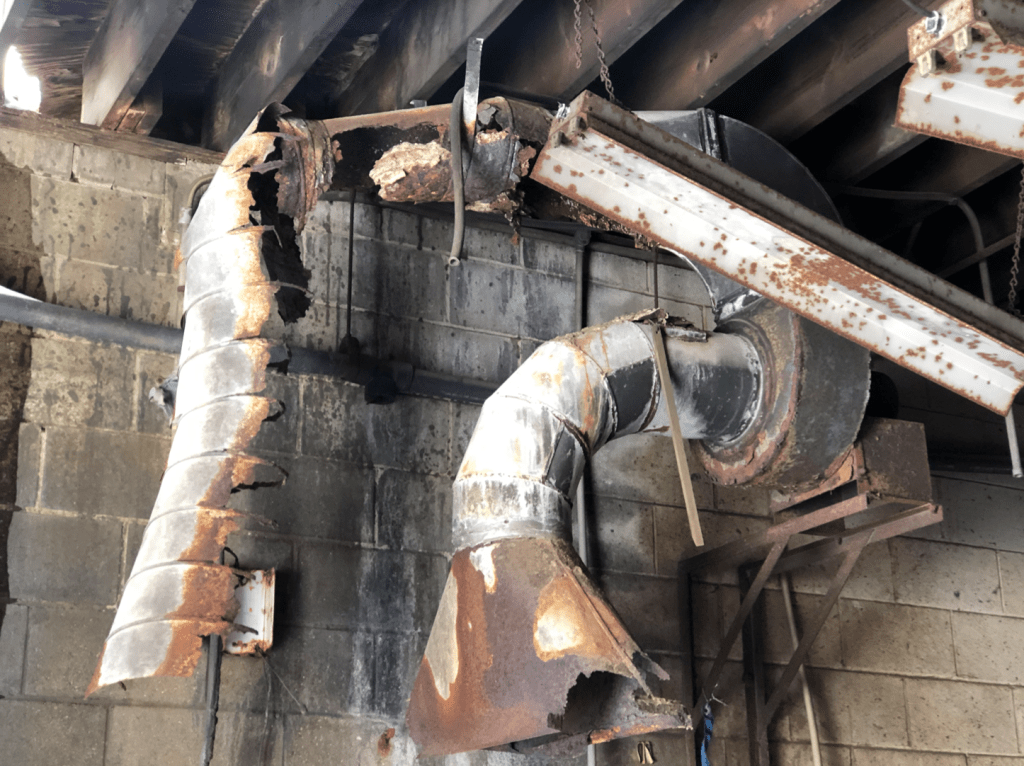


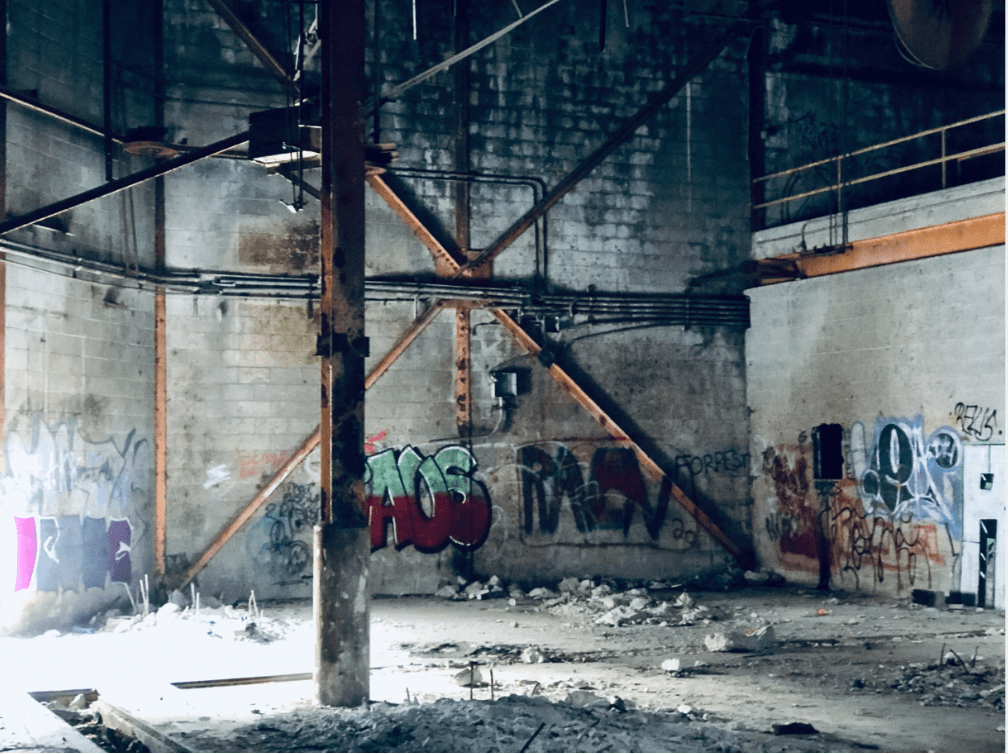
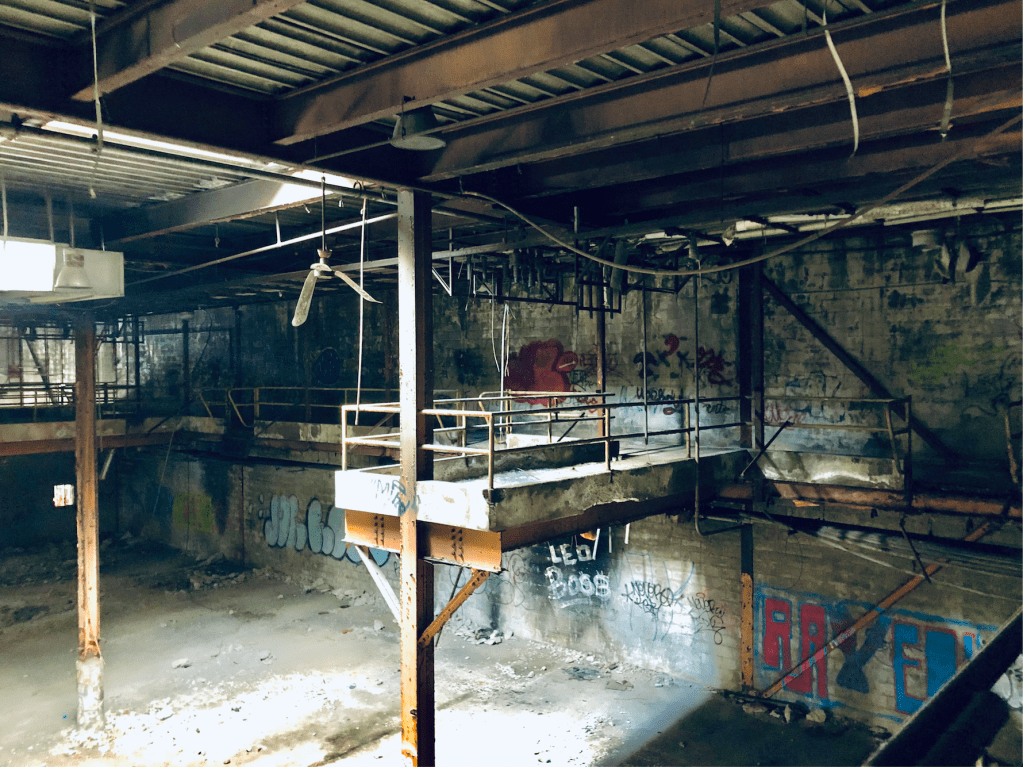


🧪 Industrial Process & Environmental Legacy
• Water and chemical use:
Historic tanneries like Robson-Lang relied on heavy chemical processing—including chromium and organic acids—to turn raw hides into durable leather. These chemicals were notoriously harmful to soil and waterways when disposal practices were lax.
• Environmental contamination footprint:
Investigations into former Robson tannery sites have shown residual soil contamination decades after closure, especially in creek floodplains. This gives the property an eerie, almost “toxic” feeling—a reminder of the industrial legacy left behind.
📉 Decline & Closure
• Long strikes and decline:
The Oshawa Robson plant didn’t just quietly shut—it was the result of years of labour strife and economic decline. In Oshawa, a prolonged strike in 1977 contributed to the closure of that plant long before the company’s final dissolution in 1986.
• Demolition and remaining structures:
After closure, major buildings were destroyed by fire by 1980 and later demolished. What remains today is only a fragment of the original industrial footprint—perfect for urbex explorers.
📰 Notable Events at the Kitchener Site
- Deaths Investigated: The Ontario Ministry of Labour investigated reports of deaths and illnesses linked to Robson-Lang plants in Barrie, Oshawa, Kitchener, and Cobourg. Reports included hazardous working conditions and the dumping of dangerous chemicals into city sewers and creeks. Dr Jim Stopps, chief of health studies services for the Ministry of Labour, noted that 44 reports of death and illness were under investigation.
- Fires at the Site: In 2016, a fire at the warehouse was believed to be caused by vandalism. Blake Moggy, assistant platoon chief with the Kitchener Fire Department, stated, “Somebody lit it on fire.” Click here for the link to that newspaper article.
- There was also a suspicious fire in 2013 involving a camper and a boat parked outside the building, though the exact cause was never determined.
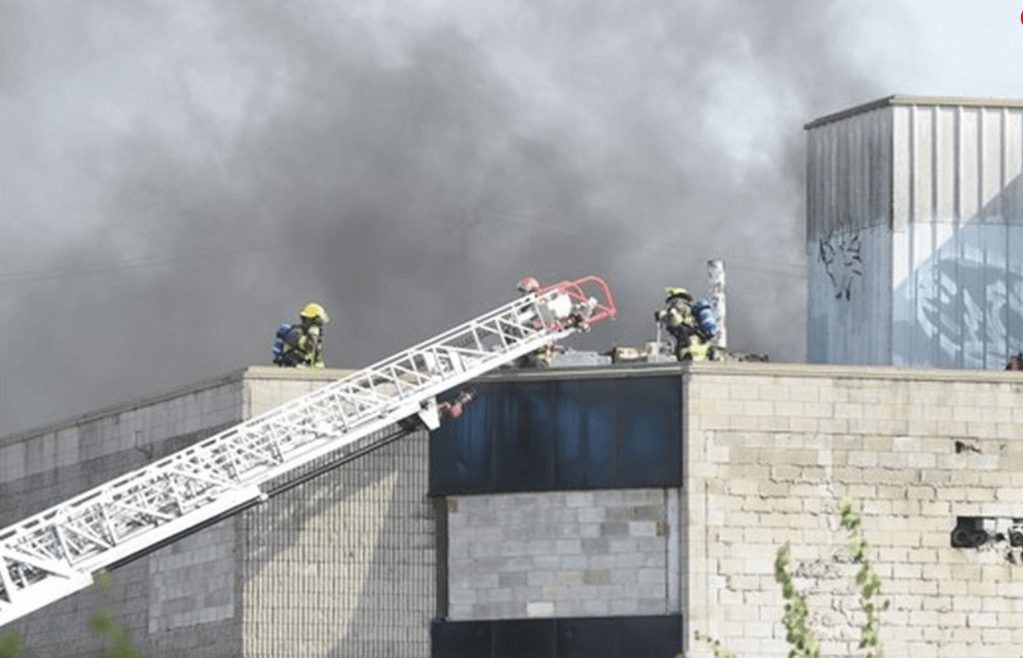
Wednesday, August 31, 2016
🏭 Why This Site Matters
Canadian tanning was once a major industrial contributor in multiple cities—Oshawa, London, Barrie, Kitchener, and Cobourg all had facilities at various times. By the late 20th century, environmental laws, global competition, and shrinking demand shuttered most large North American tanneries.
Did you know?
Tanneries historically used and discharged large volumes of chemicals including chromium, sulfides, and acids. Even after a plant closes, these contaminants can persist in soil and groundwater for decades.
Today, the Kitchener building still stands open and is surprisingly accessible. Despite this, I won’t be sharing its exact location—let’s just say it’s clearly been used and abused by others over the years. The site feels like a squat and play area for locals. In fact, there were other people on the property while we were there. I had no idea why—and wasn’t about to ask (lol).
All in all, this was a super cool exploration—I loved every minute of it. Next up, I’m hoping to explore a large, well-known factory that closed its doors only a few years ago. Stay tuned!


 My Tiny World Corner
Leave a comment