A while ago, I posted a blog called On Health: My 30-Day Trial of the Whole Food Plant-Based Diet. I’ve long since completed my trial, and I promised you all an update … so here it is.
So, here are a few of my takeaways from that trial …
Here are a few of my takeaways from that trial:
1. Food tastes different – but in a good way.
Because I eliminated processed foods—which are usually loaded with sodium—and oils, I found food a lot more bland. The pro is that I’m learning to cook with a lot more spices and use fresh herbs. I love basil and cilantro!
2. Being social can be challenging.
Food is a huge part of our society, culture, and the way we bond. Although there’s a growing population of vegans and people who follow WFPB lifestyles, the food industry is a bit slow in catching up. For the time being, it’s hard to go out to dinner and stick to basic salads—it gets boring after a while. And let’s be honest, most of your friends aren’t willing to compromise and go to that type of restaurant. I literally had a friend say, “If I’m gonna spend money to go out and eat, I’m gonna eat meat!” … well, ok then!
There were some options at most restaurants. One had baked Brussels sprouts as an appetizer; Les Enfants Terribles in Montréal had a grilled cauliflower—but it came with squid ink, so I just ate the parts that weren’t covered (I’m not particularly fond of squid ink, by the way). I usually gravitated toward a salad or quinoa dish—less the cheese, which was hard because I LOVE cheese!

Restaurants that focused on this type of eating were my favorites: Rawlicious and Pure Juice Bar + Kitchen. For quick eats, I usually grabbed a naked burrito from Fat Bastard, rice paper rolls from my favorite Viet/Thai place, or some kind of bowl from Freshii. And yes, I did eat at home as well—but being an empty nester, it’s NOT enjoyable cooking for ONE ☹️.
Even A&W is hopping on the bandwagon—they landed the popular vegan Beyond Burger at nearly 1,000 Canadian locations on July 9th. I haven’t tried it yet—if anyone has, can you comment below on how you liked it?
Did you know that plant-based alternatives like the Beyond Burger have similar protein content to beef but much less saturated fat?
3. Sometimes, you really do need meat.
At the time I was on the WFPB trial, I was severely anemic and taking iron supplements, but I didn’t seem to be getting enough iron from plants, legumes, and beans. My naturopath asked me to reintroduce beef into my diet for the iron, so I went on to eat two Swedish meatballs per day.
Iron is available in plants too—think lentils, chickpeas, tofu, spinach, and pumpkin seeds. Pairing iron-rich foods with vitamin C (like citrus or bell peppers) helps your body absorb it better. I learned this the hard way!
4. Planning is key.
To be successful, you need to make time to meal prep your lunches and dinners. Most of my breakfasts consist of either:
- Ezekiel 4:9 bread with homemade almond butter, banana, crushed mixed nuts, hemp seeds, and a bit of agave nectar
- Homemade carrot cake oatmeal bowl
Instead of letting myself get overwhelmed by all the restrictions, I kept it simple by continuing to make the things I liked that were already WFPB—or modifying them so they could fit the diet.
5. Hydration matters.
I drank a lot more water than I ever did—working up to 72 oz per day. I still drink this amount daily.
Some people think plant-based diet, whole foods diet is extreme. Half a million people a year will have their chests opened up and a vein taken from their leg and sewn onto their coronary artery. Some people would call that extreme.
~ Caldwell Esselstyn
Health Benefits of WFPB Eating
Following a whole food, plant-based diet is linked to some incredible health benefits:
- Lower risk of heart disease, type 2 diabetes, and certain cancers
- Reduced cholesterol and blood pressure naturally
- Supports weight management without calorie counting
- Improved gut health thanks to high fiber intake
Some people think a plant-based, whole foods diet is extreme. Half a million people a year will have their chests opened and a vein taken from their leg and sewn onto their coronary artery. Some people would call that extreme. I call a WFPB diet preventive medicine.
Environmental Benefits
Eating more plants isn’t just good for me—it’s better for the planet too:
- Producing 1 kg of beef requires ~15,000 liters of water, compared with ~1,600 liters for lentils.
- Reducing meat consumption can cut your food-related carbon footprint by up to 50%.
- Plant-based diets are linked to lower deforestation and water use.
My Fave Cook Books …
I had a few staple cookbooks that I turned to again and again:
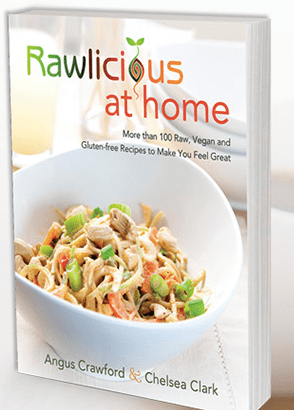
- Rawlicious
- Forks Over Knives (Spring Edition)
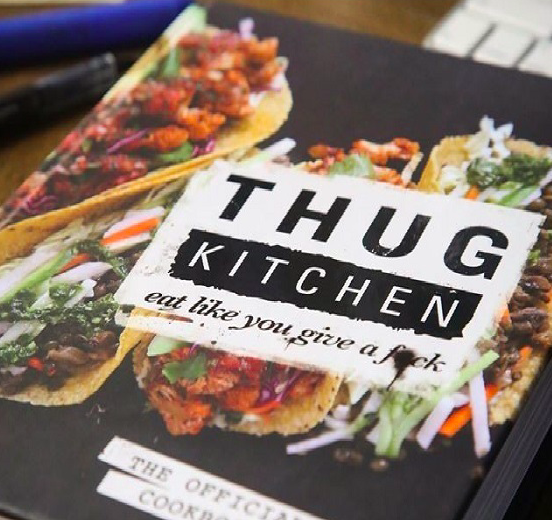
- Thug Kitchen: The Official Cookbook: Eat Like You Give a Fck* (actually quite entertaining!)

Conclusion
I haven’t stuck to the WFPB diet 100%, but I do eat way less meat than I used to, which is a step in the right direction.
I’ve also cut other things out of my diet completely and started making a lot of foods fresh at home with my Vitamix—a blessing, yes, worth the price of a small car! I make my own almond butter, fresh strawberry jam, and hummus, to name a few. I gave up dairy milk and switched to coconut or almond milk, and I don’t buy wheat bread—I eat sprouted grain bread.
Plant-based eating is gaining traction too—about 12% of Canadians now identify as vegetarian or vegan, and plant-based product sales are growing 20–30% per year. So, it’s not just me—more people are moving toward this way of eating every year.
So, despite not being 100% WFPB, participating in this trial helped me make much better changes to my diet and kickstarted my eating habits back to the way they once were. I would consider that a SUCCESS!





 My Tiny World Corner
Leave a comment